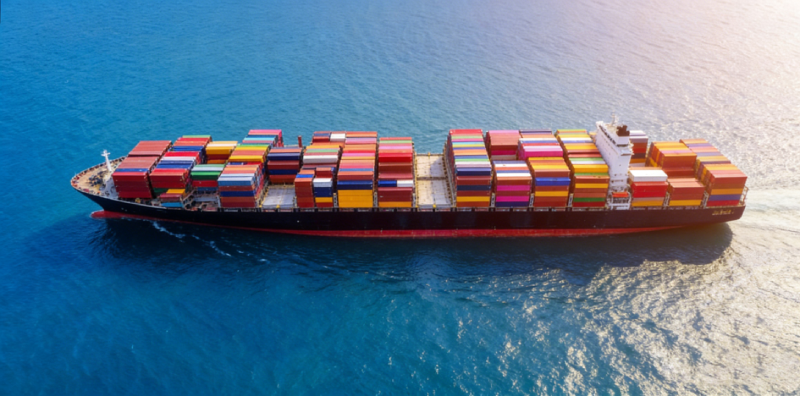
Poor container loading can damage paper packaging during long shipping journeys. Crushed cartons, unstable stacking, and improper packing methods are common risks during sea freight.
Proper container loading protects disposable paper cups, food boxes, and paper bags from damage during global transport.
For buyers importing packaging products, understanding the container loading process helps reduce unexpected losses, logistics delays, and product quality problems after arrival.
In this article, I will explain how we handle container loading in our factory when exporting disposable paper packaging products.
Why Container Loading Matters for Paper Packaging
I have worked in the disposable paper packaging industry for many years. One thing I often tell buyers is that product quality alone is not enough. How products are packed and loaded also matters.
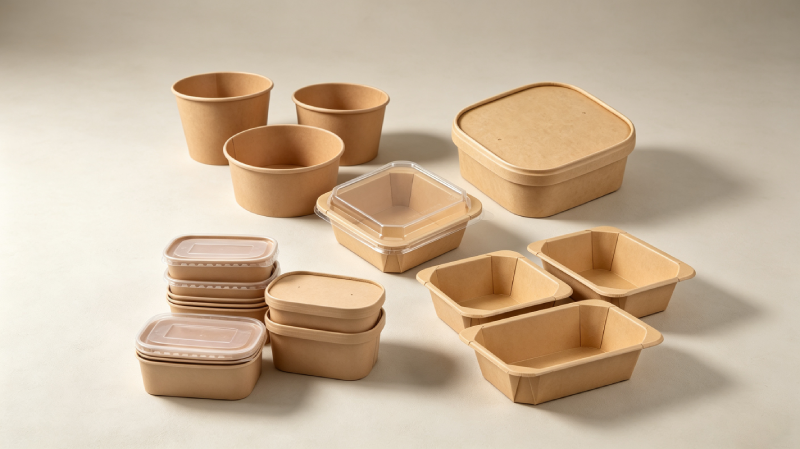
Paper cups, takeaway boxes, paper bowls, and paper bags are lightweight products. However, they are sensitive to stacking pressure and transportation movement.
International sea shipments often travel for 20 to 45 days. During this period, containers experience vibration, pressure changes, and long periods of stacking.
According to the International Maritime Organization (IMO), improper cargo loading is one of the major causes of freight damage in global shipping.
Because of this, we treat container loading as an important part of the overall delivery process.
Step 1: Pre‑Shipment Inspection and Quality Check
Before loading any container, our team carefully inspects the finished products.
We focus on several important points:
Carton strength
Product compression resistance
Packaging condition
Correct labeling and shipping marks
For disposable packaging products, carton strength is especially important. The cartons must be able to withstand stacking pressure during long-distance shipping.
Only cartons that pass our internal inspection are approved for loading.
Step 2: Carton Packing and Compression Protection
Carton packing is another critical step before container loading.
Inside each carton, products must be arranged carefully to prevent movement during transportation.
For example, when we pack disposable paper cups, we follow several basic principles:
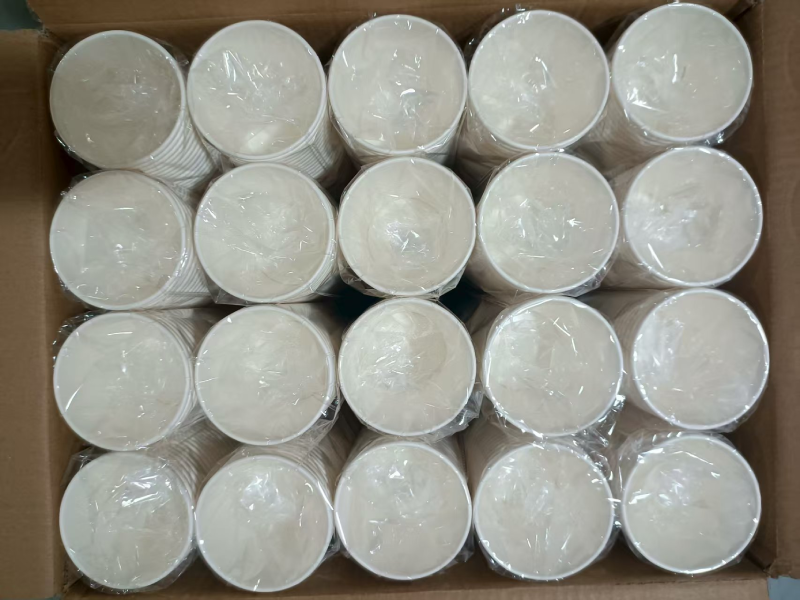
Cups are stacked tightly to maintain structural stability.
Inner plastic bags are used to protect the products.
Cartons are sealed with reinforced packaging tape.
We also control the weight of each carton.
If a carton is too heavy, the lower cartons may collapse during stacking. If it is too light, cartons may shift during transportation.
The goal is simple: create strong cartons that maintain their shape throughout the entire shipping journey.
Step 3: Palletizing and Load Stability
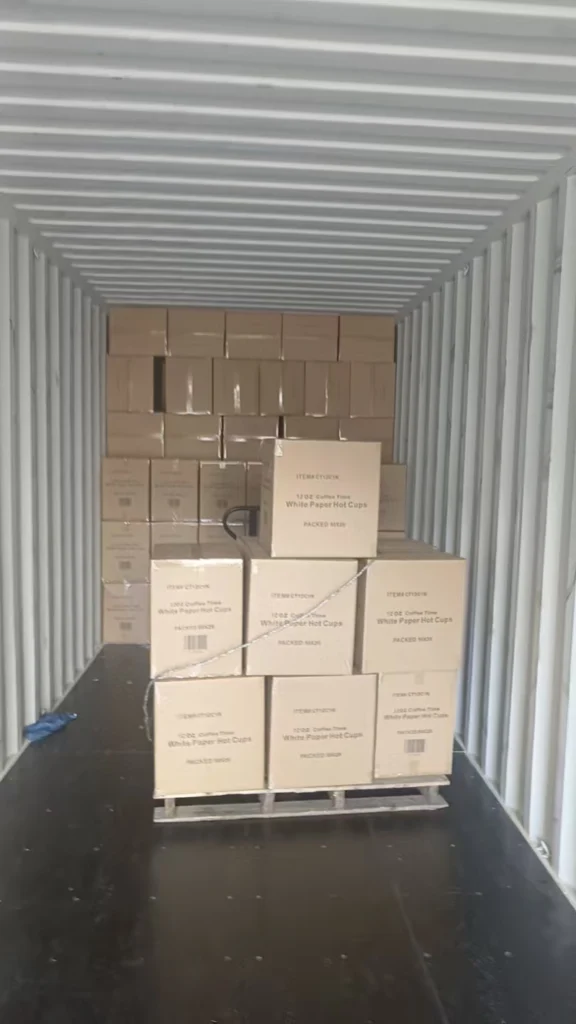
For many shipments, cartons are first placed on pallets before loading into containers.
Palletizing provides several advantages.
It makes loading and unloading easier.
It improves stacking stability.
It reduces the risk of carton damage during transportation.
Each pallet is wrapped with stretch film to secure the cartons in place.
A cross‑stack stacking pattern is commonly used to strengthen the pallet structure and prevent tipping.
Some buyers choose floor loading instead of pallet loading in order to maximize container capacity. In those situations, the stacking structure must be carefully planned to maintain stability.
Step 4: Container Space Planning and Loading Strategy
Container loading should always follow a clear plan.
Before shipment, our logistics team calculates how cartons will be arranged inside the container.
Important factors include carton size, container type, weight distribution, and safe stacking height.
By planning the loading layout in advance, we can improve space utilization while maintaining safe stacking.
For importers, efficient container loading can reduce freight costs and improve supply chain efficiency.
Step 5: Final Inspection and Container Sealing
After the container is fully loaded, a final inspection is conducted.
Our team checks the stability of the cartons, confirms that stacking is secure, and verifies that the container interior is clean.
We also take loading photos as records for customers.
After the inspection, the container doors are closed and sealed with a numbered security seal.
This seal number is recorded on the shipping documents so the buyer can verify that the container has not been opened during transport.
This final step helps ensure shipment safety during international transportation.
Common Mistakes in Paper Packaging Container Loading
These include over‑stacking cartons beyond safe limits, using cartons with insufficient compression strength, uneven weight distribution inside the container, and poor stacking patterns.
Even small mistakes during loading can lead to product damage by the time the shipment arrives at the destination port.
This is why experienced suppliers treat container loading as a professional logistics procedure instead of a routine task.
Conclusion
Container loading is an important part of exporting disposable paper packaging.
From carton inspection to stable stacking and container sealing, every step helps ensure that products arrive safely after long international shipments.
Looking for a Reliable Paper Food Packaging Manufacturer?
We manufacture high-quality disposable paper cup and food packaging, including paper cups, paper bowls, takeaway boxes, food containers, and paper bags.As a factory with a full production line, we support wholesale custom printing for bulk paper packaging orders.
→ Explore Our Custom Paper Packaging Solutions
→ Contact Us for Samples, Specifications & OEM Support
Let our team help you choose the right paper packaging solution for your product, market, and logistics requirements.