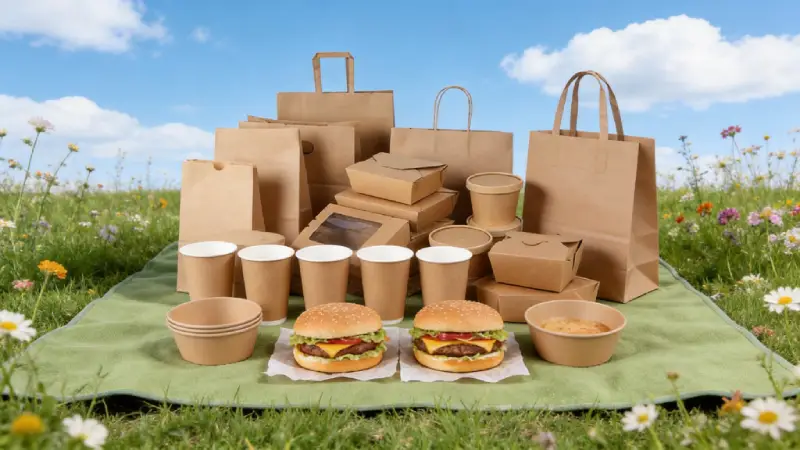
If you look at how food is actually packed and delivered today, the choice of packaging is no longer just about holding food.
It has to deal with heat, oil, moisture, handling, and customer perception—all at the same time.
That’s where paper packaging starts to make more sense.
Not because it’s “trendy,” but because in many real use cases, it simply performs better when designed correctly.
What Are the Real Benefits of Paper Food Packaging?
Paper food packaging offers practical advantages in real operations, including better sustainability, reliable food safety, strong branding flexibility, and adaptability across different food types such as hot meals, drinks, and takeaway items. Compared to plastic, it is easier to recycle, more accepted by regulations, and often improves the overall customer experience when properly designed.
According to the U.S. Environmental Protection Agency, paper and paperboard are among the most widely recycled materials.
It Fits Real Food Conditions Better
Different foods create different challenges.
Hot drinks need insulation.
Oily food needs grease resistance.
Soup needs leak protection.
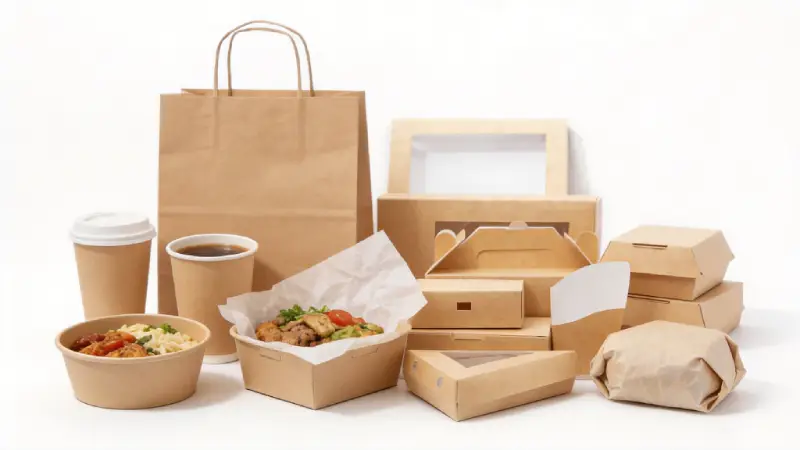
Paper packaging is flexible enough to adapt to all of these.
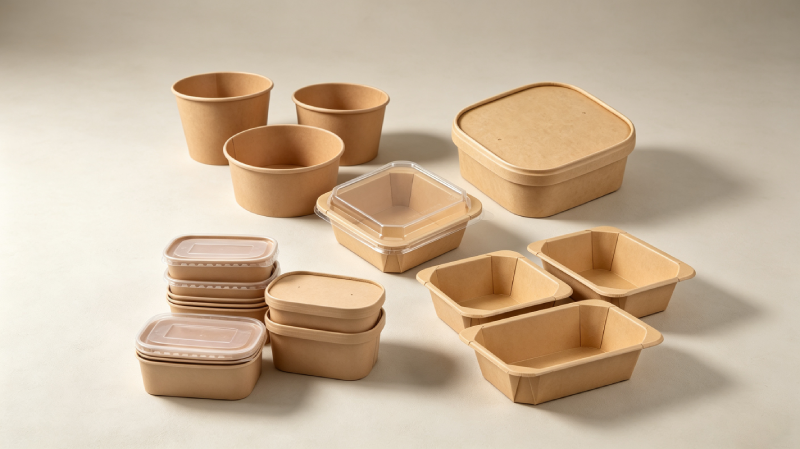
- double wall cups for heat insulation
- coated paper bowls for liquids
- structured takeaway boxes for solid meals
- greaseproof paper for wrapping
Instead of forcing one solution to do everything, paper allows each product to be designed for its actual use.
It Solves the “Oil and Leakage” Problem More Effectively
One of the most common complaints in takeaway packaging is simple:
oil leakage.
Paper packaging addresses this through structure and material combination.
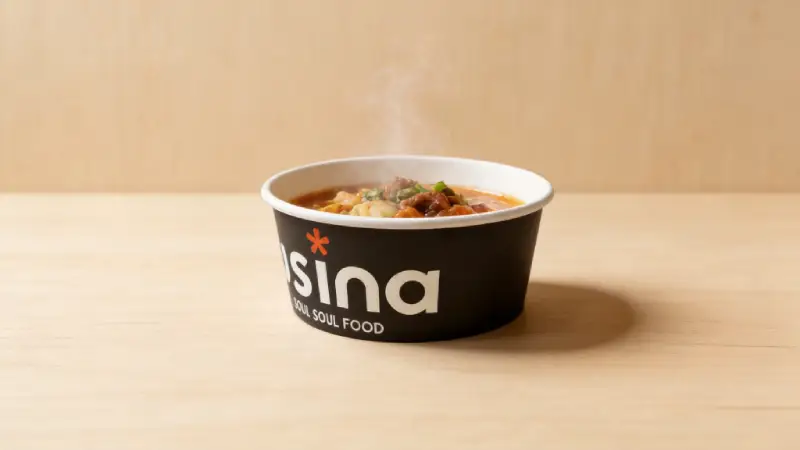
- greaseproof paper blocks oil transfer
- coated paper containers prevent leakage
- thicker board improves durability
From our experience, when these elements are matched correctly, complaints drop significantly.
It Aligns Better with Global Regulations
Plastic restrictions are no longer limited to a few regions.
Policies are expanding globally.
For example, the EU has introduced measures to reduce single-use plastic waste.
Paper packaging is not just an alternative—it is often the more compliant option.
For importers, this reduces risk in the long term.
It Improves Brand Perception Without Extra Cost
Customers don’t always talk about packaging—but they notice it.
A well-designed paper package feels:
- cleaner
- more natural
- more premium
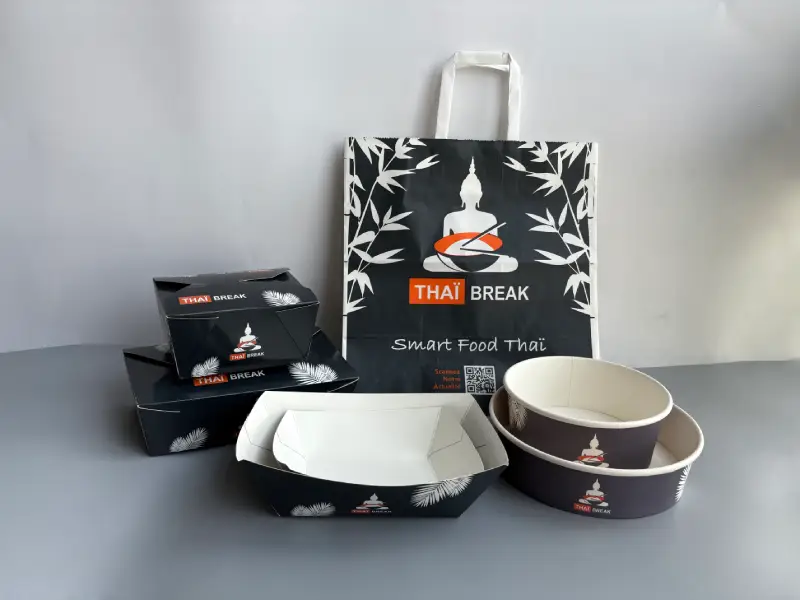
Paper is also easier to print on.
This allows:
- logos
- patterns
- brand colors
Without adding complex processes.
In many cases, packaging itself becomes part of the brand experience.
It Works as a Complete Packaging System
This is something many buyers only realize after working with multiple products.
Paper packaging is not one item—it’s a combination:
- cups for drinks
- bowls for hot meals
- boxes for solid food
- greaseproof paper for wrapping
- bags for carrying
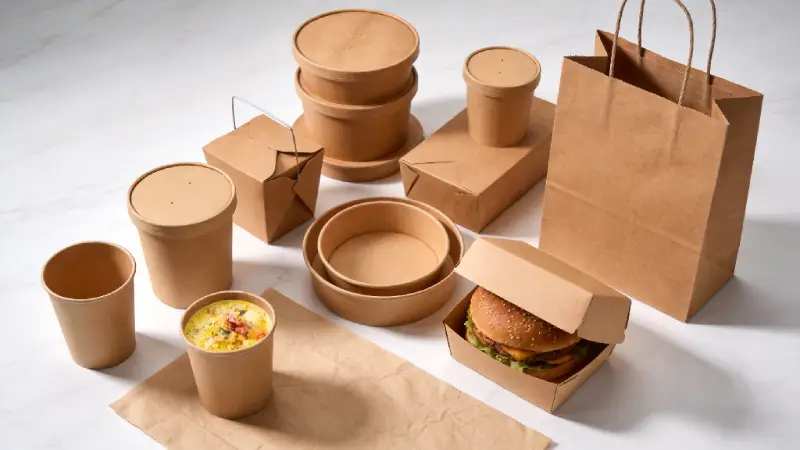
When all components are aligned, the entire system works smoothly.
When one part is mismatched, problems appear quickly.
It Balances Cost and Performance in Bulk Orders
There is a common assumption that paper packaging is more expensive.
In reality, it depends on how it’s used.
In bulk production:
- material can be optimized
- structure can reduce waste
- customization can be controlled
More importantly, better packaging reduces:
- returns
- complaints
- product damage
Which directly affects overall cost.
Conclusion
Paper packaging works best when it is matched to real food conditions.
It’s not just an alternative to plastic—it’s a more practical solution in many everyday applications.
Looking for a Reliable Paper Food Packaging Manufacturer?
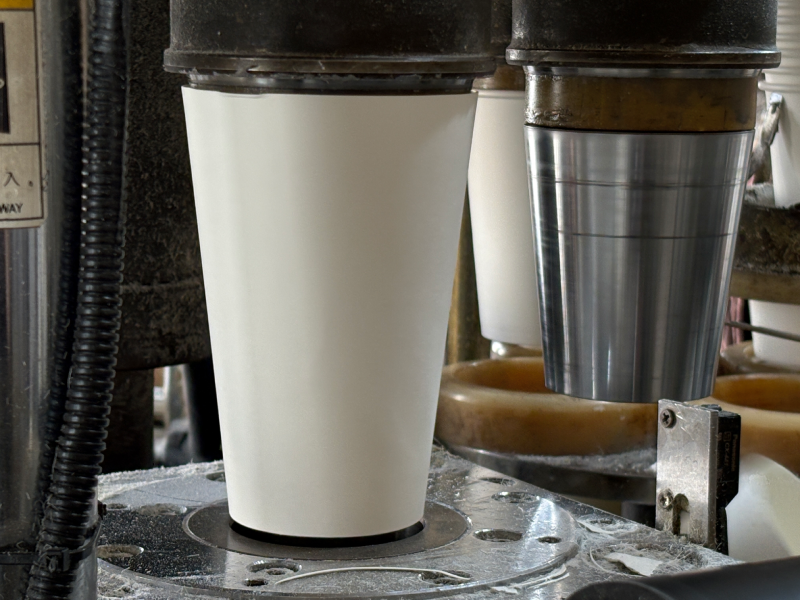
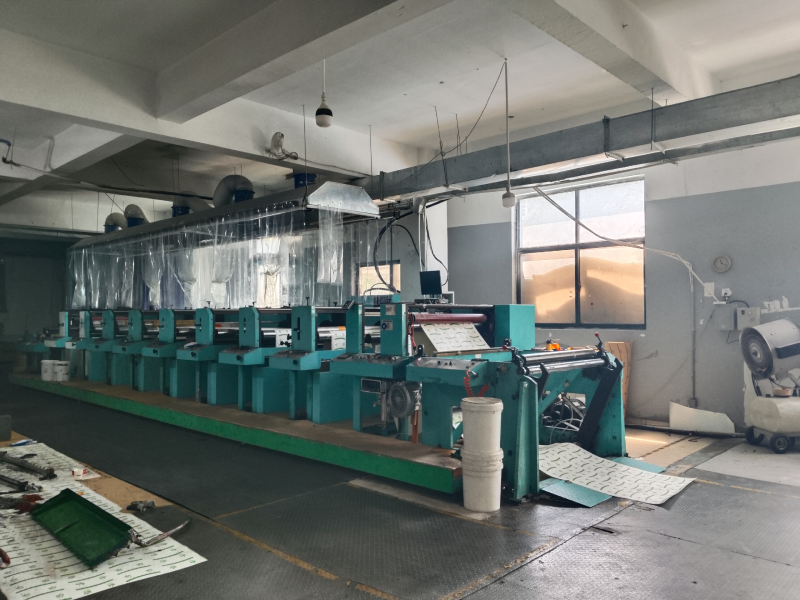
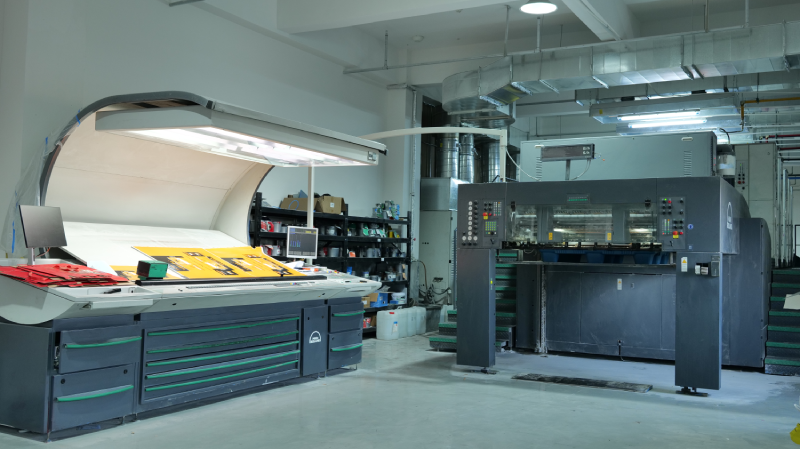
We manufacture high-quality disposable paper cup and food packaging, including paper cups, paper bowls, takeaway boxes, food containers, and paper bags.As a factory with a full production line, we support wholesale custom printing for bulk paper packaging orders.
→ Explore Our Custom Paper Packaging Solutions
→ Contact Us for Samples, Specifications & OEM Support
Let our team help you choose the right paper packaging solution for your product, market, and logistics requirements.