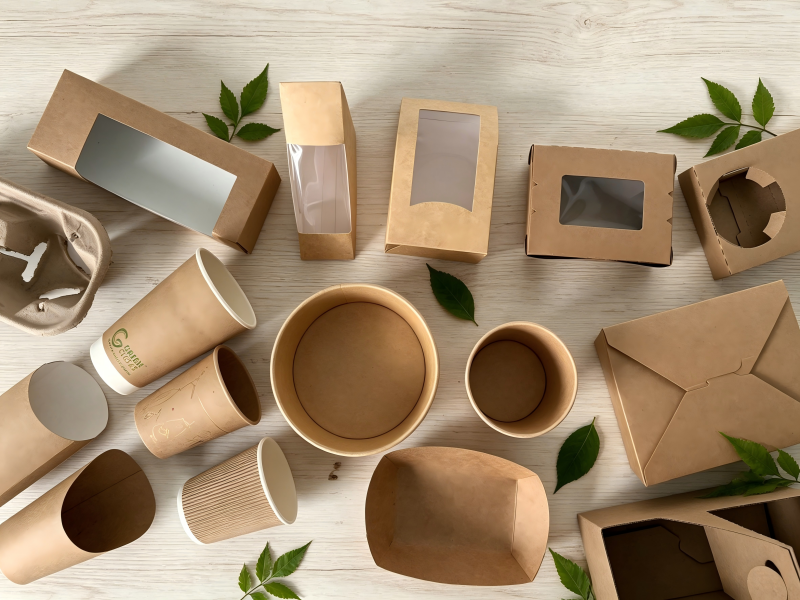
Food businesses use a wide range of paper packaging products every day, from coffee cups and soup bowls to takeaway boxes and paper bags. While these products serve different purposes, they are often purchased as part of a complete packaging system rather than as individual items.
A coffee shop may require paper cups, cup sleeves, cup carriers, and paper bags. A fast-food restaurant may need burger boxes, french fry containers, takeaway boxes, and delivery bags. As food delivery and takeaway services continue to grow worldwide, businesses are increasingly looking for suppliers that can provide multiple paper food packaging products under one roof.
This guide explains the main types of paper food packaging, common materials, customization options, and key factors buyers should consider when selecting a paper food packaging manufacturer.
Paper Food Packaging Products Used by Food Businesses
Paper food packaging covers a broad range of products designed for beverages, hot meals, cold foods, takeaway orders, and food delivery.
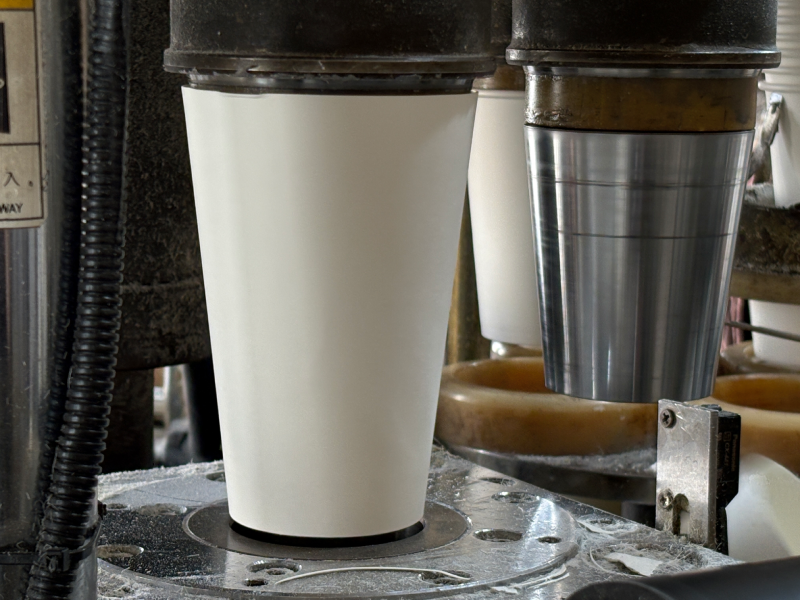
Paper Cups
Paper cups remain one of the most widely used food packaging products worldwide.
Common options include:
- Single wall paper cups
- Double wall paper cups
- Ripple wall paper cups
- Cold drink cups
- Ice cream cups
Different cup structures are designed for different applications. For example, double wall and ripple wall paper cups provide additional insulation for hot beverages, while cold drink cups are designed to handle condensation from iced drinks.
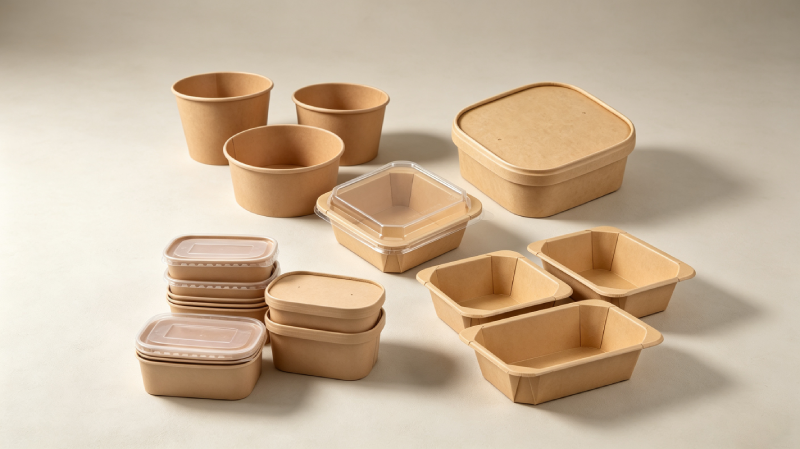
Paper Bowls and Soup Containers
Paper bowls are commonly used for:
- Soups
- Noodles
- Rice dishes
- Salads
- Poke bowls
Food delivery businesses often choose paper bowls with secure lids to reduce leakage and maintain food quality during transportation.
Takeaway Boxes
Takeaway boxes are widely used by restaurants, cafés, and food delivery companies.
Popular styles include:
- Kraft takeaway boxes
- Salad boxes with windows
- Noodle boxes
- Lunch boxes
- Meal containers
The choice depends on the food being served, moisture levels, oil resistance requirements, and transportation conditions.
Fast Food Packaging
Fast food businesses typically use specialized packaging products such as:
- Burger boxes
- French fry boxes
- Fried chicken boxes
- Hot dog boxes
- Sandwich boxes
- Boat-shaped boxes
These packaging formats are designed for convenience, portability, and efficient food service operations.
Paper Bags and Carrying Solutions
Paper bags help customers transport food and beverages safely.
Common options include:
- Paper bags with handles
- Paper bags without handles
- Kraft paper bags
- Greaseproof bags
For beverage orders, businesses often combine paper bags with cup carriers or cup holders to improve carrying convenience.
Paper Food Packaging Solutions for Different Industries
Different industries require different combinations of packaging products.
Coffee Shops
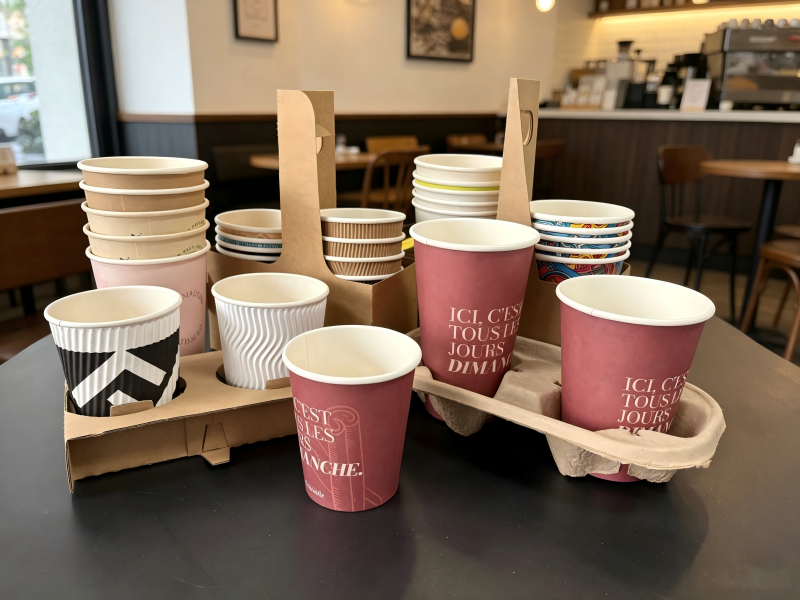
A typical coffee shop packaging system may include:
- Paper cups
- Ripple wall cups
- Cup sleeves
- Cup carriers
- Paper bags
These products help create a consistent customer experience while supporting takeaway and delivery orders.
Restaurants
Restaurants often require:
- Paper bowls
- Soup containers
- Takeaway boxes
- Delivery bags
Packaging performance is particularly important for hot foods and longer delivery times.
Fast Food Chains
Fast food operators typically use:
- Burger boxes
- Fry containers
- Chicken boxes
- Drink carriers
- Paper bags
Efficient packaging supports faster service and smoother delivery operations.
Bakeries and Dessert Shops
Bakeries frequently use:
- Dessert boxes
- Pastry boxes
- Ice cream cups
- Paper bags
Print quality and presentation are often important considerations for bakery packaging.
Food Delivery Services
Food delivery companies require packaging that performs well throughout transportation.
Important factors include:
- Leak resistance
- Structural strength
- Heat retention
- Stackability
The right packaging can help reduce customer complaints and product damage during delivery.
Common Materials Used in Paper Food Packaging
The performance of food packaging depends heavily on material selection.
White Paperboard
White paperboard offers a smooth printing surface and clean appearance.
It is commonly used for:
- Paper cups
- Burger boxes
- Takeaway containers
- Branded packaging
Businesses seeking high-quality printing often prefer white paperboard.
Kraft Paper
Kraft paper is known for its strength and natural appearance.
Typical applications include:
- Kraft bowls
- Takeaway boxes
- Paper bags
It is widely used by restaurants, cafés, and food delivery businesses.
PE-Coated Paper
Many food packaging products require protection against moisture and grease.
PE-coated paper provides a barrier layer that helps prevent liquid penetration.
Common applications include:
- Coffee cups
- Soup bowls
- Food containers
PLA-Coated Paper
PLA coating is commonly used in markets that require compostable packaging solutions.
Businesses should verify local regulations and waste management infrastructure before selecting PLA-coated products.
Food Safety Requirements for Paper Food Packaging
Food-contact packaging materials must comply with relevant regulations in the markets where they are sold.
In the United States, food-contact materials are regulated by the U.S. Food and Drug Administration (FDA). Manufacturers supplying food packaging products to the U.S. market must ensure that materials used in cups, bowls, and food containers are suitable for their intended use.
In the European market, food-contact materials are subject to regulations that govern material safety and migration limits for substances that may come into contact with food.
Custom Paper Food Packaging for Growing Brands
Custom packaging has become increasingly important for restaurants, coffee shops, and food service brands.
Rather than purchasing generic packaging, many businesses choose custom paper food packaging to improve brand recognition and maintain a consistent appearance across different products.
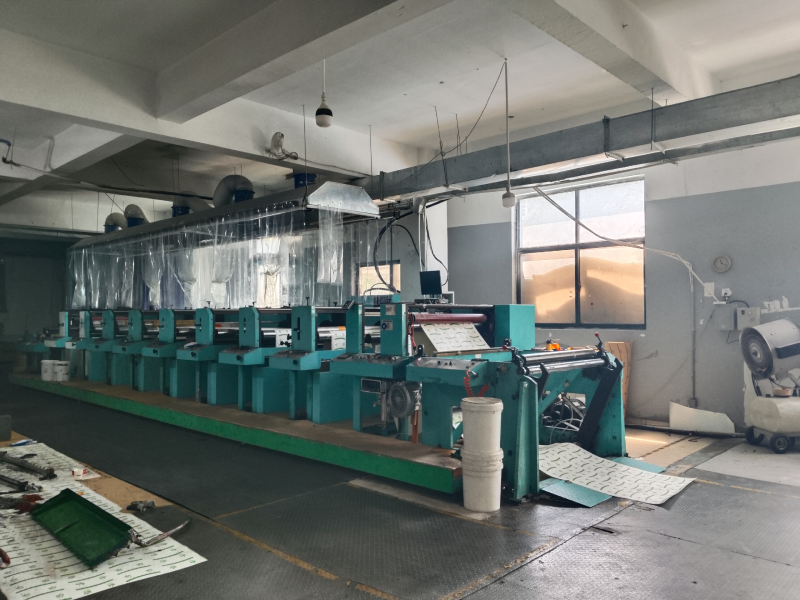
Logo Printing
Custom printing allows businesses to display:
- Brand logos
- Corporate colors
- Promotional messages
- QR codes
Customized Sizes and Structures
Manufacturers can often customize:
- Cup sizes
- Bowl capacities
- Box dimensions
- Structural designs
This helps businesses create packaging that fits their products more effectively.
OEM and ODM Services
Many paper food packaging manufacturers offer OEM and ODM services for businesses that require custom designs, private labeling, or unique packaging structures.
Understanding MOQ Requirements
Minimum order quantities vary depending on:
- Product type
- Printing complexity
- Material selection
- Packaging specifications
Discussing MOQ requirements early in the sourcing process can help buyers avoid delays and unexpected costs.
How to Choose a Paper Food Packaging Manufacturer
Selecting a supplier involves more than comparing prices.
Experienced importers and distributors often evaluate suppliers based on several factors.
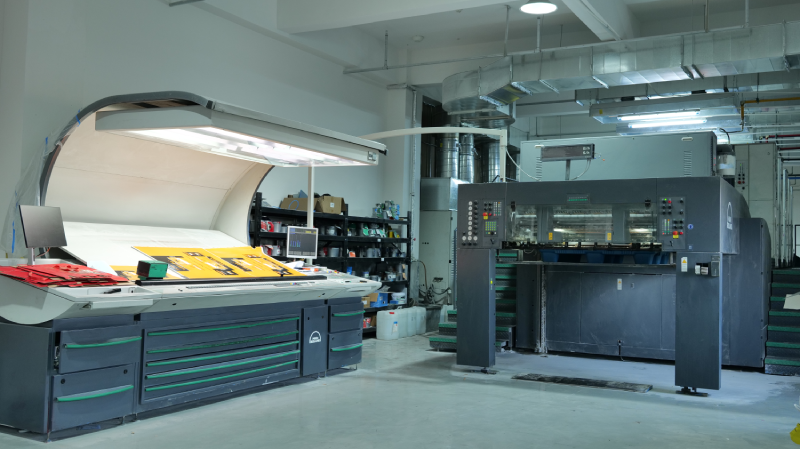
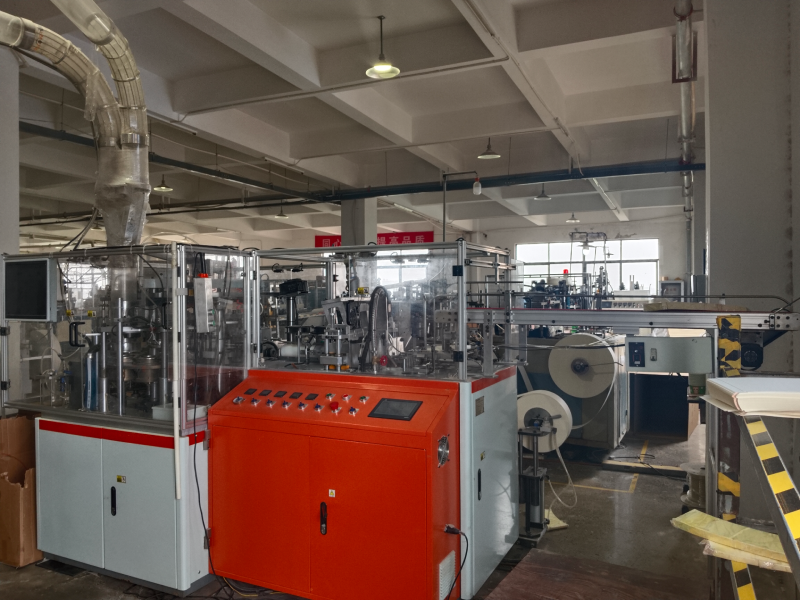
Production Capacity
The supplier should have sufficient manufacturing capacity to support future growth and large-volume orders.
Quality Control
Reliable quality control systems help ensure consistency across different production batches.
Customization Capability
Not all suppliers offer the same level of customization.
Buyers should evaluate:
- Printing quality
- Design support
- Product range
- Development capability
Export Experience
Manufacturers with export experience are often more familiar with international packaging requirements, documentation, and shipping processes.
Product Range
Many buyers prefer working with suppliers that can provide multiple packaging categories, including:
This can simplify procurement and improve packaging consistency.
Frequently Asked Questions
Is paper food packaging suitable for hot foods?
Yes. Many paper food packaging products are specifically designed for hot beverages and hot meals. Material selection and coating type play an important role in heat resistance.
Can paper food packaging be customized?
Yes. Most manufacturers offer custom printing, custom sizes, and private-label packaging solutions.
What is the difference between PE and PLA coating?
PE coating provides moisture resistance and is widely used in food packaging. PLA coating is commonly used in compostable packaging applications where local regulations support composting infrastructure.
What should buyers look for when choosing a paper food packaging supplier?
Important factors include product quality, manufacturing capability, food-contact compliance, customization options, MOQ requirements, and export experience.
Conclusion
Most food businesses do not purchase packaging one product at a time.
A coffee shop may need paper cups, cup sleeves, cup carriers, and paper bags. A restaurant may require takeaway containers, soup bowls, burger boxes, and delivery packaging. As operations expand, managing multiple suppliers can become increasingly complex.
For this reason, many importers, distributors, restaurant chains, and food service brands prefer working with a paper food packaging manufacturer that can provide a complete packaging solution. Sourcing cups, bowls, boxes, bags, and carriers from a single supplier can simplify purchasing, maintain packaging consistency, and support long-term business growth.
Whether you are looking for wholesale paper food packaging, custom printed packaging, or a long-term food packaging supplier, understanding product types, materials, customization options, and supplier capabilities is the first step toward making a more informed purchasing decision.