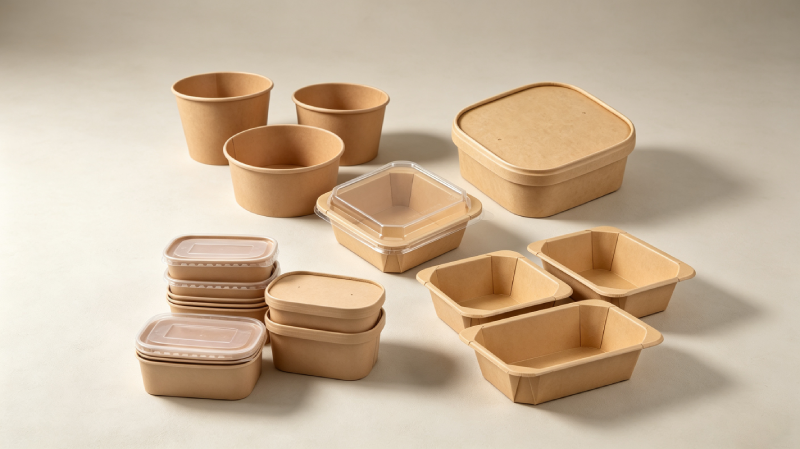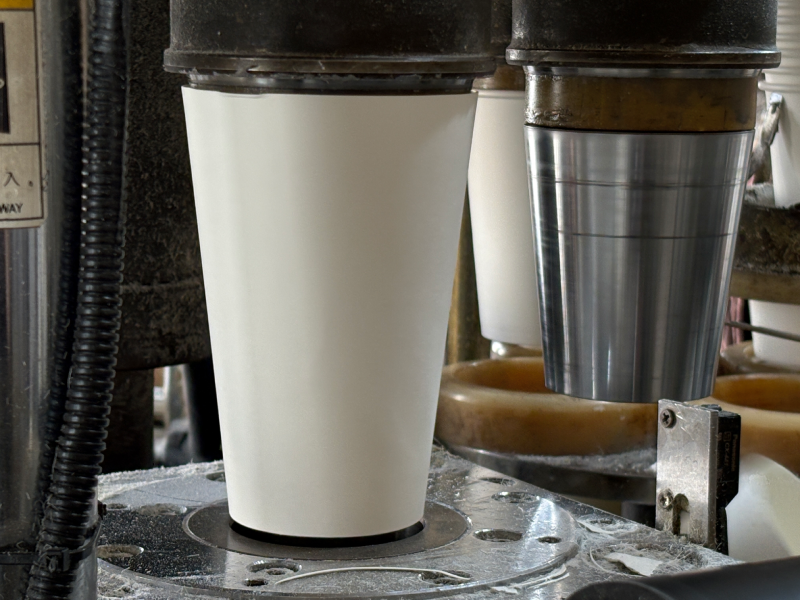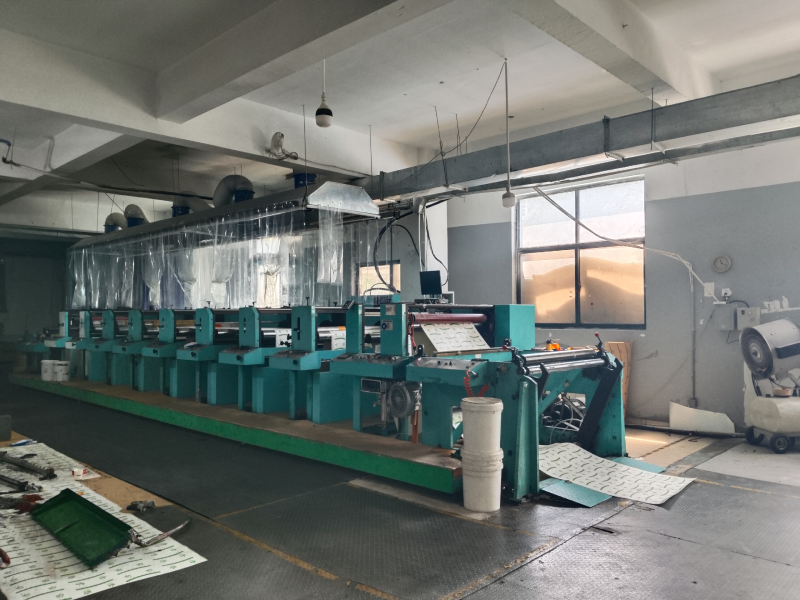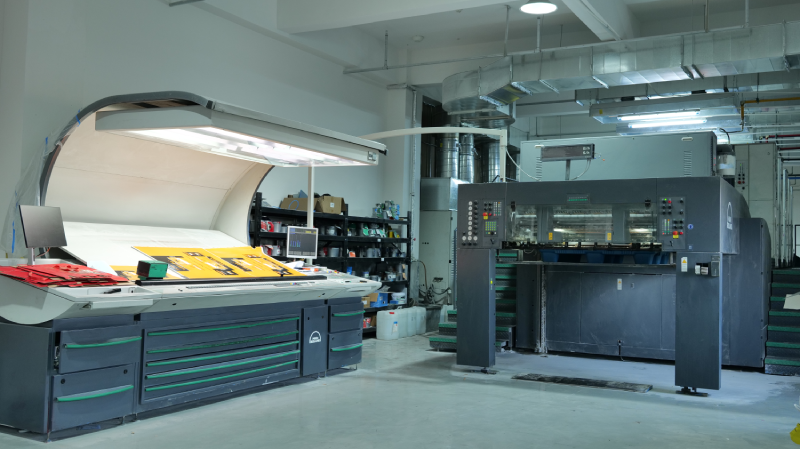
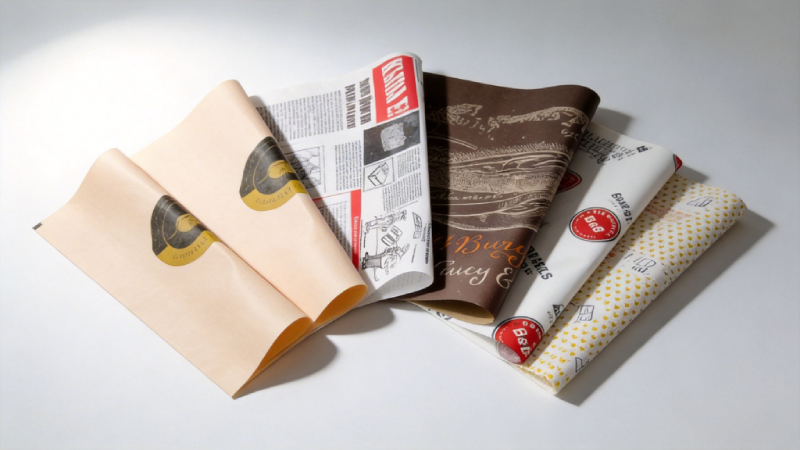
Greasy leakage, soft packaging, and poor customer experience are common risks when sourcing disposable paper packaging. Many buyers struggle to understand why some paper products fail while others perform reliably. The difference often comes down to one key material: greaseproof paper.
Greaseproof paper works by combining dense fiber structure with specialized coatings to block oil, moisture, and heat transfer, ensuring packaging remains strong, clean, and leak-resistant during real-world use.
What Is Greaseproof Paper?
Definition and Key Characteristics
Greaseproof paper is a type of paper designed to resist oil and grease.
It is commonly used in:
- fast food packaging
- bakery wrapping
- takeaway applications
It looks simple. But its internal structure is highly engineered.
Differences From Normal Paper
Regular paper has visible pores.
Oil can pass through easily.
Greaseproof paper is different.
It undergoes intensive refining, which compresses fibers tightly.
Materials Used
Most greaseproof paper is made from:
- virgin wood pulp
- mechanically treated fibers
Sometimes, small amounts of additives are used.
But many high-quality products rely mainly on structure, not coatings.
How Greaseproof Paper Actually Works
Fiber Density and Structure
The core principle is density.
Fibers are packed closely together.
This reduces gaps where oil could pass through.
Mechanical Refining Process
During production, pulp is heavily refined.
This process increases fiber bonding.
It also improves surface smoothness.
Without this step, grease resistance would be very limited.
Oil Barrier Mechanism
Greaseproof paper blocks oil through:
- reduced pore size
- tight fiber bonding
- surface tension effects
This combination prevents oil from penetrating the paper.
Why Greaseproof Paper Is Critical for Food Packaging
Preventing Leakage
Oil leakage creates immediate problems.
It affects packaging appearance and hygiene.
Greaseproof paper helps maintain clean surfaces.
Maintaining Product Quality
Food looks more appealing when packaging is clean.
There are no oil stains or structural failures.
This improves perceived quality.
Improving End-User Experience
End users notice details.
Clean hands. Clean packaging.
These small factors influence repeat purchases.
Common Applications in the Market
Fast Food Packaging
Used for:
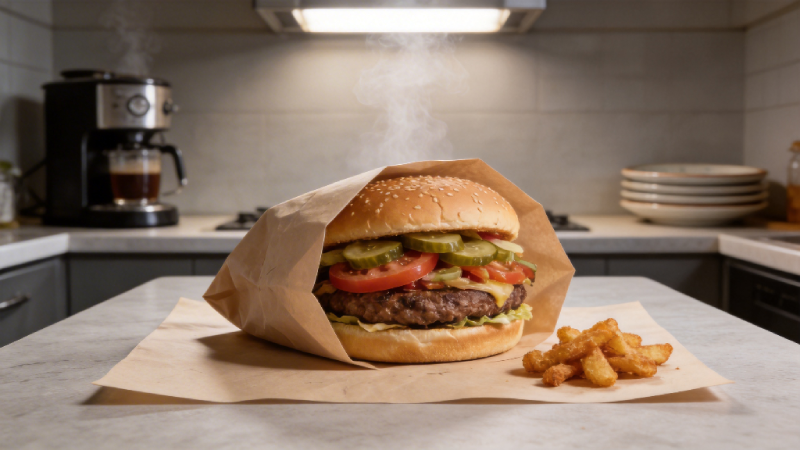
- burgers
- fries
- fried chicken
It keeps oil contained.
Bakery and Takeaway
Suitable for:
- sandwiches
- pastries
- wraps
It maintains freshness and structure.
Industrial Usage
Also used in large-scale food processing.
It protects products during transport and storage.
How to Evaluate Greaseproof Paper Quality
Grease Resistance Standards
The KIT test is commonly used.
It measures resistance to oil penetration.
Strength and Thickness
Higher GSM often means better durability.
But balance is important.
Too thick increases cost.
More questions?
What is greaseproof paper used for?
It is used for packaging oily foods like burgers and fried items.
Is greaseproof paper better than normal paper?
Yes. It resists oil and improves packaging performance.
How is greaseproof paper made?
It is produced through intensive fiber refining processes.
Does greaseproof paper work for hot food?
Yes. It performs well with hot and oily foods.
Conclusion
Greaseproof paper works through fiber density, not coatings. It is a reliable and efficient solution for oil-resistant food packaging across multiple applications.
Looking for a Reliable Paper Food Packaging Manufacturer?
We manufacture high-quality disposable paper cup and food packaging, including paper cups, paper bowls, takeaway boxes, food containers, and paper bags.As a factory with a full production line, we support wholesale custom printing for bulk paper packaging orders.
→ Explore Our Custom Paper Packaging Solutions
→ Contact Us for Samples, Specifications & OEM Support
Let our team help you choose the right paper packaging solution for your product, market, and logistics requirements.