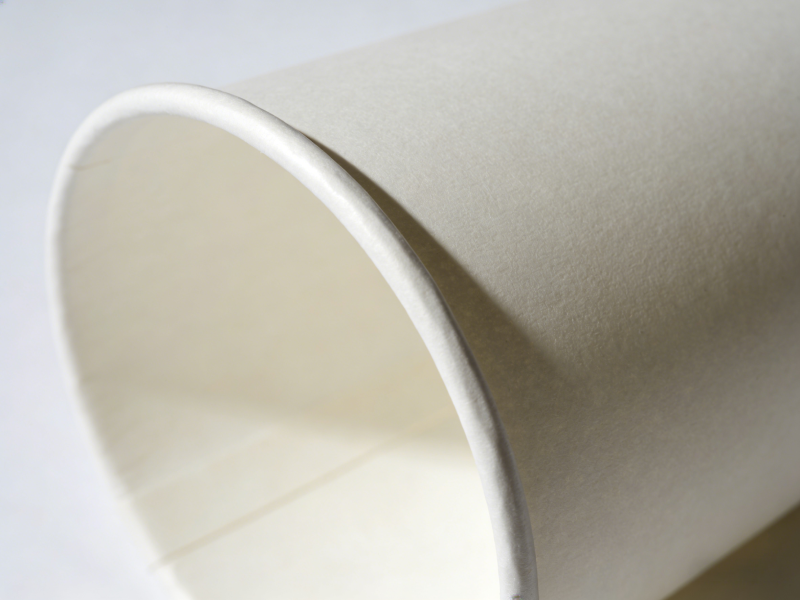
When people talk about disposable paper cups, they usually focus on printing, size, or coating.
But in my experience working with paper cup manufacturing, the rim structure is one of the most important details.
The rim of a paper cup is the part that directly touches the user’s mouth and connects with the lid. If the rim is weak or uneven, the cup may leak, deform, or feel uncomfortable when drinking.
Cup rim rolling is a manufacturing process that curls the top edge of a paper cup into a rounded ring. This structure improves strength, ensures lid compatibility, and creates a smoother drinking experience.
In this article, I will explain how rim rolling works and why it matters for businesses purchasing disposable paper cups.
What Is Cup Rim Rolling in Paper Cup Manufacturing?
The Basic Definition
Cup rim rolling is the process of curling the top edge of a formed paper cup outward to create a circular rim.
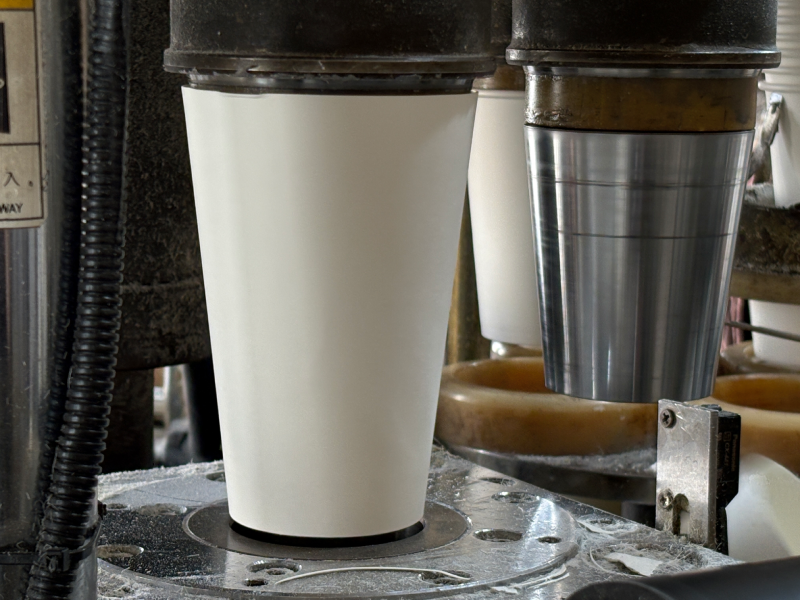
During this step, the edge of the cup is heated slightly and rolled by a specialized mold.
This creates a smooth and reinforced ring structure.
This ring improves both comfort and durability.
Why Rim Rolling Is Necessary for Disposable Cups
Without rim rolling, the top edge of a paper cup would remain thin and sharp.
This creates several problems:
- The cup becomes easy to deform
- The lid cannot seal tightly
- The drinking experience feels rough
A rolled rim solves these issues by adding structural reinforcement.
This is why nearly all commercial paper cups use this design.
Materials Involved in the Rim Process
The rim rolling process depends on several material factors:
- Paperboard thickness (usually 190-350 gsm)
- PE or PLA coating flexibility
- Temperature during forming
If the paperboard is too thin, the rim may crack.
If it is too thick, rolling becomes difficult.
Manufacturers must balance these factors carefully.
How the Cup Rim Rolling Process Works
From a factory perspective, rim rolling happens near the final stage of cup production.
Step 1 – Paper Cup Forming
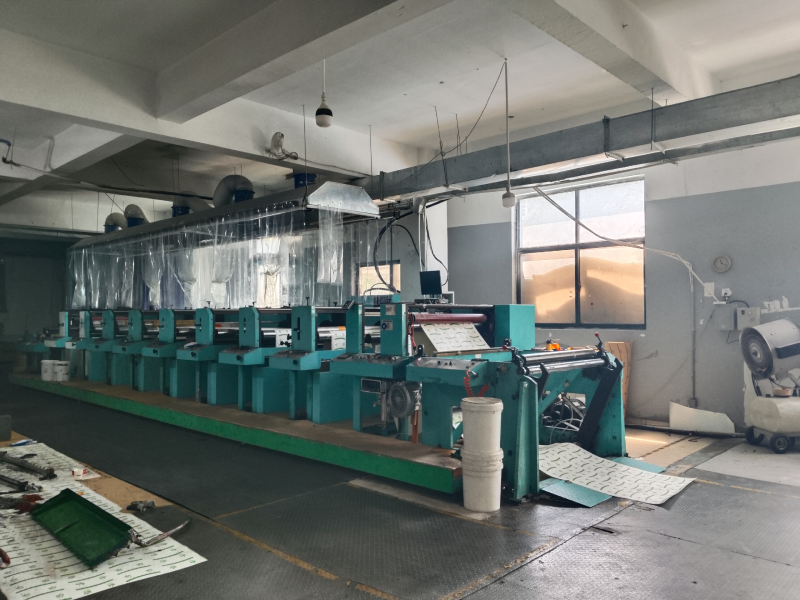
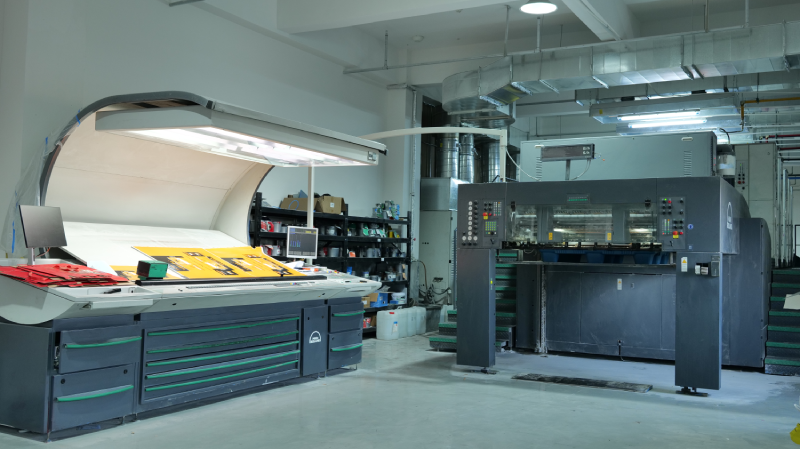
First, the paperboard is printed and die-cut.
Then a cup forming machine seals the side wall and attaches the bottom disc.
At this stage, the cup still has a straight top edge.
Step 2 – Heating and Softening the Rim
Next, the machine slightly heats the top edge of the cup.
The heat softens the paper fibers and plastic coating.
This allows the rim to bend smoothly without cracking.
Step 3 – Rolling the Rim Into a Rounded Edge
Finally, a rotating mold curls the edge outward.
This creates the familiar rolled lip found on most disposable cups.
The process only takes a fraction of a second.
But it dramatically improves the cup’s performance.
Why Cup Rim Rolling Is Important for Quality
Better Drinking Comfort
The rolled rim provides a smooth surface for the lips.
Without this structure, the paper edge could feel rough.
For hot drinks like coffee, comfort is especially important.
Structural Strength and Leak Resistance
A rolled rim acts like a reinforcement ring.
This increases the cup’s resistance to pressure and deformation.
It also helps the cup maintain its shape during transportation.
Compatibility With Plastic Lids
One of the most practical benefits is lid compatibility.
Most coffee cup lids are designed to snap onto a rolled rim.
If the rim diameter is inaccurate, the lid may leak.
Proper rim rolling ensures a tight seal.
Common Rim Types Used in Disposable Cups
Standard Rolled Rim
This is the most common type.
It is used for:
- Coffee cups
- Tea cups
- Cold drink cups
Thickened Rolled Rim
Some cups use thicker paperboard.
This creates a stronger rim structure.
It is often used for large-capacity cups.
Reinforced Rim for Large Cups
Large cups (20-24 oz) require stronger reinforcement.
Manufacturers may increase rim thickness or use double rolling.
This prevents deformation when the cup is full.
Quality Control in Rim Rolling
Precision Machines and Mold Design
High-quality cups require precise molds.
Modern paper cup machines control:
- temperature
- pressure
- rolling angle
These factors ensure consistent rim diameter.
Common Defects to Avoid
In production, several defects may appear:
- uneven rim edges
- cracked coating
- incomplete rolling
These problems affect both appearance and performance.
Inspection Standards
Factories usually check rim quality through:
- diameter measurement
- lid fitting tests
- visual inspection
These steps ensure consistency across batches.
How Buyers Can Evaluate Rim Quality
If you are sourcing disposable paper cups, rim quality is easy to test.
Visual Inspection
Look at the rim edge.
A good rim should be:
- smooth
- evenly rounded
- free from cracks
Lid Fitting Test
Attach a standard lid.
The lid should snap firmly into place.
Loose lids indicate poor rim precision.
Compression Strength Test
Press the rim gently.
A strong rolled rim should not collapse easily.
Questions Related to Cup Rim Rolling?
Why is the rim of a paper cup rolled?
Rolling the rim strengthens the cup and creates a smooth drinking edge.
Can a paper cup work without rim rolling?
Technically yes, but it would be weak and uncomfortable to drink from.
Does rim rolling affect lid compatibility?
Yes. Most lids are designed to lock onto a rolled rim structure.
Does rim thickness affect cup strength?
Yes. Thicker rims increase compression resistance.
What machines are used for rim rolling?
Automatic paper cup forming machines perform rim rolling using rotating molds.
Can rim rolling cause paper cracking?
It can happen if the paperboard is too dry or the temperature is incorrect.
Conclusion
Cup rim rolling may look like a small detail, but it plays a major role in cup strength, comfort, and lid sealing. For businesses sourcing disposable paper cups, understanding this process helps ensure better product quality.
Looking for a Reliable Paper Food Packaging Manufacturer?
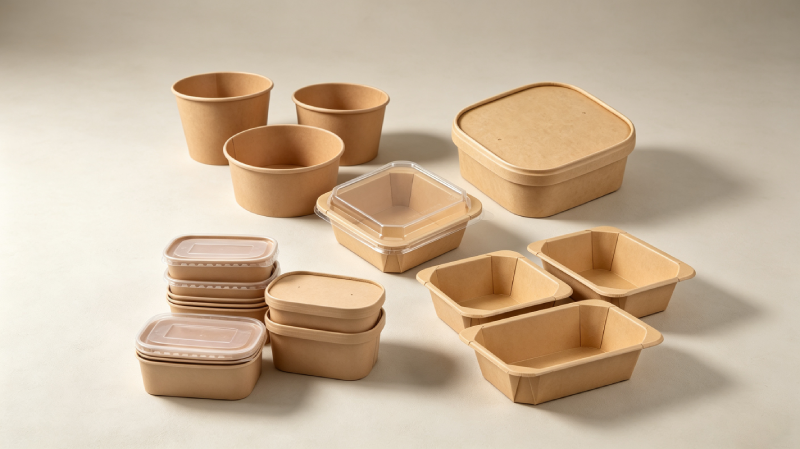
We manufacture high-quality disposable paper cup and food packaging, including paper cups, paper bowls, takeaway boxes, food containers, and paper bags.As a factory with a full production line, we support wholesale custom printing for bulk paper packaging orders.
→ Explore Our Custom Paper Packaging Solutions
→ Contact Us for Samples, Specifications & OEM Support
Let our team help you choose the right paper packaging solution for your product, market, and logistics requirements.