Ask five factories for a quotation on the same paper cup and you’ll probably get five different prices.
That’s normal.
The interesting question isn’t why the numbers are different.
It’s where the difference comes from.
From the outside, paper cups look simple. A size, a logo, a quantity, and a delivery address.
Inside a factory, however, every quotation is built from dozens of small decisions. Some affect the cup itself. Others affect production efficiency, shipping costs, or container utilization.
This is why two suppliers can quote very different prices for what appears to be the same product.
1. Material Selection Changes More Than Most Buyers Expect
When buyers compare quotations, they usually start with cup size.
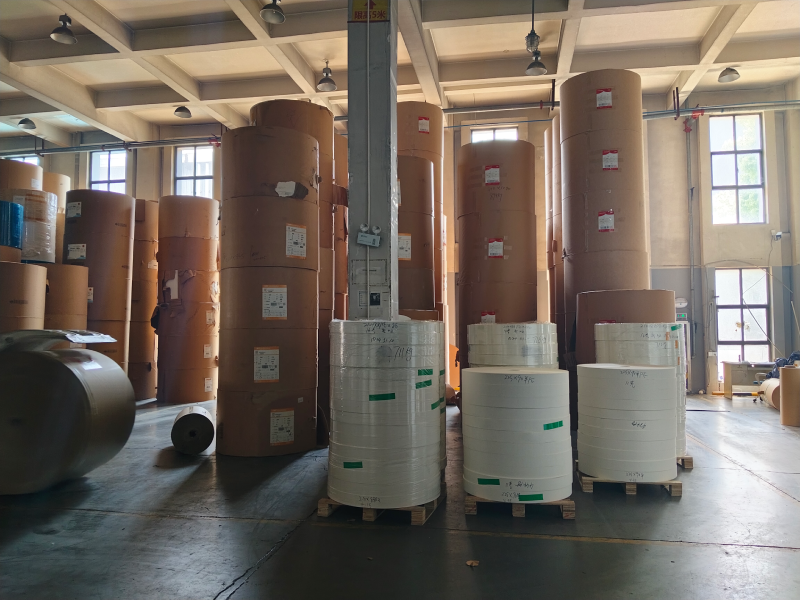
Factories usually start with paper specifications.
Two 12oz hot cups may look identical after production but use completely different materials underneath the printing.
Paper weight affects rigidity.
Coating structure affects performance.
The intended use affects material selection as well.
A cup designed for espresso bars may not require the same structure as one intended for large takeaway coffee chains.
This is often the first place where pricing differences begin.
2. Cup Size Is More Than Just Capacity
An 8oz cup and a 16oz cup are not simply the same product in different dimensions.
Larger cups consume more raw material.
They require larger cartons.
They reduce packing density during transportation.
They lower container loading efficiency.
This is particularly important in export business because paper cups are lightweight products but occupy a large amount of space.
For many international shipments, logistics become part of the product cost rather than an afterthought.
3. Printing Has a Direct Impact on Cost
Printing is one of the biggest variables in custom paper cup production.
A simple logo printed in one or two colors is relatively straightforward.
A full-wrap design with multiple colors, gradients, and detailed graphics requires a completely different production setup.
Several factors influence printing costs:
- Number of colors
- Ink coverage area
- Printing technology
- Artwork complexity
- Registration accuracy requirements
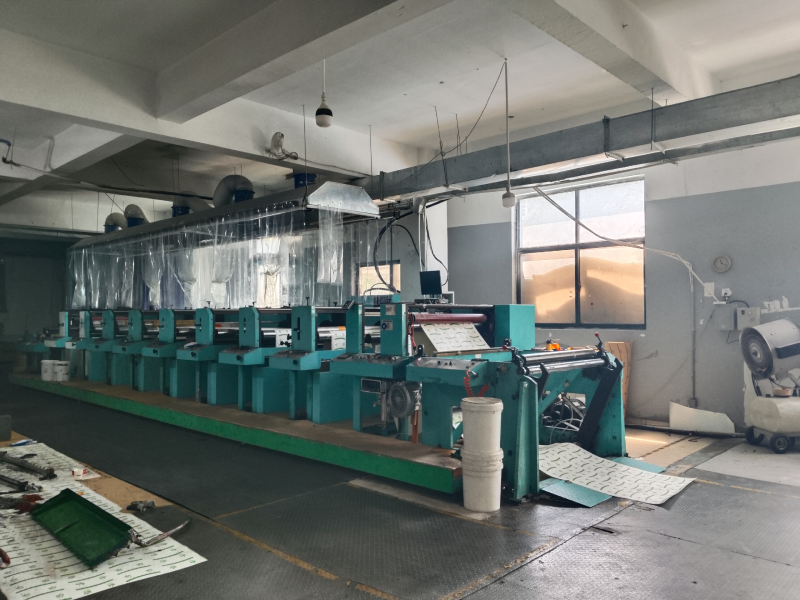
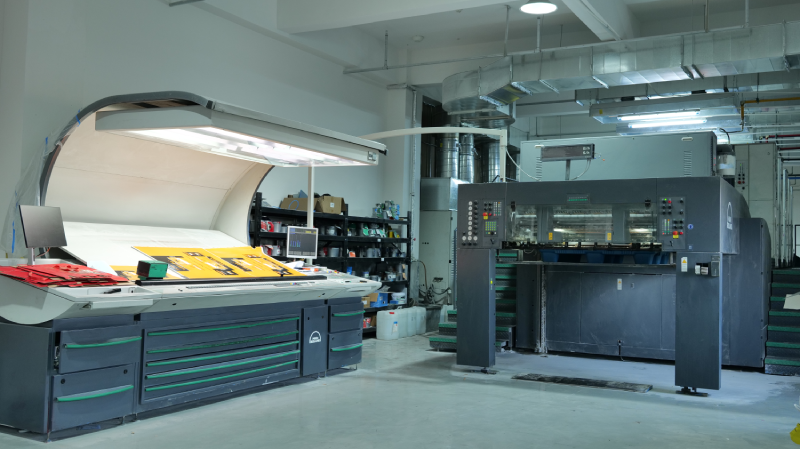
In the paper packaging industry, the two most common methods are flexographic printing and offset printing.
Neither is universally better.
They simply solve different production problems.
The right choice depends on design expectations, order volume, and budget.
4. Quantity Changes Everything
Order quantity is probably the single biggest factor affecting unit price.
The first production run carries setup costs that exist regardless of whether the factory produces 50,000 cups or 500,000 cups.
Printing plates need to be prepared.
Machines need calibration.
Raw materials need allocation.
Production schedules need adjustment.
Once those costs are spread across a larger quantity, the unit price naturally becomes more competitive.
This is why two buyers purchasing the same cup can receive very different quotations.
The specifications may be identical.
The production economics are not.
5. Packaging Requirements Matter More Than People Think
Many buyers focus entirely on the cup itself.
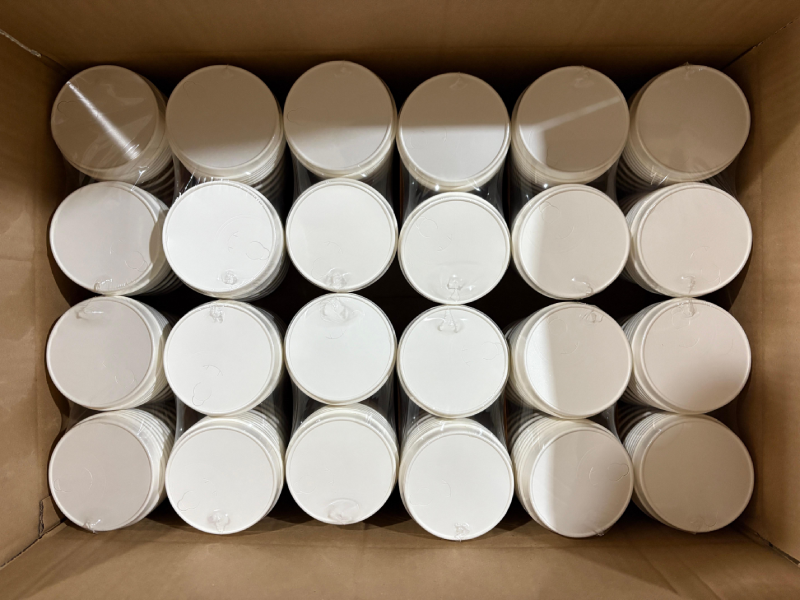
Factories usually quote for the entire packaging project.
Some customers need standard export cartons.
Others require retail-ready packaging.
Some ask for barcode labels, custom master cartons, palletization, or specific loading requirements.
None of these requests are unusual.
But they all add labor, materials, and handling costs.
A distributor, a supermarket chain, and a coffee brand often buy the same cup in completely different ways.
The packaging strategy changes accordingly.
6. Lids Are Often Overlooked During Budget Planning

For coffee businesses, the cup is only half the product.
The lid matters just as much.
Flat lids, dome lids, sip-through lids, and specialty beverage lids all have different manufacturing costs and sourcing requirements.
Many buyers compare cup quotations while overlooking the fact that their total packaging budget is heavily influenced by accessories.
Sometimes the difference between two quotations has very little to do with the cup itself.
7. Freight Costs Can Change the Entire Equation
A product can be inexpensive to manufacture and still become expensive to import.
Paper cups are a good example.
Because they are bulky, shipping efficiency becomes extremely important.
Container loading quantity often influences landed cost more than buyers expect.
A small improvement in carton dimensions or packing efficiency can translate into significant savings over multiple shipments.
Experienced importers pay close attention to how many cups fit inside a container, not just how much each cup costs to produce.
So What Should Buyers Compare?
When evaluating quotations, price alone rarely tells the whole story.
The more useful comparison usually includes:
- Material specifications
- Cup size
- Printing method
- Order quantity
- Packaging requirements
- Lid options
- Shipping terms
Without those details, two quotations may look comparable while referring to two very different products.
Final Thoughts
There isn’t a universal price for paper cups.
There never has been.
Every quotation reflects a combination of material choices, production decisions, packaging requirements, and logistics considerations.
Understanding those factors makes conversations with suppliers easier and quotations much easier to evaluate.
And in most cases, the best purchasing decisions come from understanding the specification first and the price second.