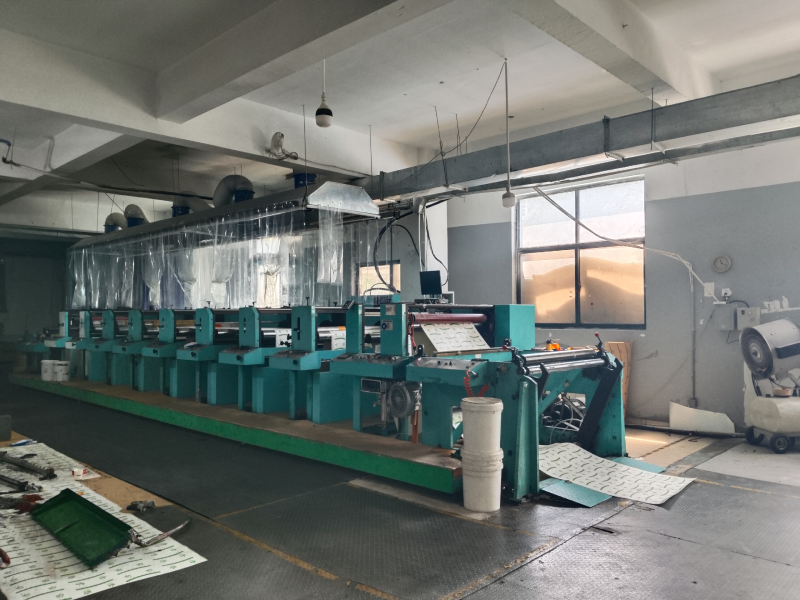
Flexo printing is one of the most common printing methods used for disposable paper food packaging, yet it’s also one of the most misunderstood.
Many buyers assume it’s simply the lower-cost alternative to offset printing. That’s not entirely true. The printing method influences production speed, artwork quality, order quantity, and ultimately the total cost of every paper cup or food container you purchase.
If you’re sourcing custom paper packaging, understanding where flexo printing performs well—and where it doesn’t—will help you make better decisions long before production begins.
So, What Is Flexo Printing?
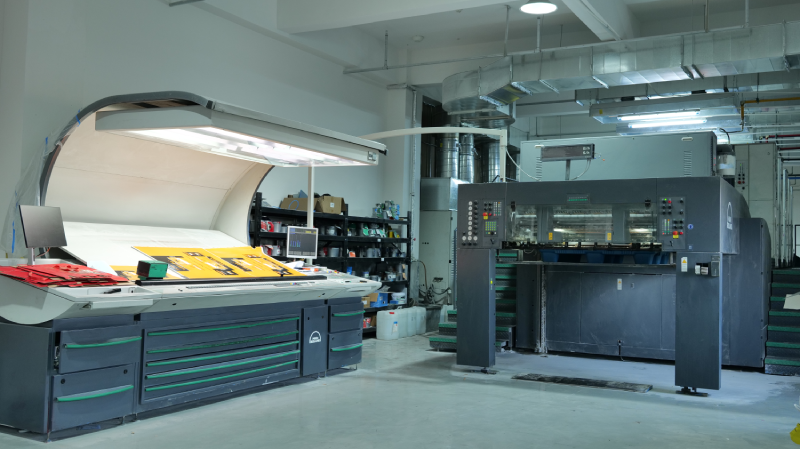
Flexographic printing—usually shortened to flexo printing—is a printing process that transfers ink onto packaging materials using flexible photopolymer plates.
Today, it’s one of the most widely used printing technologies for disposable paper food packaging.
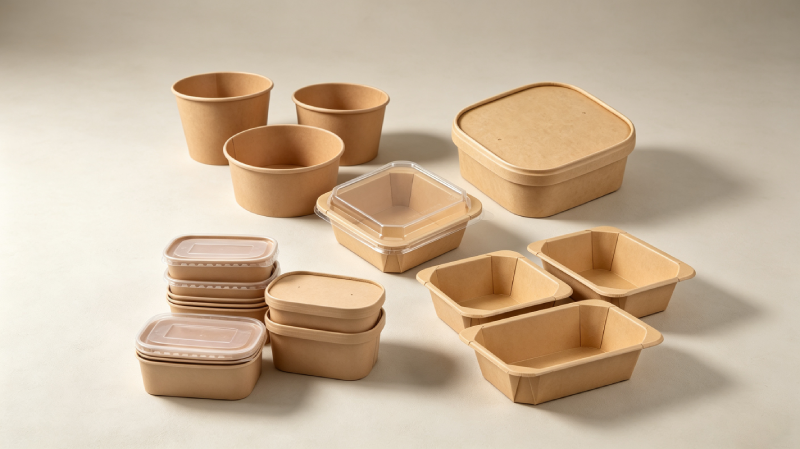
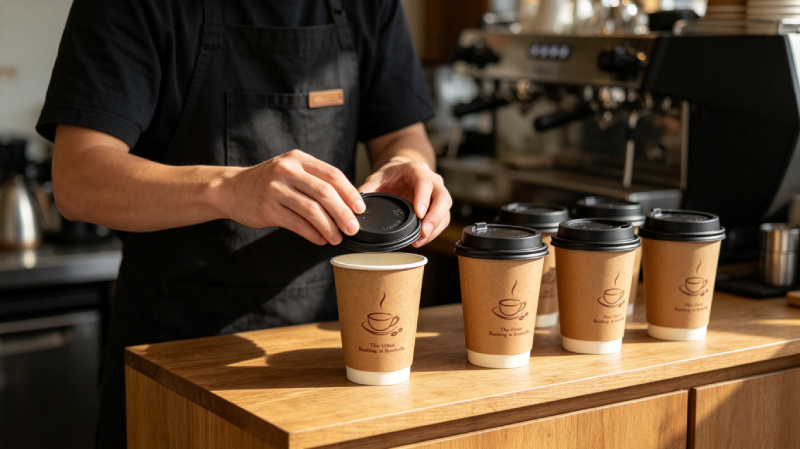
Paper cups, soup cups, salad bowls, kraft food containers, popcorn buckets, paper trays, and takeaway boxes are all commonly produced using flexographic printing.
Unlike digital printing, flexo requires custom printing plates before production begins. While this setup takes additional preparation, it allows manufacturers to print large quantities quickly and consistently.
That’s why flexo is widely used for wholesale production rather than small custom runs.
Why Do So Many Factories Recommend Flexo Printing?
Some buyers assume the recommendation is based only on price.
It usually isn’t.
Manufacturers often recommend flexo because it offers an excellent balance between production efficiency and print consistency.
Once the press is properly calibrated, it can produce tens of thousands of identical products with very little color variation.
For restaurant chains, distributors, wholesalers, and private-label brands, consistency matters just as much as appearance.
Nobody wants one shipment of cups to look slightly different from the next.
That’s one reason flexo remains the preferred choice for many large production orders.
When Does Flexo Printing Make the Most Sense?
This is the question buyers should ask before requesting quotations.
Flexo printing performs best when the artwork is clean and relatively simple.
Typical examples include:
- Company logos
- Brand colors
- Simple illustrations
- Line graphics
- Text-heavy designs
- Repeating patterns
These designs print efficiently and produce reliable results during mass production.
However, if your artwork includes detailed photographs, complex gradients, or extremely fine color transitions, another printing method may be a better fit.
That’s why experienced manufacturers usually ask to review your artwork before confirming the printing process.
The artwork should drive the decision—not the machine.
Flexo Printing vs. Offset Printing
Many articles compare these two printing methods by asking which one is “better.”
I don’t think that’s the right question.
A better question is:
Which one is better for your packaging?
Offset printing is often chosen for designs with photographic images, subtle gradients, and highly detailed graphics.
Flexo printing is usually the better option when production efficiency, stable quality, and large order quantities are the priority.
Neither technology replaces the other.
They simply solve different production challenges.
A supplier who automatically recommends one method without seeing your artwork probably isn’t giving you the best advice.
Products Commonly Printed Using Flexo
Flexographic printing is used across almost every category of disposable paper food packaging.
Common products include:
- Paper hot cups
- Paper cold cups
- Ripple wall cups
- Double wall cups
- Ice cream cups
- Soup cups
- Paper bowls
- Kraft takeaway containers
- Salad bowls
- Popcorn buckets
- French fry boxes
- Paper food trays
If you’ve purchased branded food packaging before, chances are you’ve already used products printed with flexographic technology.
Common Misunderstandings About Flexo Printing
After working with buyers from different markets, I’ve noticed the same misconceptions appear again and again.
“Flexo printing means lower quality.”
Not anymore.
Modern flexographic presses have improved significantly over the past decade.
For many logo-based packaging designs, the difference between flexo and offset isn’t obvious to the end customer.
“More colors always create better packaging.”
Not necessarily.
Some of the world’s most recognizable food brands use simple one-color or two-color packaging.
A clean, consistent brand identity is often far more effective than an overly complicated design.
“The printing method should be decided before the artwork.”
It’s usually the opposite.
Professional manufacturers evaluate the artwork first, then recommend the most suitable printing process based on the design, production quantity, and packaging structure.
What Should You Prepare Before Requesting a Quote?
One way to speed up communication with your supplier is to prepare a few key details before asking for pricing.
These include:
- Your packaging style (paper cup, bowl, food box, etc.)
- Required dimensions or capacity
- Estimated order quantity
- Logo or artwork
- Preferred printing colors
- Whether custom packaging is required
Even if your artwork isn’t finished, providing a logo and a rough design concept is usually enough for a supplier to recommend a suitable printing method and prepare an initial quotation.
The more complete the information, the fewer revisions you’ll need later.
Frequently Asked Questions
Is flexo printing suitable for custom paper cups?
Yes. It’s one of the most widely used printing methods for wholesale custom paper cups because it combines production efficiency with consistent print quality.
Can flexo printing produce multiple colors?
Yes. Modern flexographic presses can print multiple colors accurately. The final result depends largely on the complexity of the artwork.
Does flexo printing require printing plates?
Yes. Custom plates are created before production starts, making flexo especially cost-effective for medium and large production runs.
Can kraft paper packaging be printed using flexo?
Absolutely. Kraft cups, food boxes, bowls, and takeaway containers are commonly printed using flexographic technology.
Which is cheaper, flexo or offset printing?
There isn’t a universal answer. The total cost depends on your artwork, order quantity, packaging structure, and production requirements.
How do I know which printing method is right for my project?
The easiest approach is to share your artwork before requesting a quotation. An experienced manufacturer can usually recommend the most appropriate printing method after reviewing your design and packaging specifications.
Final Thoughts
Flexo printing has become an industry standard for a simple reason—it delivers reliable results at production scale.
The goal isn’t to choose the most advanced printing technology. It’s to choose the one that fits your packaging, your artwork, and your business objectives.
If you’re planning a custom paper food packaging project, don’t start by asking which printing method is better. Start by sharing your design and your goals. A good manufacturer will recommend the printing process that makes the most sense for your project, helping you avoid unnecessary costs while achieving the result you actually want.