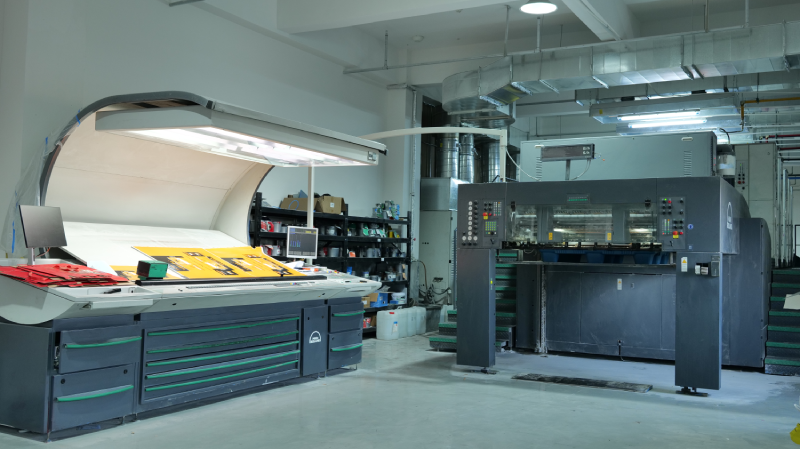
If you’re sourcing custom paper cups, takeaway boxes, paper bowls, or paper bags, you’ve probably heard suppliers mention offset printing. But what exactly does it mean? More importantly, is it the right printing method for your packaging project?
As a manufacturer specializing in disposable paper food packaging, I often find that buyers understand pricing and branding very well, but aren’t always familiar with the printing technologies behind their products. Choosing the wrong printing method can increase costs, delay production, or even affect the final appearance of your packaging.
Offset printing is a high-quality printing process that transfers ink from a metal plate to a rubber blanket before applying it to paper. It delivers sharp images, accurate colors, and excellent consistency, making it one of the most widely used printing methods for custom paper packaging.
In this guide, I’ll explain how offset printing works, when it’s the best choice, and how it compares with other printing methods used in the disposable food packaging industry.
What Is Offset Printing?
Offset printing is an indirect printing process.
Instead of transferring ink directly from the printing plate onto the paper, the image is first transferred to a rubber blanket and then onto the paper surface. This indirect process creates extremely clean and consistent print results.
Today, offset printing is one of the world’s most widely used commercial printing technologies.
According to Printing United Alliance, offset lithography remains one of the dominant printing methods for commercial packaging because of its excellent image quality and production efficiency.
Reference:
For food packaging manufacturers like us, offset printing is especially suitable for customers who require premium brand presentation and precise color reproduction.
How Does Offset Printing Work?
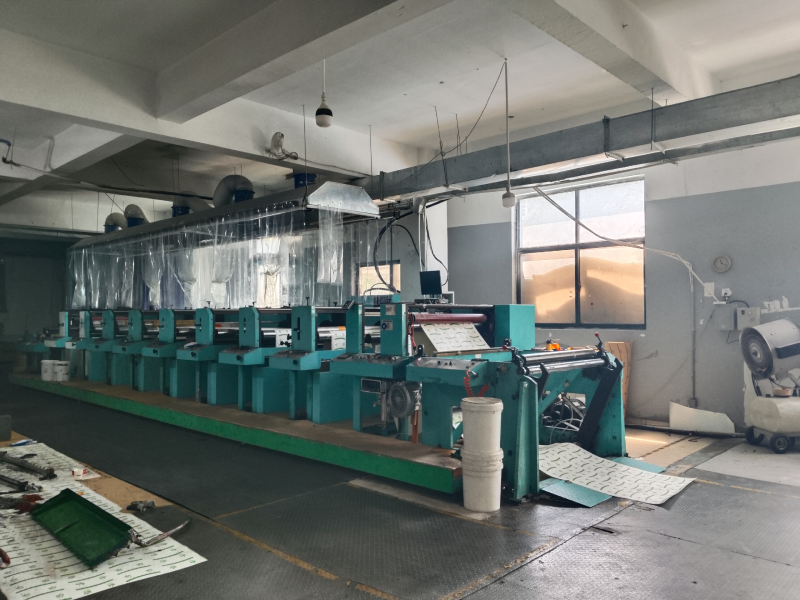
Although the equipment looks complicated, the principle is straightforward.
The process usually follows these steps:
- A printing plate is created for each color.
- Ink is applied to the printing plate.
- The image transfers from the plate to a rubber blanket.
- The rubber blanket transfers the image onto the paper.
- The printed sheets are dried before entering the converting process.
Because the rubber blanket is flexible, it applies ink evenly across the paper surface. This helps produce crisp text, smooth gradients, and vibrant graphics.
For companies that rely on strong visual branding, this consistency is extremely valuable.
Why Is Offset Printing Popular for Paper Food Packaging?
Many buyers ask me whether offset printing is worth the additional setup cost.
My answer depends on their project.
If you’re producing branded packaging with detailed graphics, offset printing is often the best investment.
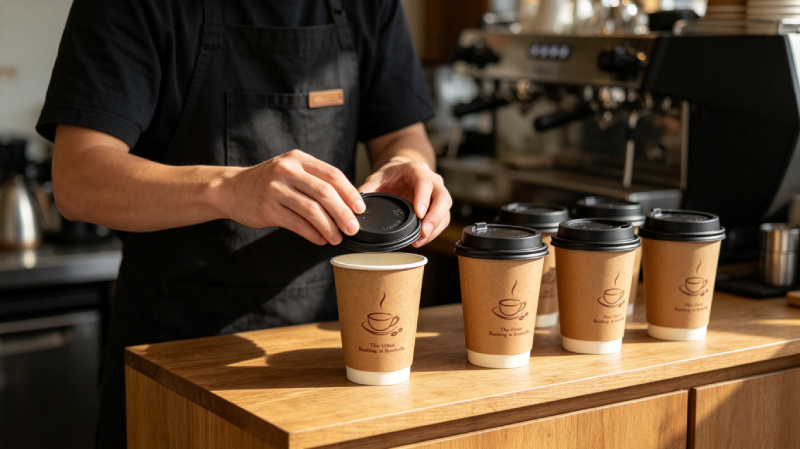
For example, many coffee chains require:
- Consistent brand colors
- Sharp logos
- High-resolution product images
- Premium retail appearance
Offset printing performs exceptionally well in these situations.
It also supports:
- Fine typography
- Complex illustrations
- Large areas of solid color
- Multiple spot colors
- CMYK full-color printing
When your packaging represents your brand, print quality directly influences how customers perceive your business.
Offset Printing vs. Flexographic Printing
One of the most common questions buyers ask is whether they should choose offset printing or flexographic printing.
The answer depends on your priorities.
Offset printing generally offers:
- Higher image resolution
- Better color consistency
- Superior photo reproduction
- Cleaner small text
Flexographic printing generally offers:
- Faster production speeds
- Lower costs for simple designs
- Better suitability for extremely large production volumes
- Printing on a wider variety of materials
For premium disposable paper cups or takeaway boxes with colorful branding, offset printing is usually the preferred option.
However, for simple one- or two-color packaging with very large production quantities, flexographic printing may provide a more economical solution.
A reliable supplier should explain these differences rather than recommending the same solution for every project.
Advantages and Limitations of Offset Printing
No printing method is perfect.
Understanding both the strengths and limitations helps buyers make better purchasing decisions.
Advantages
- Outstanding print quality
- Accurate color matching
- Excellent consistency between production batches
- Cost-effective for medium and large production runs
- Ideal for premium brand packaging
Limitations
- Higher initial plate-making costs
- Less economical for very small orders
- Longer setup time compared with digital printing
- Design changes require new printing plates
For most wholesale buyers, the higher setup cost becomes insignificant when spread across larger order quantities.
How to Choose the Right Printing Method for Your Packaging
When discussing a new project with customers, I usually ask several questions before recommending a printing method.
For example:
How many pieces will you order?
How many colors are included in the artwork?
Do you require photographic image quality?
Will the packaging represent a premium retail brand?
Do you need exact Pantone color matching?
The answers determine whether offset printing, flexographic printing, or digital printing provides the best balance between quality, cost, and production efficiency.
My goal is never to sell the most expensive option.
It’s to recommend the printing solution that creates the greatest long-term value for your business.
Frequently Asked Questions
Is offset printing suitable for paper cups?
Yes. Offset printing is widely used for high-quality custom paper cups that require excellent color accuracy and detailed graphics.
Is offset printing food safe?
Yes, when food-grade inks and certified materials are used according to applicable food packaging regulations.
Reference:
Is offset printing expensive?
The initial setup cost is higher, but the unit cost becomes very competitive for medium and large production runs.
What’s the difference between offset printing and digital printing?
Digital printing requires no printing plates and is ideal for small quantities, while offset printing provides superior quality and lower unit costs for larger orders.
Can offset printing match Pantone colors?
Yes. Offset printing is one of the best methods for achieving accurate Pantone color reproduction.
Conclusion
Choosing the right printing method is about more than appearance—it’s about protecting your brand, controlling costs, and delivering a consistent customer experience. Offset printing remains one of the best solutions for premium disposable paper food packaging because it combines exceptional print quality with reliable production efficiency.
If you’re planning a custom packaging project, we can help evaluate your artwork, recommend the most suitable printing method, and provide samples before mass production.