
A coffee cup and its lid should work together.
That sounds obvious.
Yet one of the most common complaints we hear from coffee shops, distributors, and food packaging buyers is surprisingly simple:
“The lid doesn’t fit.”
Sometimes the lid feels loose.
Sometimes it pops off.
Sometimes the cup leaks during delivery.
And sometimes two cups from the same order perform differently.
Many buyers immediately assume the problem comes from the lid supplier.
But in reality, the cup itself often plays a much bigger role.
A small variation in the cup rim can affect sealing performance, drinking comfort, and even customer satisfaction.
Most paper cup lid problems are caused by rim quality, dimensional consistency, and manufacturing accuracy. Understanding these details helps buyers avoid complaints, reduce packaging failures, and improve customer experience.
The Lid Is Not Always the Problem
Many disposable coffee lids are produced according to standard diameters.
Common sizes include:
- 80 mm
- 90 mm
If the lid follows the standard but the cup rim varies slightly, problems begin to appear.
The lid may:
- feel loose
- leak during use
- pop off during delivery
- require excessive force to close
From the outside, two paper cups may look identical.
But small manufacturing differences can create very different results.
Why Cup Rim Quality Matters
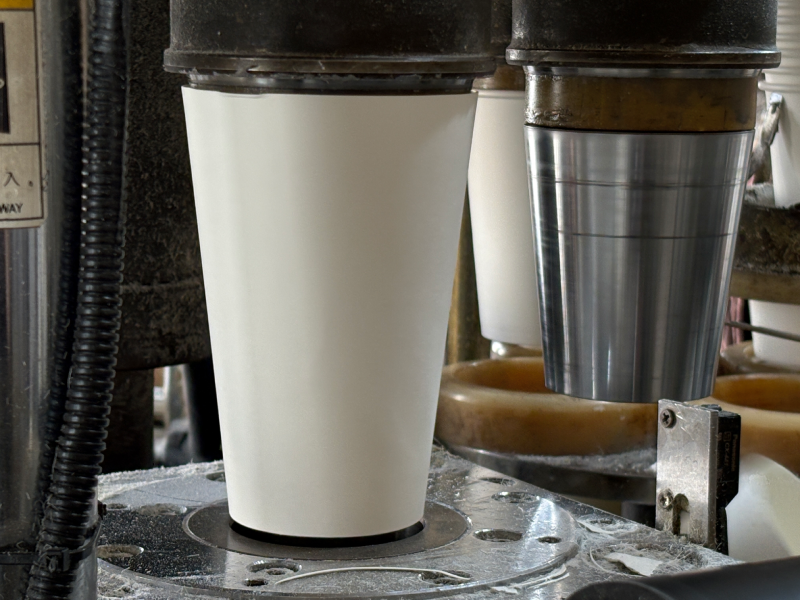
The rim is the upper edge of the paper cup.
During production, this edge is rolled outward to create a smooth circular ring.
This process is called rim rolling.
A properly rolled rim provides three important functions:
- comfortable drinking
- structural reinforcement
- secure lid sealing
If the rim is uneven, compressed, or inconsistent, the lid cannot lock correctly.
This becomes especially important for:
- coffee paper cups
- double wall paper cups
- ripple wall cups
- takeaway beverage cups
Small Differences Create Big Problems
Many buyers focus on paper thickness.
Others focus on printing.
But dimensional consistency often receives less attention.
A difference of less than one millimeter can affect lid performance.
This becomes more noticeable when:
- cups are filled with hot drinks
- delivery times are long
- cups are transported in cup carriers
- customers carry multiple drinks
For coffee brands, a leaking cup creates a poor experience.
For distributors, it creates complaints.
For importers, it creates unnecessary costs.
Why Large Orders Require Better Manufacturing Control
A good sample does not always guarantee good production.
Many factories can produce attractive samples.
The challenge is maintaining consistency during large production runs.
Rim quality depends on:
- machine precision
- forming pressure
- rolling temperature
- mold condition
- quality inspection
When production stability is poor, some cups may seal correctly while others do not.
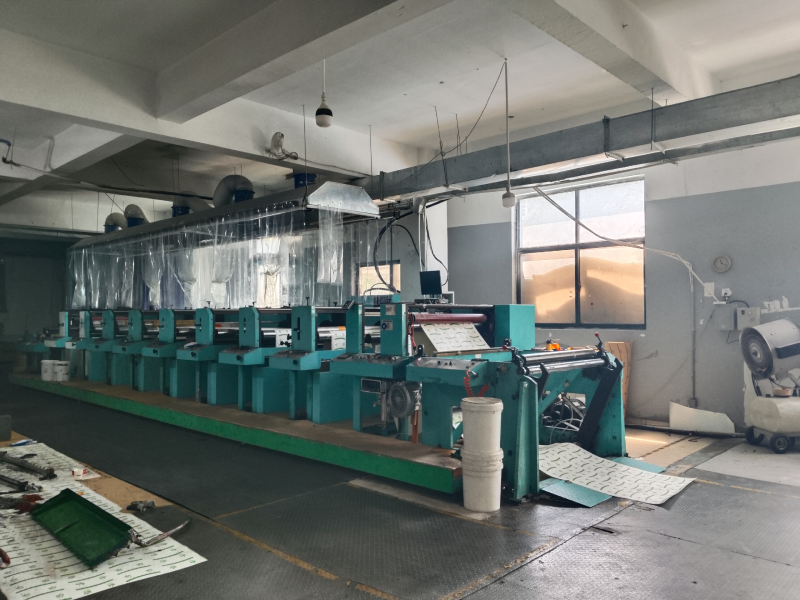
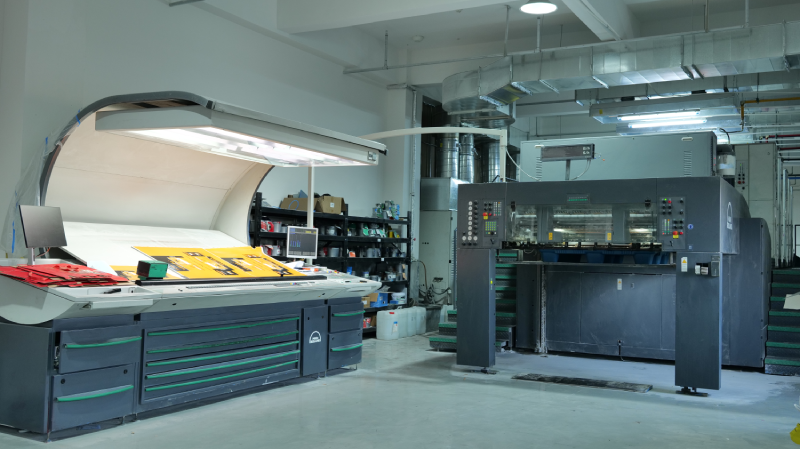
This is why experienced paper cup manufacturers inspect rim dimensions during production.
Different Paper Cups Require Different Rim Performance
Not every cup uses the same structure.
Single Wall Paper Cups
Used for hot and cold drinks.
Require stable lid compatibility.
Double Wall Paper Cups
Additional outer wall increases insulation.
The rim must maintain accurate dimensions.
Ripple Wall Cups
The corrugated outer layer adds thickness.
Rim consistency becomes more important.
Cold Drink Paper Cups
Large sizes often contain ice and condensation.
The cup must maintain rigidity during use.
Each structure requires slightly different production control.
This is one reason why buyers should evaluate manufacturing experience rather than price alone.
What Buyers Should Ask Their Paper Cup Supplier
Before placing an order, buyers can ask:
- Are lids tested with the cups?
- Are rim dimensions inspected?
- Are different cup structures tested separately?
- Can production samples be provided?
- Are multiple cup types produced in the same factory?
These questions often reveal more than price discussions.
Why Many Buyers Prefer One Packaging Supplier
Coffee shops rarely purchase only paper cups.
Many also require:
- single wall paper cups
- double wall paper cups
- ripple wall paper cups
- cold drink cups
- cup sleeves
- cup carriers
- paper bags
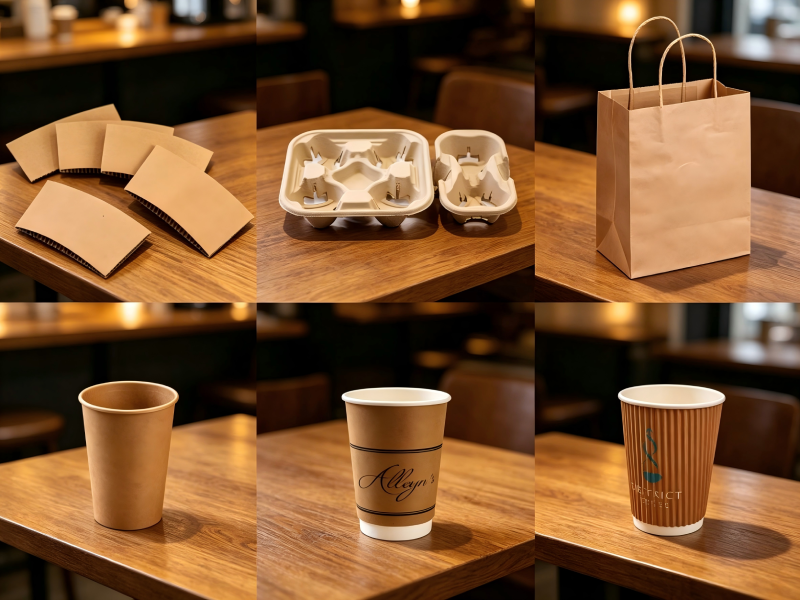
Using one paper cup supplier can improve compatibility between products.
It also reduces purchasing complexity.
For distributors and wholesalers, this creates a more stable supply chain.
Frequently Asked Questions
Why does my coffee cup lid pop off?
Poor rim consistency or dimensional variation may affect lid sealing.
Can two cups with the same size use different lids?
Yes. Small manufacturing differences may affect compatibility.
Does rim rolling affect leakage?
Yes. Rim quality directly influences lid performance.
Why do some paper cups leak during delivery?
Movement, temperature, and poor sealing may contribute.
Are all 90 mm cups identical?
No. Manufacturing tolerances vary between suppliers.
How can I test paper cup quality?
Check lid fit, rim consistency, and actual use conditions.
Final Thoughts
Most paper cup problems are discovered after the products arrive.
By then, changing the cup structure becomes expensive.
For this reason, we usually discuss cup application, beverage type, filling temperature, and lid requirements before production begins.
A paper cup is a simple product.
But the details that customers never see often determine whether the next order happens.