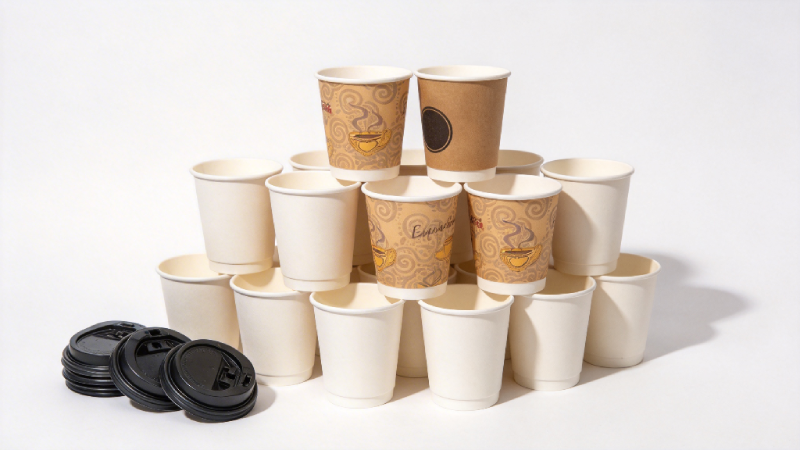
If you’re a restaurant owner, café manager, or international procurement specialist looking to import bulk paper cups from China, the paper cup inner coating is one of the most critical factors you can’t ignore. It directly affects leak resistance, food safety compliance, and even your brand’s sustainability image. Many buyers get confused when choosing between PE lining and PLA coating—after all, both are common options, but they serve different needs. In this guide, we’ll break down the key differences, pros and cons, and which coating is best for your specific business, so you can avoid costly mistakes and make an informed decision for your bulk order.
What Is a Paper Cup Inner Coating, and Why Does It Matter?
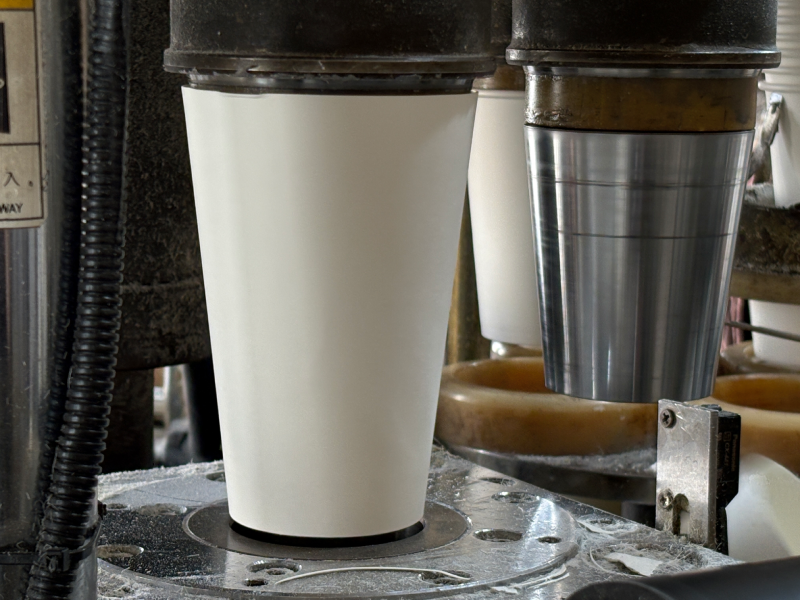
First, let’s clarify: the inner coating of a paper cup is a thin layer applied to the inside of the paper to prevent liquid from seeping through and damaging the cup. Without a high-quality coating, even the thickest paper will absorb water, leading to leaks, structural damage, and potential food safety risks—especially for hot drinks like coffee or tea. For international buyers, the food safe cup coating is not just a quality issue; it’s a compliance requirement. Markets like the US (FDA) and EU (EFSA) have strict standards for materials that come into contact with food, so choosing the right coating is essential to avoid customs delays or product rejection.
When you’re ordering bulk paper cups, the coating also impacts your cost, durability, and environmental footprint. Two of the most popular options for paper cup inner coatings are PE (Polyethylene) and PLA (Polylactic Acid)—and while they may look similar, their performance and suitability vary drastically.
PE Lining Paper Cup: The Traditional, Reliable Choice
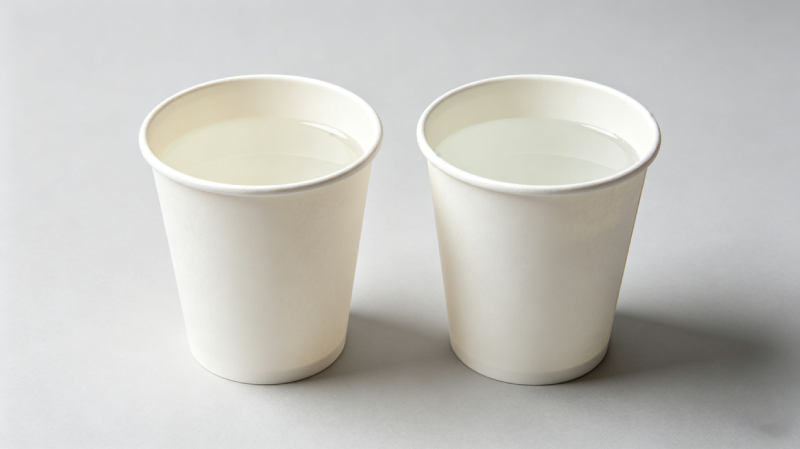
PE (Polyethylene) is the most common inner coating used in disposable paper cups worldwide. It’s a petroleum-based plastic that’s melted and applied as a thin film to the inside of the paper, creating a waterproof barrier. Here’s what you need to know about PE lining paper cup options for your bulk order:
Pros of PE Lining
- Superior leak resistance: PE is highly waterproof and can withstand both hot and cold liquids—making it ideal for coffee, tea, soda, and even iced drinks. It’s less likely to crack or peel when exposed to temperature changes, which is crucial for takeout and delivery businesses.
- Cost-effective: PE is widely available and affordable, making it a great choice for buyers looking to keep their bulk order costs low. It’s also easy to produce at scale, so lead times are shorter.
- Durable and flexible: PE coating adheres well to paper, so the cup maintains its shape even when filled with heavy liquids (like soup or thick smoothies). It also resists grease, which is useful for cups used for fried foods or snacks.
- FDA/EU compliant: Food-grade PE is approved by both the FDA (US) and EFSA (EU) for food contact, so you won’t have to worry about compliance issues when importing.
Cons of PE Lining
- Not eco-friendly: PE is a plastic derived from petroleum, and it’s not biodegradable or compostable. It can take hundreds of years to break down in landfills, which may conflict with your brand’s sustainability goals or customer demands for eco-friendly packaging.
- Not microwave-safe: PE melts at high temperatures, so cups with PE lining can’t be microwaved.
PLA Coated Paper Cup: The Sustainable Alternative
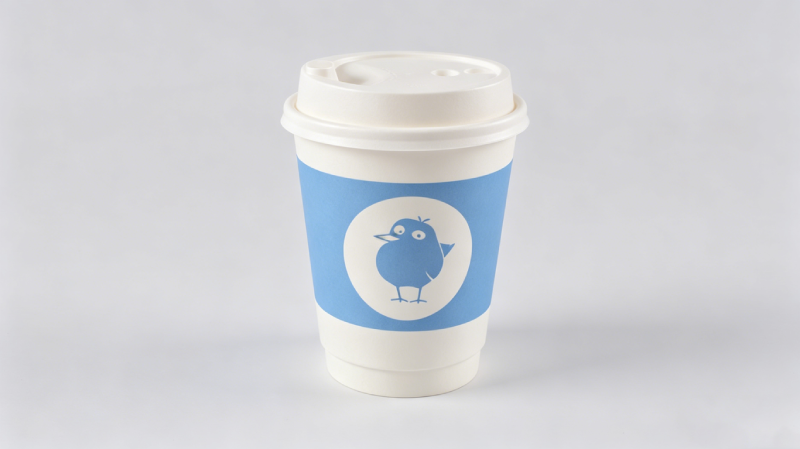
PLA (Polylactic Acid) is a plant-based biodegradable polymer made from renewable resources like corn starch or sugarcane. It’s becoming increasingly popular among buyers who prioritize sustainability, and it’s a viable alternative to PE for many applications. Here’s what you need to know about PLA coated paper cup options:
Pros of PLA Coating
- 100% biodegradable and compostable: PLA breaks down naturally in industrial composting facilities within 3-6 months, making it an eco-friendly choice for brands looking to reduce their carbon footprint. This is a major selling point for cafes, restaurants, and retailers targeting environmentally conscious customers.
- Renewable resource: Unlike PE, PLA is made from plant-based materials, so it’s not dependent on fossil fuels. This can also help you market your brand as sustainable, which can boost customer loyalty.
- Microwave-safe: PLA has a higher melting point than PE, so cups with PLA coating can be microwaved (as long as they’re labeled as such), making them more versatile for customers.
Cons of PLA Coating
- Less durable for hot liquids: PLA is more brittle than PE, and it can crack or peel when exposed to very hot liquids (above 60°C/140°F) for extended periods. This makes it less ideal for hot coffee or tea that’s held for a long time.
- More expensive: PLA is a newer, more specialized material, so it’s 20-30% more expensive than PE. This can increase your bulk order costs, which may be a downside if you’re working with a tight budget.
- Composting requires specific conditions: PLA only breaks down in industrial composting facilities—if it ends up in a regular landfill, it won’t degrade any faster than PE. You’ll need to inform your customers about proper disposal to truly benefit from its sustainability.
PE vs PLA: Which Coating Should You Choose for Your Bulk Order?
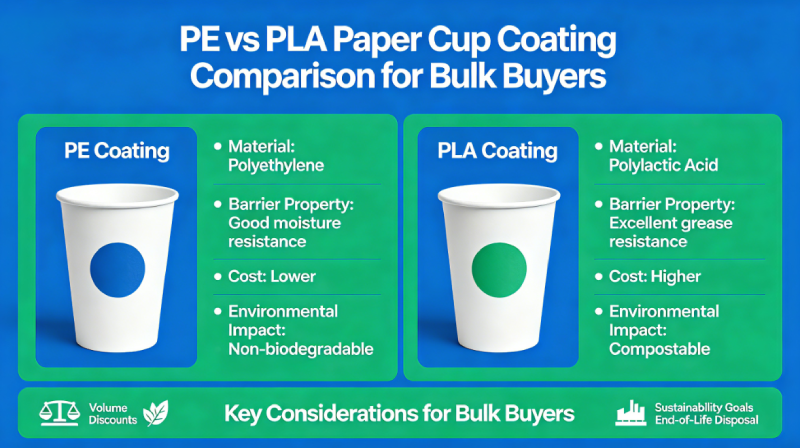
The answer depends on your business needs, target market, and priorities. Here’s a quick guide to help you decide:
Choose PE Lining If:
- You prioritize cost-effectiveness and need to keep bulk order costs low.
- Your cups will be used for hot drinks (like coffee/tea) that need long-lasting leak resistance.
- Sustainability is not a top priority for your brand or customers.
- You need a fast lead time (PE is easier to produce at scale).
Choose PLA Coating If:
- Your brand prioritizes sustainability and eco-friendliness.
- Your cups will be used for cold drinks or room-temperature foods (PLA performs better with lower temperatures).
- You’re targeting markets where eco-friendly packaging is in high demand.
Key Tips for Buying Paper Cups with the Right Inner Coating
No matter which coating you choose, there are a few critical steps to ensure you get high-quality, compliant paper cups for your bulk order:
1. Request samples first: Before placing a bulk order, ask for samples of both PE and PLA coated cups. Test them with your specific liquids (hot/cold) to see which performs better for your needs.
2. Check coating thickness: A thicker coating (0.015-0.02mm) will provide better leak resistance. Avoid suppliers who use thin, low-quality coating to cut costs.
3. Communicate your needs clearly: Tell your supplier about your target market, the liquids your cups will hold, and any sustainability goals—they can help you choose the right coating.
Final Thoughts: Get the Right Paper Cup Inner Coating for Your Business
The paper cup inner coating is not a “one-size-fits-all” decision—PE is the reliable, cost-effective choice for most buyers, while PLA is perfect for brands prioritizing sustainability. By understanding the pros and cons of each, you can choose a coating that meets your quality, compliance, and budget needs, and avoid the common mistakes that many international buyers make when importing bulk paper cups from China.
At our factory, we specialize in producing both PE lining paper cup and PLA coated paper cup options. We offer free samples so you can test our products before placing a bulk order, and our dedicated account managers will help you choose the right coating for your business.
Ready to find the perfect inner coating for your bulk paper cup order? Contact us today via WhatsApp or email to request your free samples and a custom quote tailored to your needs.