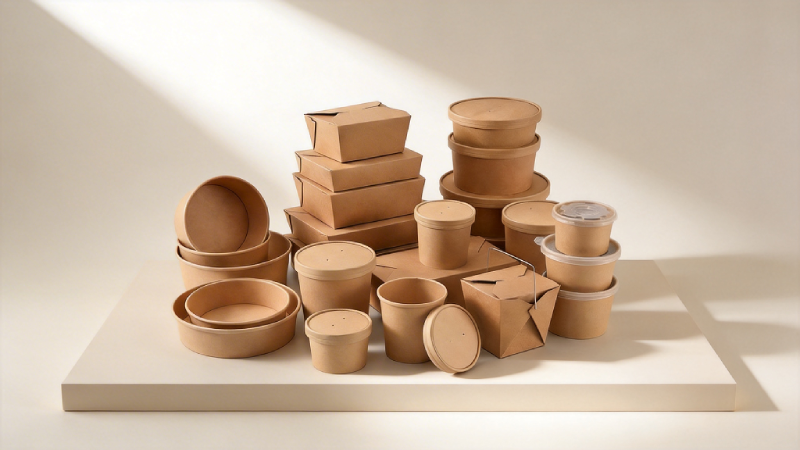
Over the past few years, we’ve noticed a clear shift in how buyers approach food packaging.
From our experience working with importers and food brands, the answer is not just about being “eco-friendly.” It’s about choosing a solution that actually works in real business conditions.
Paper food packaging offers several key advantages, including sustainability, food safety, strong branding potential, and versatility across different food applications. Compared to plastic, it is easier to recycle, safer for food contact when properly produced, and better aligned with global environmental regulations and consumer expectations.
According to the U.S. Environmental Protection Agency, paper and paperboard are among the most widely recycled materials globally, making them a more sustainable packaging option.
Why Paper Packaging Is Becoming the Preferred Choice
Environmental Pressure Is Increasing
Governments worldwide are tightening restrictions on single-use plastics.
For example, the European Union has introduced regulations to reduce plastic waste and promote sustainable alternatives:
This means many businesses are not just choosing paper—they are being pushed toward it.
Customers Expect Better Packaging
End consumers today are more aware than ever.
Packaging is no longer just functional.
It reflects your brand values.
In our experience, switching to paper packaging often improves how customers perceive a product—especially in takeaway and delivery scenarios.
Key Advantages of Paper-Based Food Packaging
1. Eco-Friendly and Sustainable
Paper packaging is made from renewable resources like wood pulp.
When sourced responsibly, it is:
- Recyclable
- Biodegradable
- Lower impact compared to plastic
For buyers, this is not just about sustainability—it’s about staying competitive in a changing market.
2. Food Safety and Compliance
Food safety is where paper packaging really matters.
When produced correctly, paper packaging:
- Uses food-grade raw materials
- Applies safe coatings and inks
This is especially critical for:
- hot food
- oily food
- long delivery times
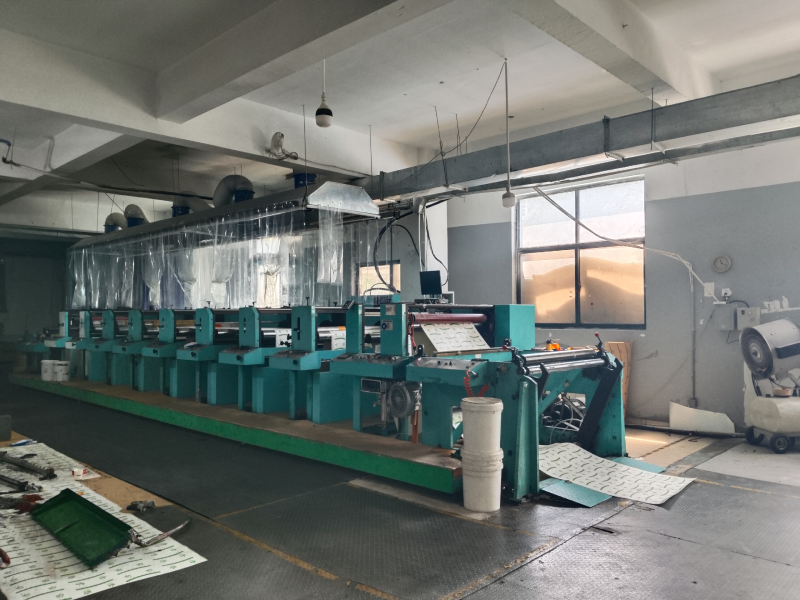
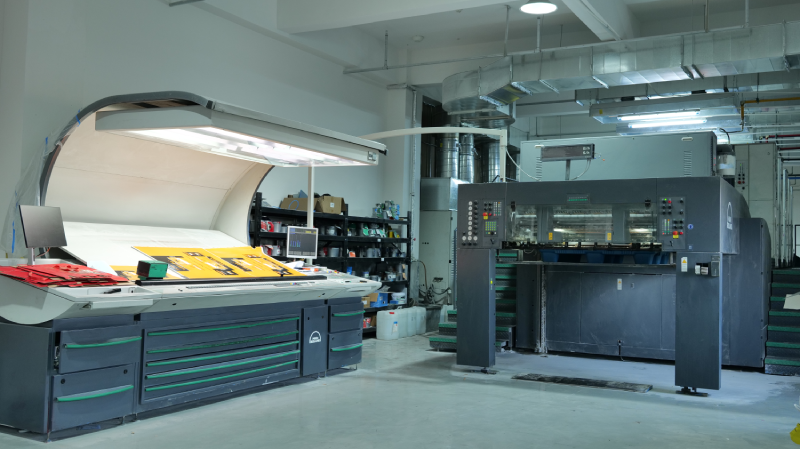
3. Strong Branding and Custom Printing
One advantage many buyers underestimate is branding.
Paper packaging is ideal for printing:
- logos
- patterns
- product information
This is why custom printed packaging is widely used in:
- coffee shops
- fast food chains
- takeaway brands
From our experience, good packaging design can directly improve customer retention.
4. Versatility Across Food Applications
This is where paper packaging really stands out.
It is not one product—it’s a system.
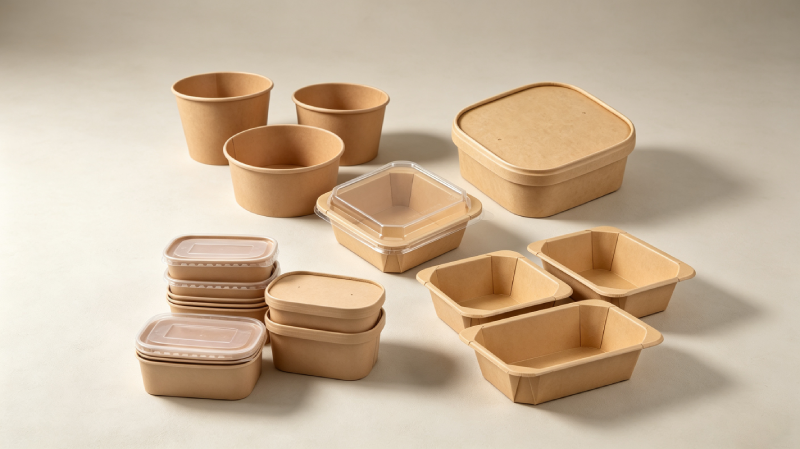
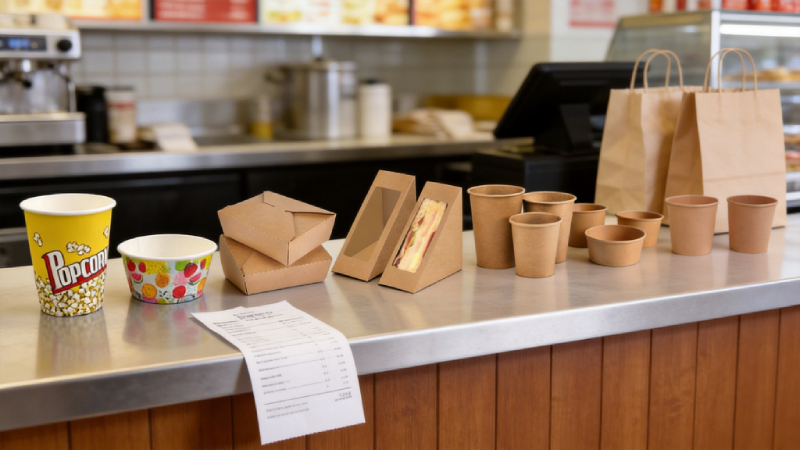
We typically see it used across:
Takeaway Boxes
For burgers, noodles, and rice meals
Requires structure + oil resistance
Paper Bowls & Soup Containers
For hot and liquid food
Requires leak-proof coating
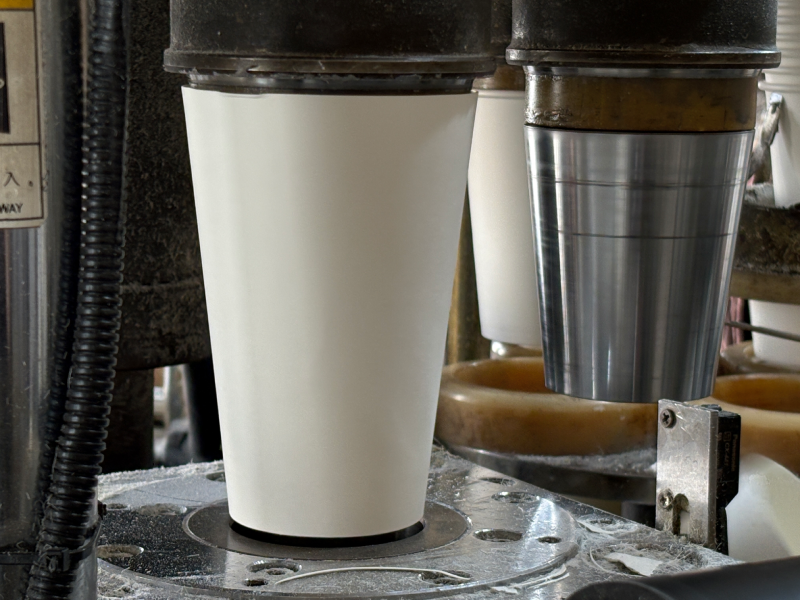
Paper Cups
For hot and cold drinks
Requires insulation and lining
Greaseproof Papers
For wrapping fried food and sandwiches
Requires oil resistance and correct GSM
Each application solves a different problem, but all rely on the same core advantage—flexibility.
5. Cost-Effective for Bulk Orders
Many buyers assume paper packaging is more expensive.
In reality, it depends on:
- material selection
- order quantity
- logistics
In bulk production, paper packaging can be highly competitive—especially when you factor in:
- reduced customer complaints
- better brand perception
- compliance with regulations
How Paper Packaging Performs in Real Use
From what we see in real projects, performance matters more than theory.
A well-designed paper takeaway box should:
- hold its shape
- resist oil
- protect food during delivery
A paper bowl should:
- handle heat
- prevent leaks
Greaseproof paper should:
- wrap tightly
- block oil transfer
This is why material selection, coating, and GSM all work together.
Common Concerns Buyers Have (And the Reality)
Is Paper Strong Enough?
Yes—if designed correctly. Structure and thickness matter more than material type alone.
Can It Handle Oil and Moisture?
Yes—with proper coating and greaseproof paper.
This is one of the most important technical points buyers should verify.
Is It Really Eco-Friendly?
It depends on sourcing and production.
Certified materials (like FSC) are a good indicator of sustainability.
Conclusion
Paper food packaging is not just a trend—it’s a practical solution.
From our experience, the real advantage comes from choosing the right materials and supplier. When done correctly, it improves safety, branding, and long-term business performance.
Looking for a Reliable Paper Food Packaging Manufacturer?
We manufacture high-quality disposable paper cup and food packaging, including paper cups, paper bowls, takeaway boxes, food containers, and paper bags.As a factory with a full production line, we support wholesale custom printing for bulk paper packaging orders.
→ Explore Our Custom Paper Packaging Solutions
→ Contact Us for Samples, Specifications & OEM Support
Let our team help you choose the right paper packaging solution for your product, market, and logistics requirements.