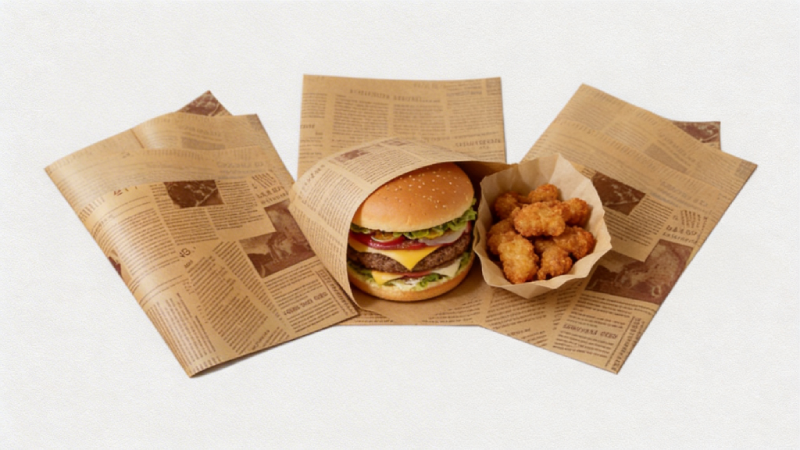
In this guide, we break it down clearly so you can make the right decision based on your actual use case.
For most takeaway applications, we recommend 35–40 GSM greaseproof paper as the best balance between cost and performance. For oily or fried foods, 40–50 GSM is more reliable to prevent leakage and maintain packaging integrity during delivery. Lower GSM (below 35) is only suitable for dry, low-grease foods.
Why GSM Matters More Than Most Buyers Expect
What GSM Really Means
GSM (grams per square meter) measures the weight and density of paper.
In practical terms, higher GSM means:
- Thicker paper
- Better strength
- Improved oil resistance
The Link Between GSM and Grease Resistance
Many buyers assume grease resistance comes only from coating. That’s not entirely true.
Higher GSM paper has a denser fiber structure, which naturally slows oil penetration.
From our production experience, GSM and coating must work together—not separately.
The Cost vs Performance Reality
Here’s something we often tell our clients:
- Too low GSM → complaints, leaks, product returns
- Too high GSM → unnecessary cost, reduced competitiveness
The goal is not to choose the highest GSM.
It’s to choose the right GSM.
Common GSM Options (And When to Use Them)
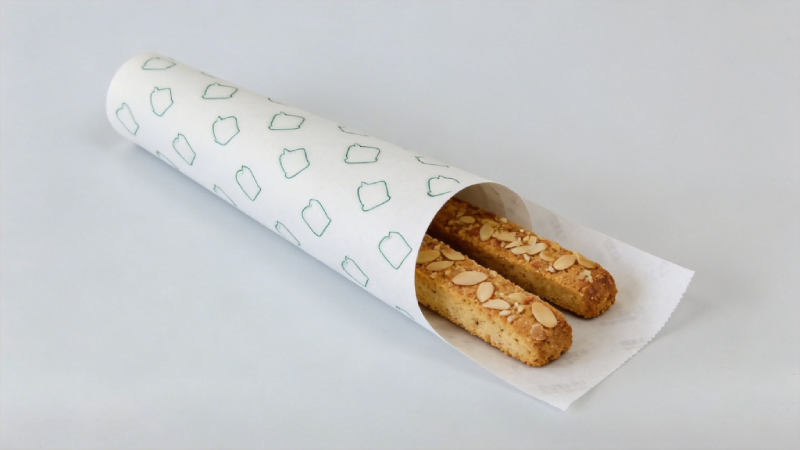
28–35 GSM: Lightweight and Cost-Driven
Best for:
- Bread
- Pastries
- Dry snacks
Advantages:
- Lowest cost
- Good for high-volume usage
Limitations:
- Not suitable for oily or fried foods
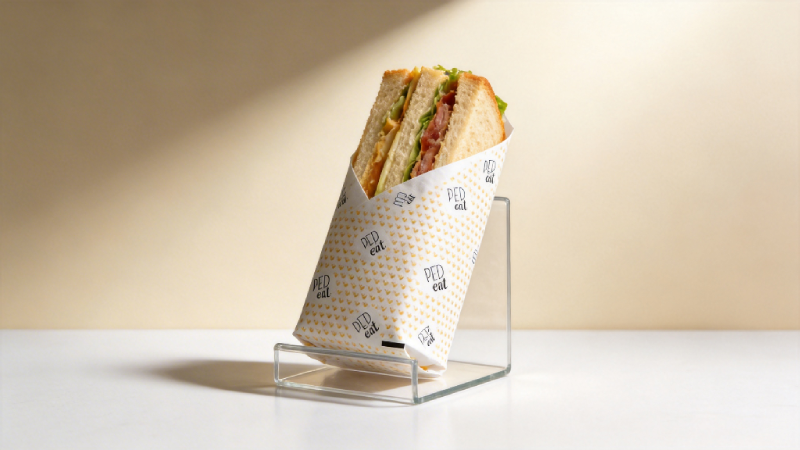
35–40 GSM: The Industry Standard
Best for:
- Burgers
- Sandwiches
- Light takeaway meals
Why we recommend it:
- Balanced cost and grease resistance
- Works well in most real-world scenarios
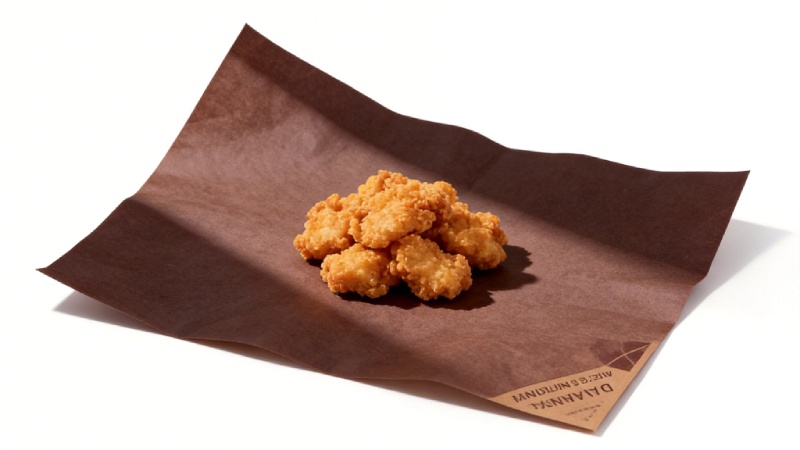
40–50 GSM: High Grease Protection
Best for:
- Fried chicken
- French fries
- Oily street food
Advantages:
- Strong oil barrier
- Better customer experience (no greasy hands)
50+ GSM: Premium Positioning
Best for:
- High-end food brands
- Long delivery times
- Heavy oil content
But here’s the truth:
Most buyers don’t actually need this level unless branding or performance demands it.
How We Help Buyers Choose the Right GSM
Step 1: Understand Your Food Type
Ask yourself:
- Is it dry?
- Is it oily?
- Does it contain sauce?
This is the starting point of everything.
Step 2: Consider Delivery Conditions
Long delivery times increase:
- Heat exposure
- Oil migration
- Moisture buildup
Higher GSM becomes more important here.
Step 3: Align with Your Brand Position
Your packaging sends a message:
- Thin paper → budget perception
- Thick paper → premium feel
We often see buyers underestimate this.
Step 4: Always Test Before Ordering
Even with experience, we always recommend sampling.
Because real food behaves differently than theory.
Conclusion
Choosing the right GSM is about balance. In most cases, 35–40 GSM works perfectly, while oily foods need 40–50 GSM.
From our experience, testing and real usage matter more than theory—get samples, test them, and choose what truly performs.
Looking for a Reliable Paper Food Packaging Manufacturer?
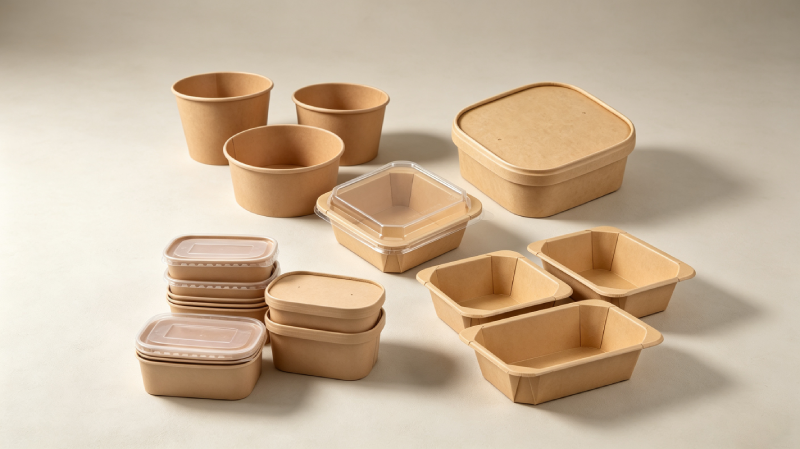
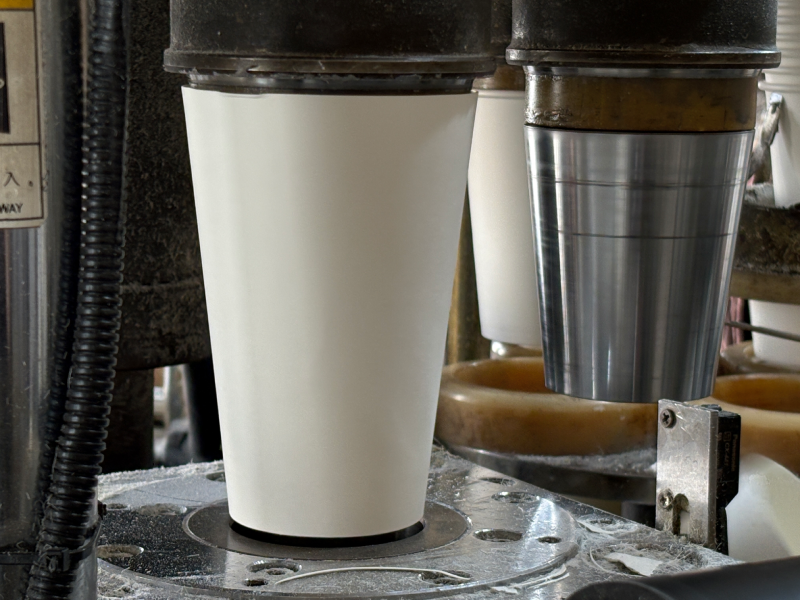
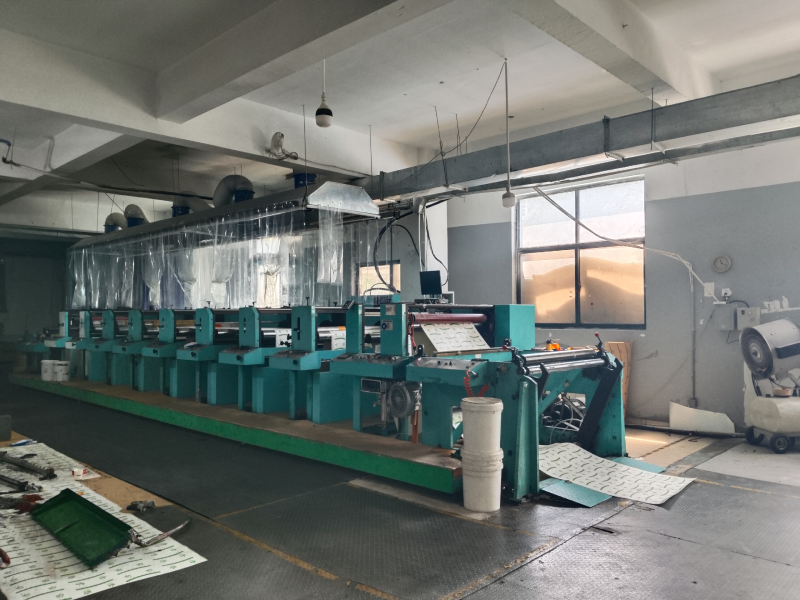
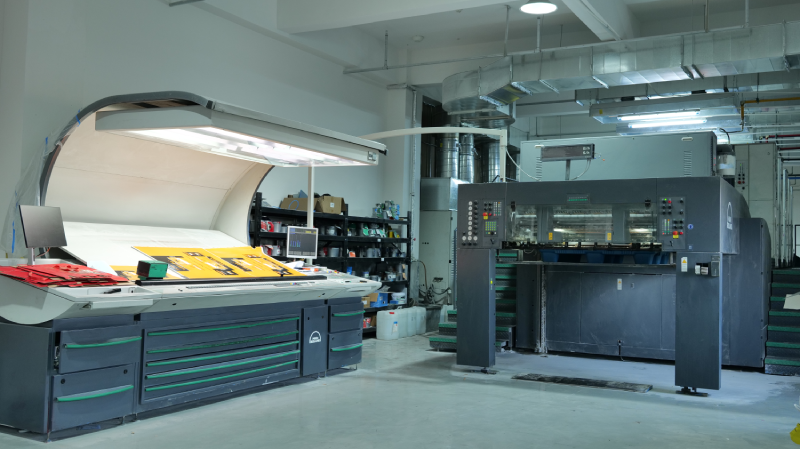
We manufacture high-quality disposable paper cup and food packaging, including paper cups, paper bowls, takeaway boxes, food containers, and paper bags.As a factory with a full production line, we support wholesale custom printing for bulk paper packaging orders.
→ Explore Our Custom Paper Packaging Solutions
→ Contact Us for Samples, Specifications & OEM Support
Let our team help you choose the right paper packaging solution for your product, market, and logistics requirements.