Importing disposable paper cups looks simple at first.
You compare prices.
Choose a supplier.
Place an order.
But many buyers later discover something frustrating.
The final landed cost is far higher than expected.
Shipping, packaging, inefficient container loading, and incorrect specifications can quickly increase the total cost.
The most effective way to reduce the import cost of disposable paper cups is to optimize five key factors: cup structure, size planning, container loading, coating material, and supplier type. When these elements are planned correctly, buyers can significantly reduce their total procurement cost while maintaining product quality.
Why Import Cost Is More Than Just Unit Price
Many buyers focus only on the price per cup.
However, the real cost of importing paper cups includes:
- manufacturing price
- shipping cost
- customs duties
- packaging efficiency
- rejected products
- storage space
According to global trade statistics from the World Trade Organization, logistics can represent a major share of international product costs in supply chains.
This means reducing cost is not only about negotiating a cheaper unit price.
It is about optimizing the entire supply chain.
1. Choose the Right Paper Cup Structure
One of the most effective ways to reduce import costs is choosing the correct paper cup structure.
Different cup types use different materials, production processes, and packaging methods. These differences directly affect unit price, shipping volume, and final profit margins.
Below are the most common disposable paper cup types used in the global foodservice industry.
Single Wall Paper Cup
The single wall paper cup is the most widely used disposable cup in the market.
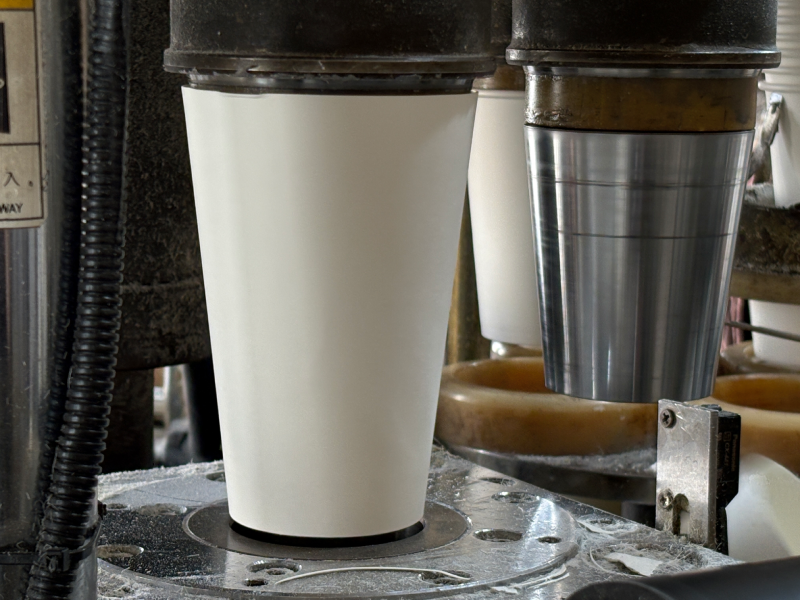
It consists of one layer of food-grade paperboard with a PE or PLA coating inside. Because the structure is simple, the production cost is lower and the cups are lighter for shipping.
Single wall cups are commonly used for:
- Coffee shops
- Tea stores
- Offices
- Events and exhibitions
Many buyers also combine them with cup sleeves to provide heat protection while keeping the base cost low.
Double Wall Paper Cup
A double wall paper cup has two layers of paperboard.
The inner cup holds the beverage, while the outer layer provides insulation and a better grip. This design improves user comfort when holding hot drinks.
Advantages include:
- Better heat insulation
- No need for additional sleeves
- Premium appearance for branding
However, the additional material increases both production cost and shipping volume.
Ripple Wall Paper Cup
The ripple wall paper cup (also called a corrugated paper cup) features a textured outer layer.
This ripple structure creates an air gap between the layers, which improves insulation while using less paperboard compared to a flat double wall cup.
Many cafés prefer ripple cups because they offer:
Excellent heat insulation
Strong grip
Distinctive visual texture
Strong brand perception
From an importer’s perspective, ripple cups often provide a balance between insulation performance and material cost.
Cold Drink Paper Cup
Unlike the previous three types, cold drink paper cups are designed specifically for cold beverages.
They are usually single-wall cups, but the paperboard is optimized for moisture resistance and condensation.
These cups are widely used for:
- Soft drinks
- Juice
- Iced coffee
- Smoothies
Cold drink cups typically require heavier paperboard or double PE coating to prevent leakage caused by melting ice.
In many cases:
- Single wall cups + sleeves can reduce cost.
- Ripple cups can eliminate sleeves entirely.
- Cold drink cups need stronger coating but simpler structure.
Choosing the right combination can significantly reduce both manufacturing and shipping costs.
2. Optimize Paper Cup Size Planning
Cup size selection has a direct impact on manufacturing efficiency.
Common industry sizes include:
- 4oz
- 6oz
- 8oz
- 12oz
- 16oz
- 20oz
These sizes have standardized tooling.
When buyers request non-standard sizes, factories often need custom molds.
This increases:
- tooling cost
- production time
- minimum order quantities
Using standard sizes allows factories to run high-efficiency production lines.
When possible, I always recommend that buyers align with standard global cup sizes.
3. Improve Container Loading Efficiency
Shipping is often the largest hidden cost when importing disposable packaging.
Paper cups are lightweight but bulky.
This means transportation cost is determined more by volume than weight.
For example:
- poor carton design wastes container space
- inefficient stacking reduces loading capacity
- unnecessary packaging increases volume
Optimizing carton dimensions can significantly increase container utilization.
A well-planned packaging structure can sometimes increase container loading efficiency by 20–30%.
That directly reduces freight cost per unit.
4. Choose the Right Coating Material
Disposable paper cups require a liquid barrier.
The two most common coatings are:
- PE coating (polyethylene)
- PLA coating (plant-based bioplastic)
PE is the traditional option.
It is widely used and cost-effective.
PLA is compostable under industrial composting conditions.
However, PLA material is usually more expensive than PE.
International compostability standards such as ASTM D6400 define requirements for compostable plastics.
Buyers should choose the coating based on:
- environmental regulations
- market demand
- product positioning
Not every market requires PLA.
Selecting the correct coating can significantly affect the final cost.
5. Work Directly With a Paper Cup Manufacturer
One of the biggest cost differences in international procurement comes from the supply chain structure.
There are three common sourcing options:
- trading companies
- sourcing agents
- direct manufacturers
Buying directly from a factory can reduce:
- intermediary margins
- communication delays
- product specification errors
It also allows better control over:
- customization
- production schedule
- quality inspection
For buyers building their own brand, direct manufacturer cooperation is usually the most efficient model.
Questions Related to Paper Cup Importing
What is the cheapest type of disposable paper cup?
Single wall paper cups are usually the most economical because they use less paper and require fewer manufacturing steps.
How can I reduce shipping cost when importing paper cups?
Optimize carton size, increase container loading efficiency, and combine multiple cup sizes in one shipment.
Are PLA paper cups more expensive than PE cups?
Yes. PLA coating typically costs more because the raw material is derived from biopolymers and requires specialized production.
What is the standard MOQ for custom paper cups?
Most factories require 30,000–50,000 cups per size per design, depending on printing complexity.
Does cup size affect manufacturing cost?
Yes. Non-standard cup sizes may require custom molds and increase production costs.
More Related Questions
Many importers also ask about:
- paper cup lid compatibility
- custom logo printing cost
- PE vs water-based coating
- sustainable packaging regulations
These topics are part of the broader paper cup sourcing strategy.
Conclusion
Reducing the import cost of disposable paper cups is not about finding the lowest unit price.
It is about optimizing structure, size, logistics, materials, and supplier relationships.
When these elements are aligned, importers can achieve lower costs, stable quality, and predictable supply.
Looking for a Reliable Paper Food Packaging Manufacturer?
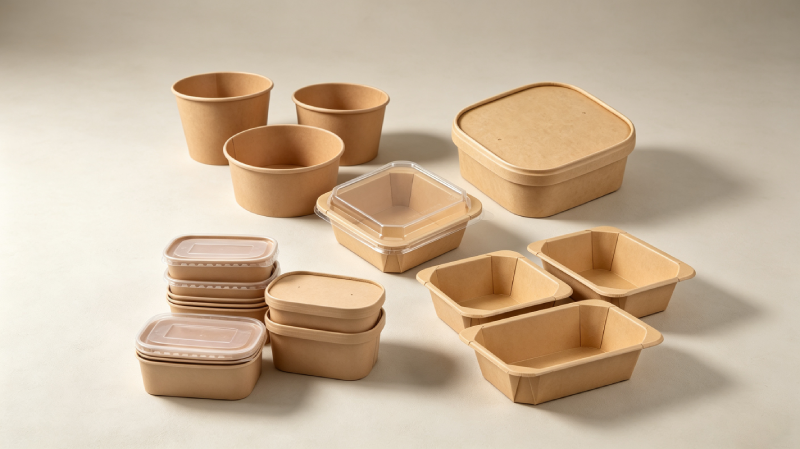
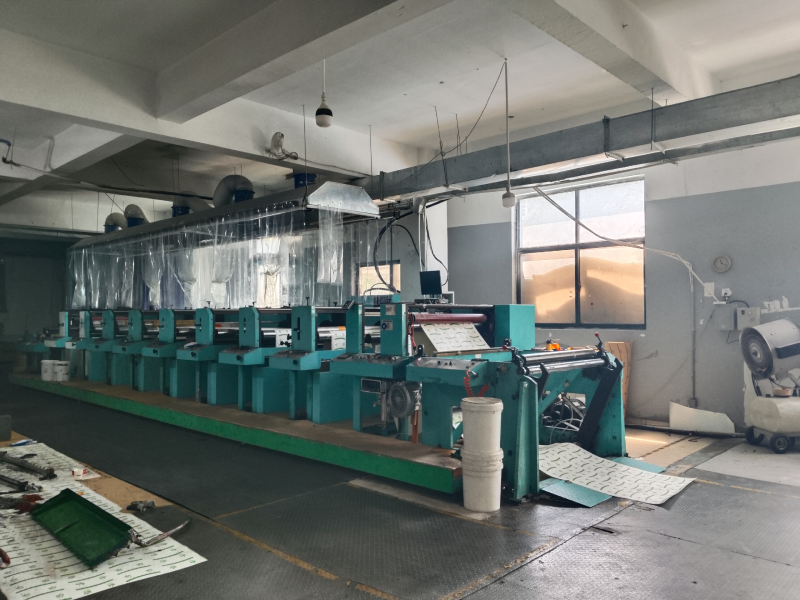
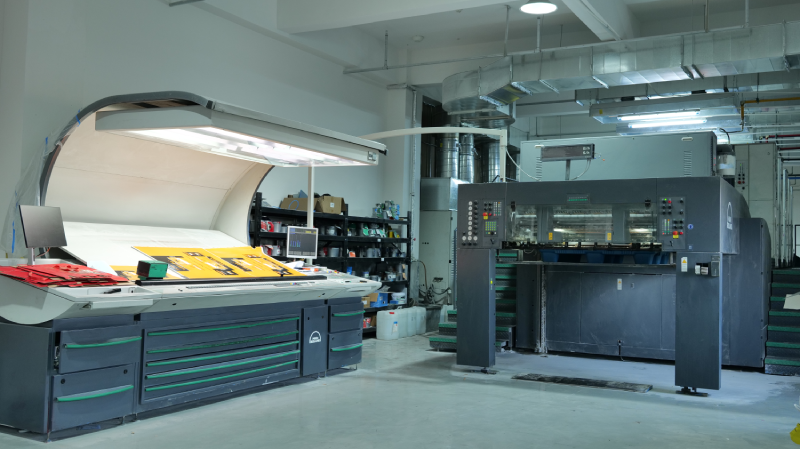
We manufacture high-quality disposable paper cup and food packaging, including paper cups, paper bowls, takeaway boxes, food containers, and paper bags.As a factory with a full production line, we support wholesale custom printing for bulk paper packaging orders.
→ Explore Our Custom Paper Packaging Solutions
→ Contact Us for Samples, Specifications & OEM Support
Let our team help you choose the right paper packaging solution for your product, market, and logistics requirements.