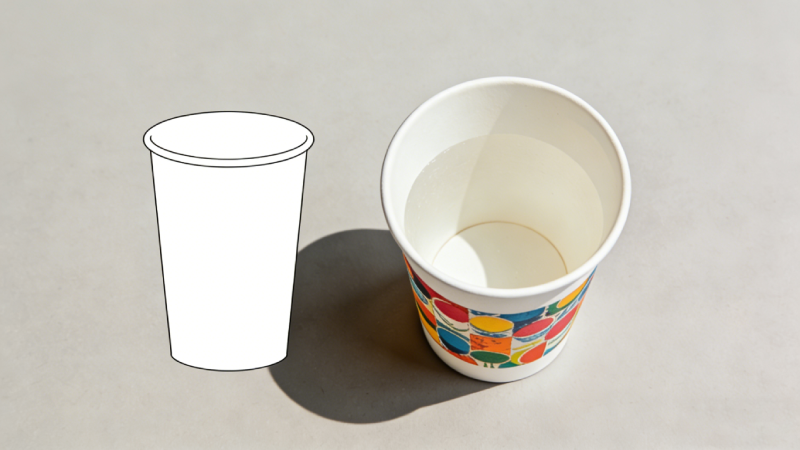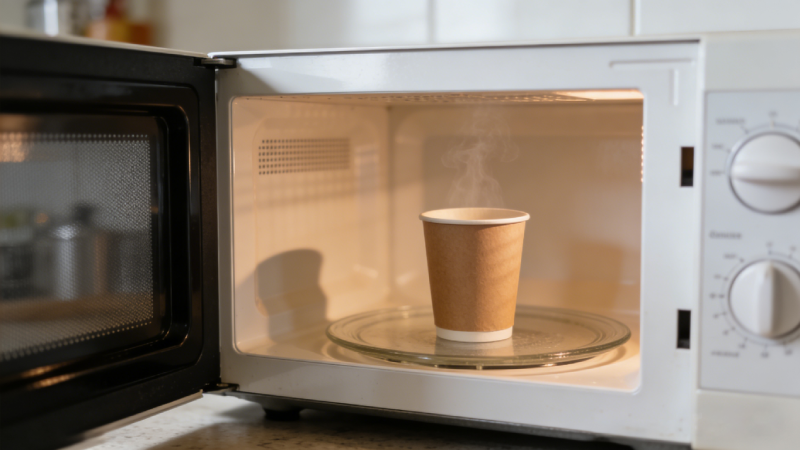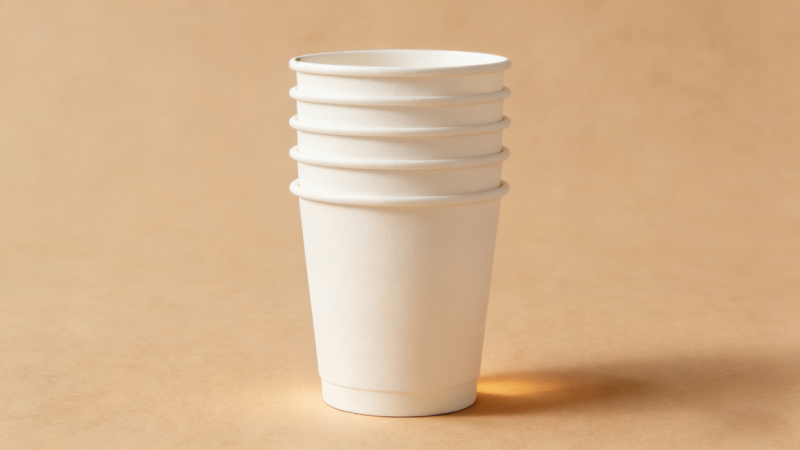
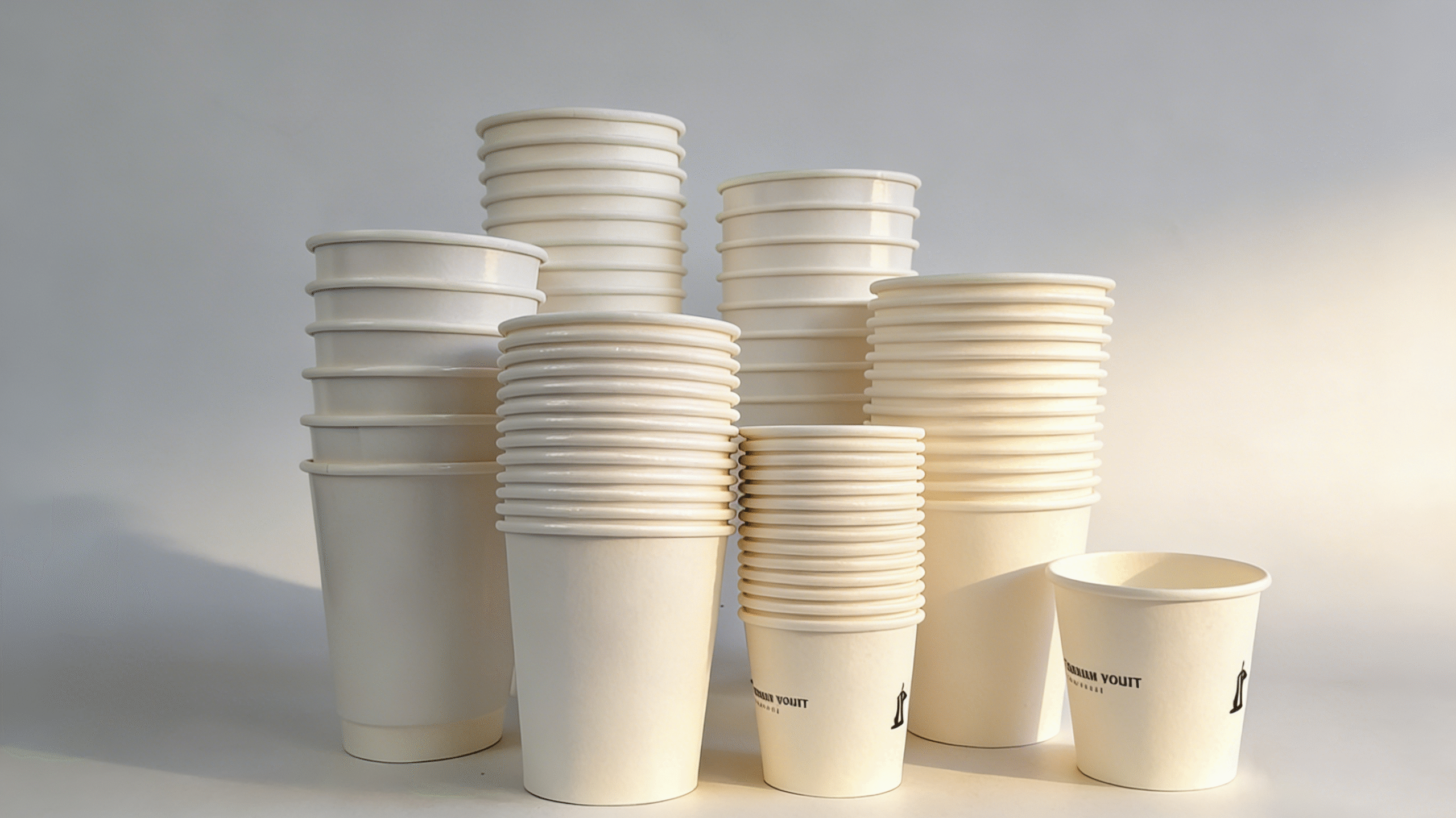
Paper cups are not complicated.
Use cases are.
Many buyers assume paper cups are primarily differentiated by size.
In reality, function comes first, and size follows.
Different beverages place very different demands on paper cups — from heat resistance and insulation to condensation control and structural strength. Understanding these distinctions is essential when choosing the right paper cup for commercial use.
This article provides a practical breakdown of paper cup types, based on real usage scenarios rather than generic classifications.
What Are Paper Cups Used For?
Paper cups are widely used across food service and beverage industries, including:
- Coffee and tea shops
- Fast food restaurants
- Beverage chains
- Catering and takeaway services
Depending on whether the drink is hot or cold, and how it is consumed, the required paper cup structure and material can vary significantly.
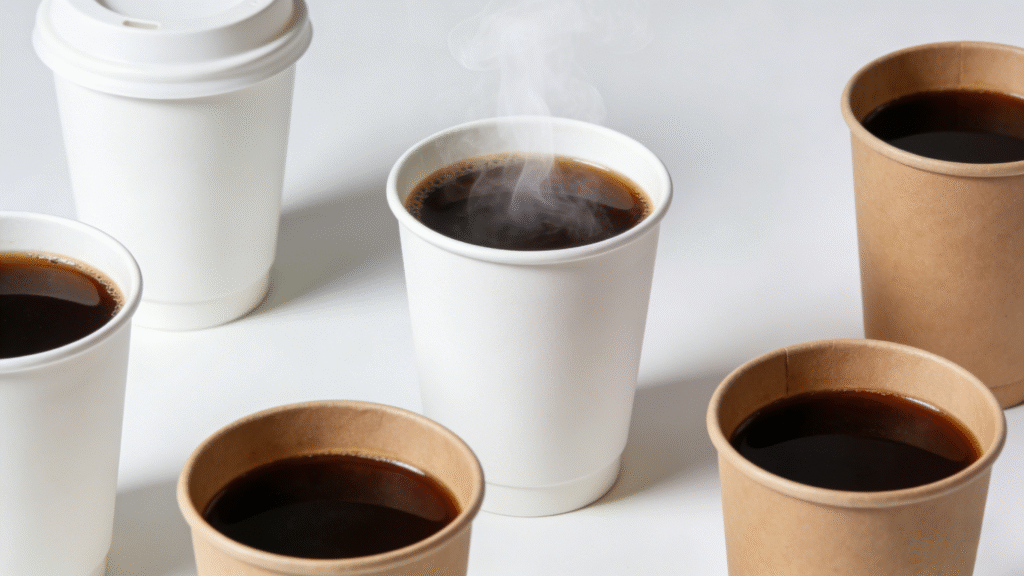
Hot Beverage Paper Cups (For Coffee, Tea & Hot Drinks)
Hot beverage paper cups are designed to withstand high temperatures while remaining safe and comfortable to hold.
Key Characteristics
- Heat-resistant paperboard
- Inner coating to prevent leakage
- Structural rigidity to maintain shape
Without proper insulation, hot cups may become uncomfortable to hold or deform during use.
Cold Beverage Paper Cups (For Iced Drinks & Soft Drinks)
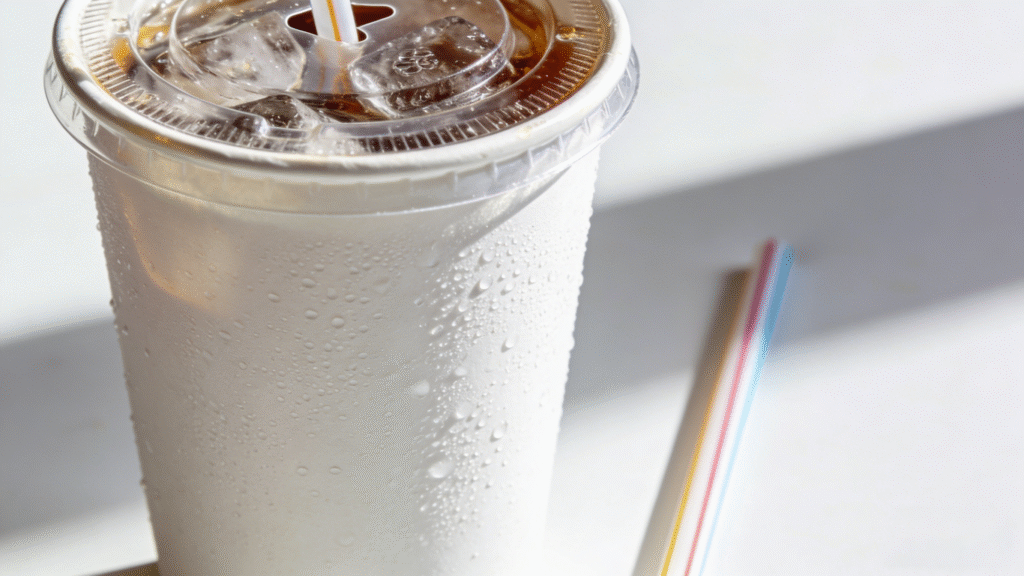
Cold beverage paper cups face a different challenge: condensation.
When cold drinks are served, moisture forms on the outer surface of the cup. If the paper quality or coating is insufficient, the cup can soften and lose strength.
Typical Issues
- Softening of the cup wall
- Loss of rigidity over time
- Increased risk of leakage
Proper material selection is critical for cold drink applications, especially for takeaway use.
Structural Types of Paper Cups
From a structural perspective, paper cups are further classified by wall construction, which directly affects insulation, handling comfort, and production cost.
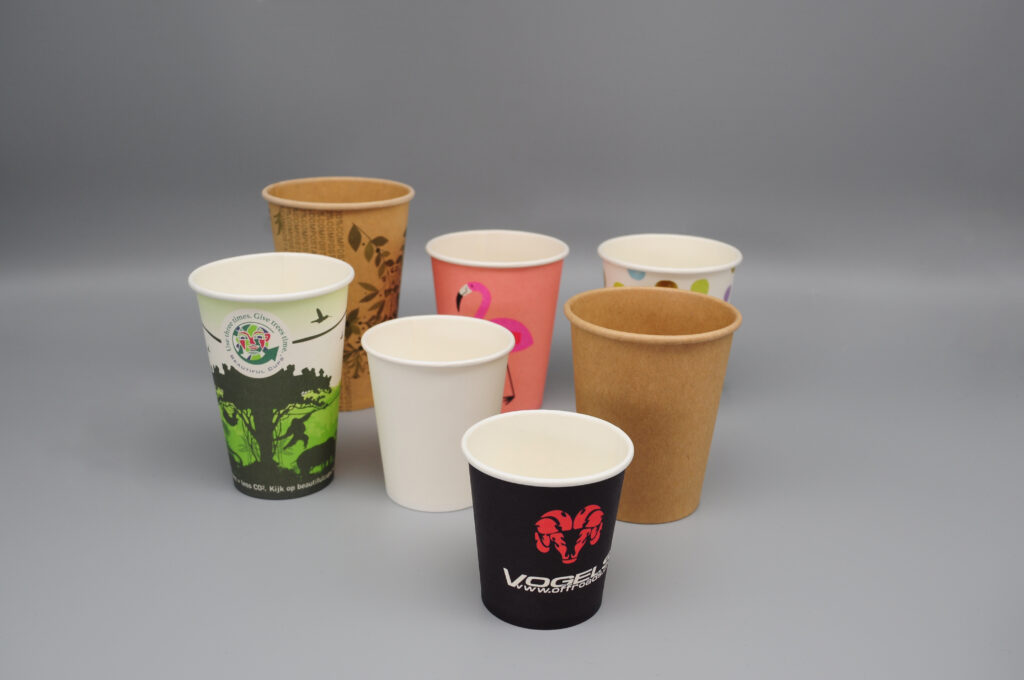
Single Wall Paper Cups
Single wall paper cups consist of one layer of paperboard with an internal coating.
Common Uses:
- Water
- Cold beverages
- Short-term hot drink consumption
Limitations:
- Limited insulation
- Hot drinks may require sleeves
Single wall cups are cost-effective and commonly used for high-volume orders.
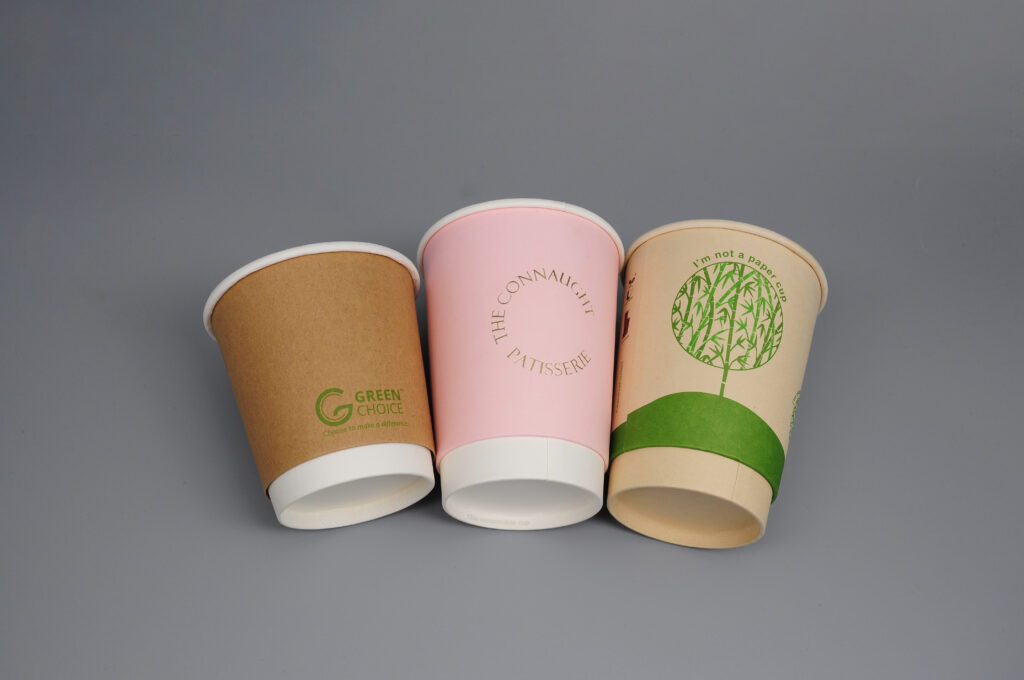
Double Wall Paper Cups
Double wall paper cups feature two layers of paperboard, creating an insulating air gap.
Advantages:
- Improved heat insulation
- More comfortable handling
- No need for external sleeves
These cups are commonly used for coffee and tea takeaway.
Ripple Wall Paper Cups
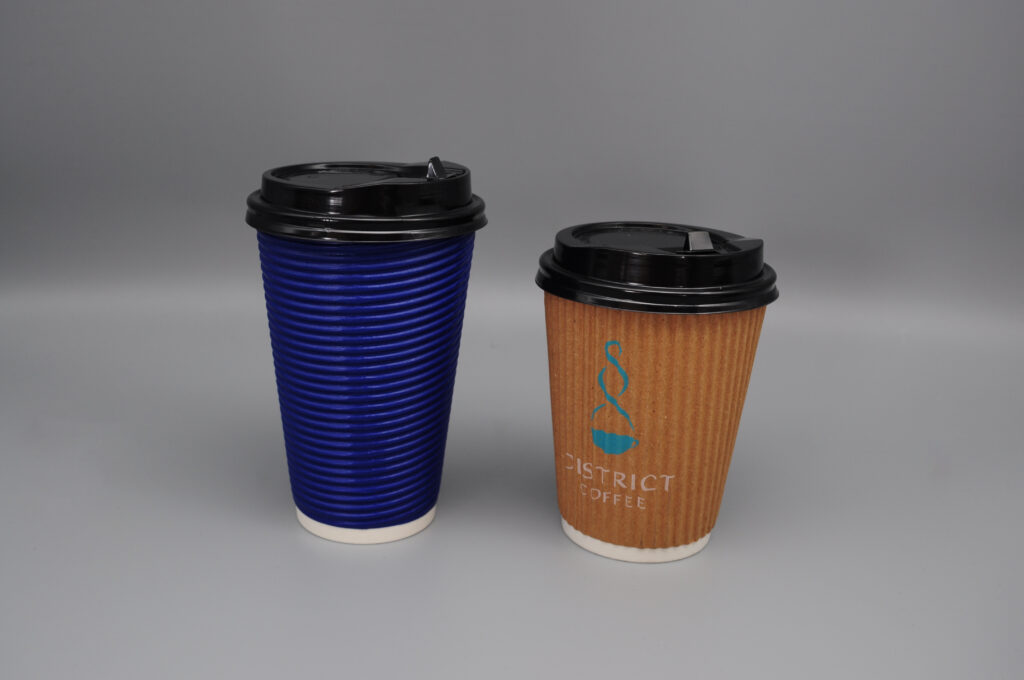
Ripple wall paper cups use a corrugated outer layer to enhance insulation and grip.
Advantages:
- Excellent heat protection
- Strong visual appearance
- Enhanced branding potential
Because of their structure, ripple cups are often chosen for premium beverage offerings.
Paper Cup Sizes and Capacity
While structure and function come first, capacity still matters.
Common paper cup sizes include:
- Small (4–8 oz)
- Medium (10–12 oz)
- Large (14–20 oz)
Cup size selection should always be aligned with drink type and serving format, not chosen in isolation.
Material Considerations for Paper Cups
Paper cups are typically produced using:
- White paperboard (SBS)
- Kraft paperboard
- Food-grade inner coatings
Material choice affects:
- Heat resistance
- Oil and moisture performance
- Printing quality
For commercial and wholesale buyers, consistency in material quality is critical for stable supply.
Frequently Asked Questions About Paper Cup Types
What is the difference between single wall and double wall paper cups?
Single wall cups use one layer of paperboard, while double wall cups provide additional insulation through a second layer.
Which paper cup is best for hot drinks?
Double wall and ripple wall paper cups are commonly used for hot beverages due to better insulation.
Are paper cups suitable for cold drinks?
Yes, when produced with appropriate materials and coatings, paper cups perform well for cold beverages.
Paper Cup Types in Commercial Production
In large-scale production, these distinctions are not theoretical.
Different paper cup types require different paper grades, forming processes, and quality control standards. For this reason, wholesale buyers typically confirm real usage scenarios before finalizing specifications.
Understanding paper cup types helps buyers avoid mismatches between design expectations and actual performance in the field.
Conclusion
Paper cups may appear simple, but their performance depends heavily on function, structure, and material selection.
By understanding the different types of paper cups — hot vs. cold, single wall vs. double wall, and ripple wall designs — buyers can make more informed decisions for real-world use.
For commercial applications, choosing the right paper cup type is not just about appearance, but about reliability, consistency, and suitability for large-scale supply.
Looking for a Reliable Paper Food Packaging Manufacturer?
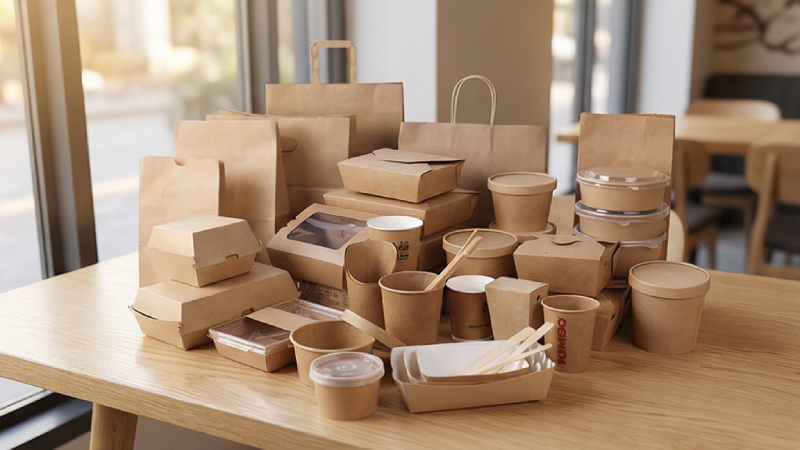
We manufacture high-quality disposable paper cup and food packaging, including paper cups, paper bowls, takeaway boxes, food containers, and paper bags.As a factory with a full production line, we support wholesale custom printing for bulk paper packaging orders.
→ Explore Our Custom Paper Packaging Solutions
→ Contact Us for Samples, Specifications & OEM Support
Let our team help you choose the right paper packaging solution for your product, market, and logistics requirements.