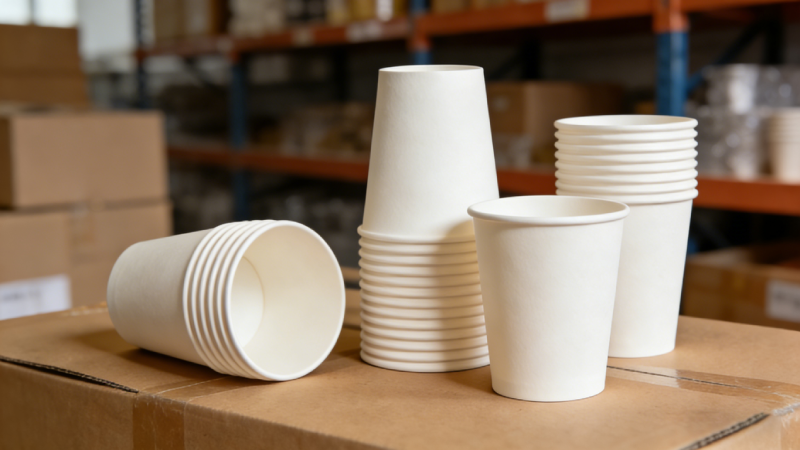
If you search online for advice about importing paper cups from China,
you will find plenty of promises.
Low cost.
Fast production.
Easy customization.
All of that can be true.
But it is never the full story.
Paper cups are one of those products that look simple on the surface
and become complicated only after you place a real order.
This article is written for buyers who want fewer surprises
and more predictable results.
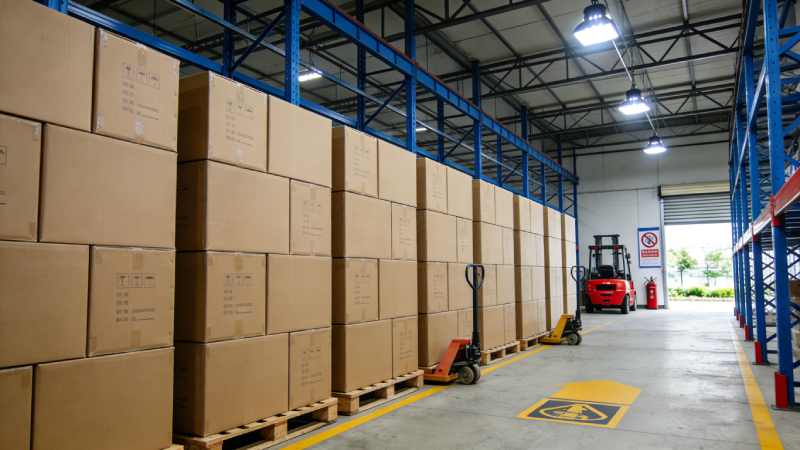
Paper Cups Are Not a Single Product
Many buyers start with the assumption that a paper cup is just paper plus coating.
That assumption causes most problems.
Paper cups vary by use temperature, holding time, drink type, filling method, and transport conditions.
A cup designed for hot coffee behaves very differently from one used for cold soda.
If you do not clearly define how the cup will be used,
the factory will make reasonable assumptions for you.
Those assumptions may not match your market.
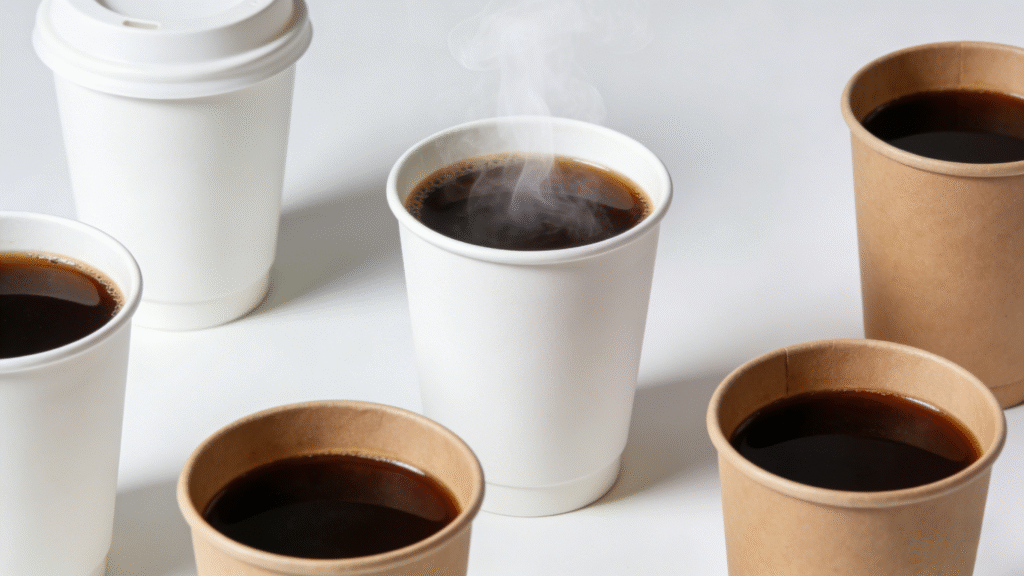
Samples Do Not Represent Full Production
This is often the first gap new buyers encounter.
Samples are usually produced slowly, carefully, and in small quantities.
Mass production is faster and less forgiving.
Small differences in paper batch, forming pressure, or coating application
can change how the cup feels in real use.
A good sample only proves that the product can be made.
It does not guarantee that every carton will feel identical.
Clear written specifications matter more than the sample itself.
Leakage Problems Often Appear After Time, Not Immediately
Many buyers test cups by pouring liquid and waiting a few seconds.
The real test is time and heat.
Some cups hold liquid perfectly at first
and begin to soften after several minutes.
This usually relates to coating choice and application method,
not paper thickness.
If your product is used for takeout, delivery, or long holding time,
that must be communicated clearly before production.
Cup Size Is Easy to Misunderstand
Volume disputes are extremely common.
Factories typically measure cup capacity when filled to the brim.
End users judge size based on comfortable fill level.
Two cups with the same stated volume
can feel very different in hand.
Cup angle, bottom diameter, and headspace all influence perception.
If size consistency matters for your brand,
dimensions should be discussed in detail, not assumed.
Shipping and Packaging Affect Final Quality
Paper cups leave the factory round and stable.
They do not always arrive that way.
Long sea transport, stacking pressure, humidity changes,
and carton strength all play a role.
Deformation after shipping is often blamed on production
when the real issue is outer packaging design.
Shipping protection should be treated as part of the product,
not an afterthought.
Printing Looks Different on Paper Than on Screen
Color complaints are rarely caused by mistakes.
Paper absorbs ink.
Speed affects ink density.
Lighting changes perception.
What looks perfect on a digital proof
will always look slightly different on paper.
Experienced buyers define acceptable color range
instead of chasing exact matches that paper cannot deliver.
Communication Gaps Create Most Disputes
Most factories do not intentionally cut corners.
Problems arise when expectations are implied rather than written.
Words like standard, normal, or regular
mean different things to different people.
Drawings, material descriptions, and confirmed specifications
reduce misunderstanding far more than repeated messages.
Silence is often interpreted as agreement.
Environmental Expectations Must Match Reality
Paper cups are often chosen for sustainability reasons.
That expectation needs clarification.
Some cups are recyclable only in specific systems.
Some coatings require industrial composting.
Some regions treat all cups as general waste.
A cup can be responsibly designed
and still not be handled correctly after use.
Environmental performance depends on local infrastructure,
not only on material choice.
Price Is Only One Part of Cost
Low unit price attracts attention.
Hidden costs appear later.
Replacements.
Customer complaints.
Reputation damage.
Experienced buyers evaluate total risk, not just quotation.
The cheapest option is rarely the least expensive in the long run.
What Makes Imports Go Smoothly
Successful buyers do not rush.
They clarify usage.
They confirm specifications.
They align expectations early.
They treat paper cups as functional packaging,
not as printed paper.
When those basics are handled properly,
importing paper cups from China can be stable, scalable, and efficient.
When they are not,
every shipment becomes a lesson.
Looking for a Reliable Paper Food Packaging Manufacturer?
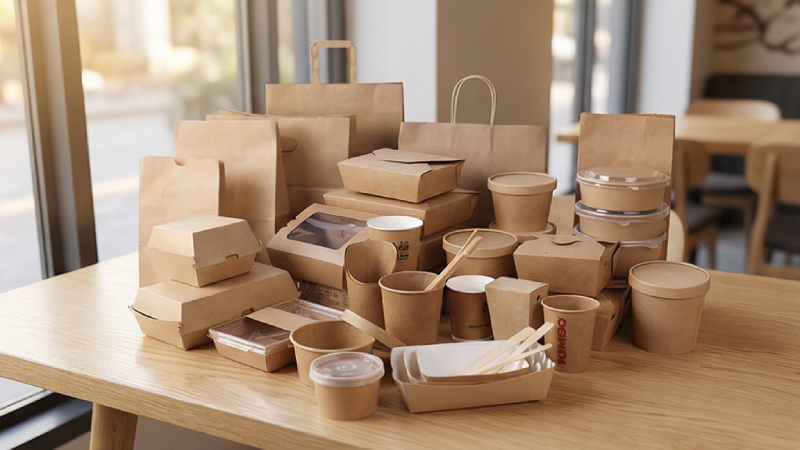
We manufacture high-quality disposable paper cup and food packaging, including paper cups, paper bowls, takeaway boxes, food containers, and paper bags.As a factory with a full production line, we support wholesale custom printing for bulk paper packaging orders.
→ Explore Our Custom Paper Packaging Solutions
→ Contact Us for Samples, Specifications & OEM Support
Let our team help you choose the right paper packaging solution for your product, market, and logistics requirements.