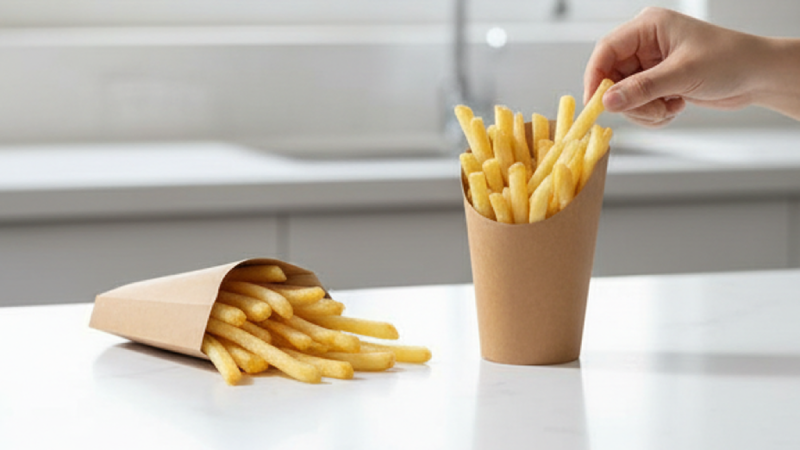
French fries packaging is often discussed as a single category.
In reality, it includes multiple structures with very different use cases.
Even small changes in the bottom shape or opening angle can affect cost, stability, and real-world performance.
That is why visually similar fries boxes often behave very differently once they are filled, stacked, and handed to customers.
In short: French fries boxes are not one product.
They are a family of structures, each designed to solve a specific operational problem.
Type 1: Sealed Fries Cup
The sealed fries cup is a round-bottom paper cup with a closed base.
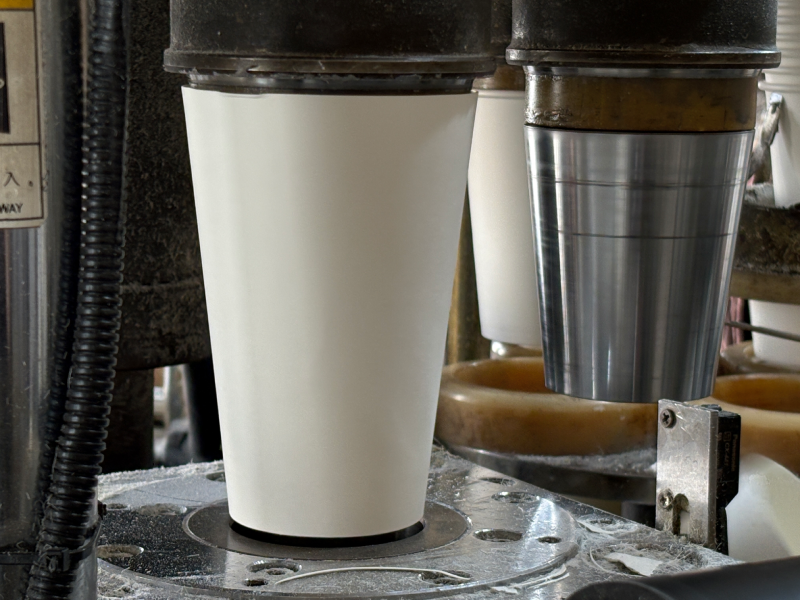
This structure is formed using cup-making equipment, similar to hot drink cups, but optimized for food rather than liquids.
The bottom is sealed using mechanical curling and heat pressure.
No pointed base.
No hand-holding requirement.
It stands securely on trays and inside delivery bags.
From a production standpoint, this type uses food-grade paperboard with an internal grease-resistant coating, commonly water-based or PLA-based depending on temperature requirements.
It is often selected for:
- Takeaway counters
- Stadium concessions
- High-volume quick service restaurants
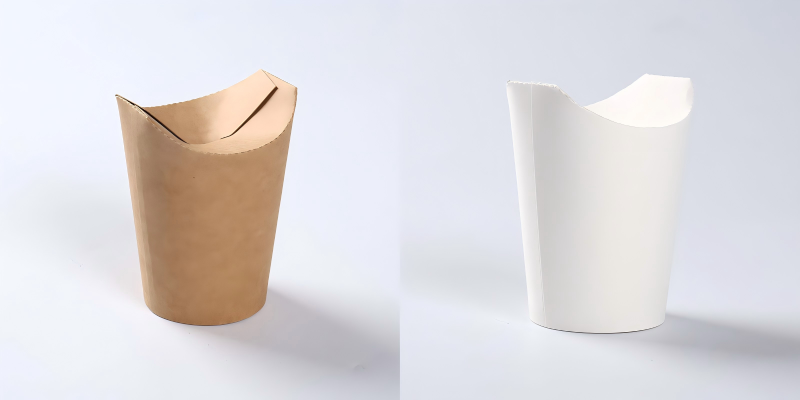
Type 2: Round Fries Cup / Fries Tub
This structure is often underestimated.
At first glance, it looks like a standard fries cup.
In reality, it belongs to a different usage category.
Round fries cups and tubs in this format are typically designed for:
- Family meals
- Sharing portions
- Group orders
- Party or takeaway bundles
Capacity is the first requirement.
Stability is the second.
Because of the larger volume, this type places much higher demands on paper strength and structural integrity.
From a manufacturing perspective, we usually increase:
- Paperboard grammage
- Sidewall rigidity
- Bottom sealing strength
A weak structure here means tipping, deformation, or leakage once filled.
That is why this type is treated more like a food tub than a simple cup during production and quality control.
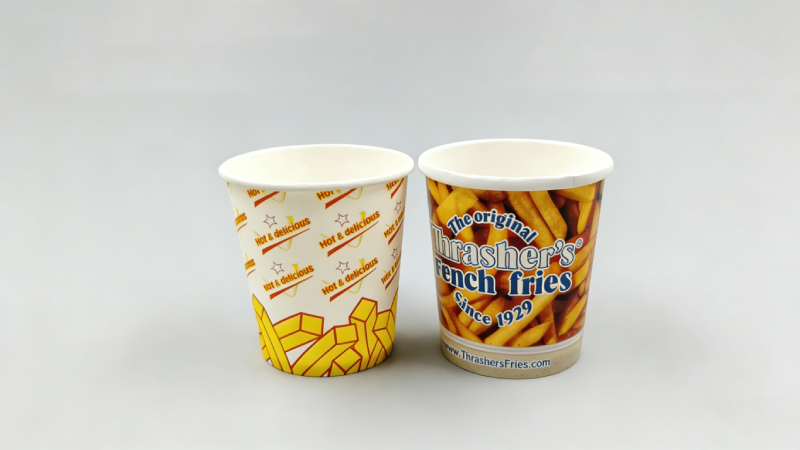
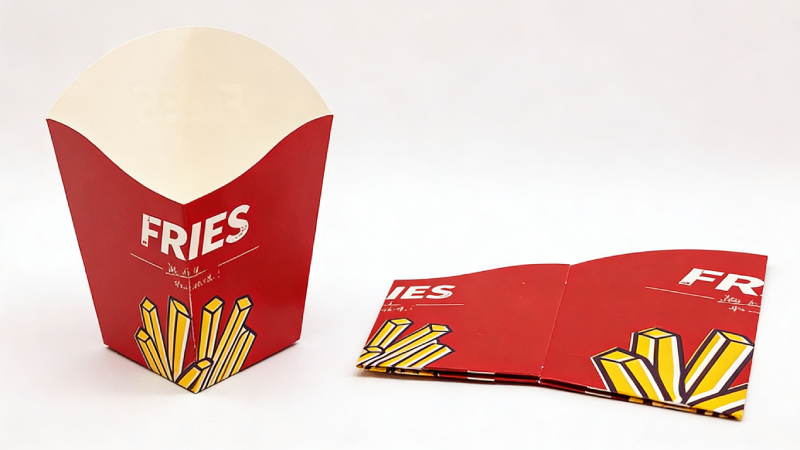
Type 3: Classic Open-Top Fries Box
This is the most recognizable fries box in global fast food.
Open top.
Front low, back high.
Folded base.
It is produced using die-cut paperboard, followed by folding and locking during packing or filling.
This structure is cost-efficient and highly stackable during transport.
However, it offers limited heat retention and no closure.That trade-off is well understood in high-speed service environments.
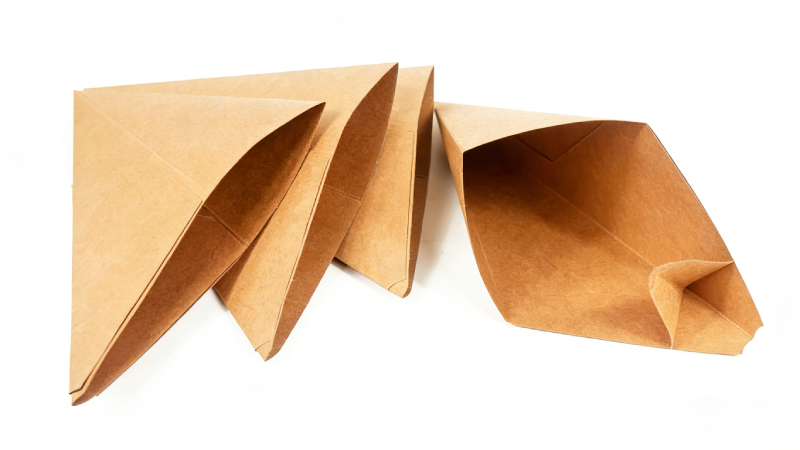
Type 4: Paper Fries Cone (Pointed Bottom)
This is a true cone structure.
Pointed bottom.
Handheld by design.
It cannot stand on its own without a holder.
The cone is formed by rolling pre-cut paper sheets and sealing the side seam.
This structure is popular in:
- Street food
- Food trucks
- Events
From a production standpoint, cones are simple but require precise seam control to prevent grease leakage.
Type 5: Diagonal-cut Fries Cup
This product is often confused with standard fries cups.
It should not be.
The angled rim is intentionally designed to improve accessibility and presentation.
Customers can reach fries more easily.
Sauce placement becomes cleaner.
Visual appeal improves.
Manufacturing-wise, this requires more precise rim forming compared to straight-cut cups.
It is commonly used for:
- Loaded fries
- Premium takeaway
- Branded presentations

Type 6: Scalloped Top Fries Box
The scalloped top is not decorative by accident.
It improves grip, airflow, and visual differentiation.
This structure is die-cut with a shaped opening before folding.
It is often chosen by brands that want a familiar fries box format with a small visual upgrade—without changing filling behavior.
Production complexity is slightly higher than standard open-top boxes, but still efficient at scale.

Type 7: Fold-Top Fries Box
This structure introduces partial closure.
The top flap helps:
- Reduce heat loss
- Limit spills during delivery
- Improve stacking in bags
It is commonly used for takeaway and delivery-focused operations.
From a manufacturing perspective, fold-top designs require tighter die-cut tolerances to ensure smooth closing during fast service.

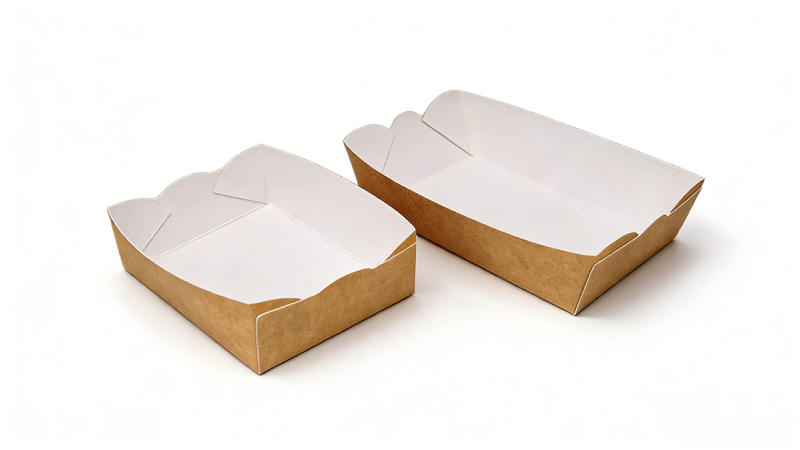
Type 8: Tray-Style Fries Box
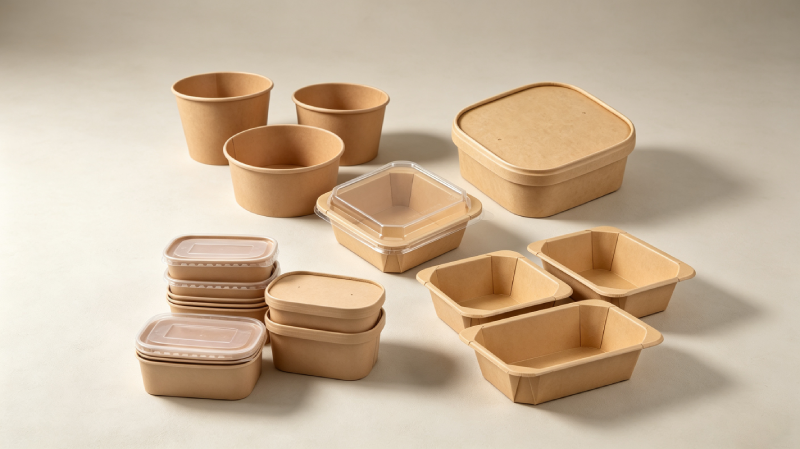
Tray-style boxes are designed for sharing and dipping.
Wide opening.
Shallow depth.
They are often paired with sauce cups and used for dine-in or group orders.
These boxes prioritize accessibility over heat retention.
Production is straightforward, but material selection is important to maintain rigidity across a wide surface.
How to Choose the Right French Fries Packaging
When sourcing wholesale French fries packaging, buyers should consider the following factors:
Oil Resistance
Greaseproof or coated paper helps prevent leakage and maintains package integrity.
Ventilation
Proper airflow reduces steam buildup and keeps fries crispy.
Strength & Structure
Thicker paperboard improves stability during transport.
Custom Printing
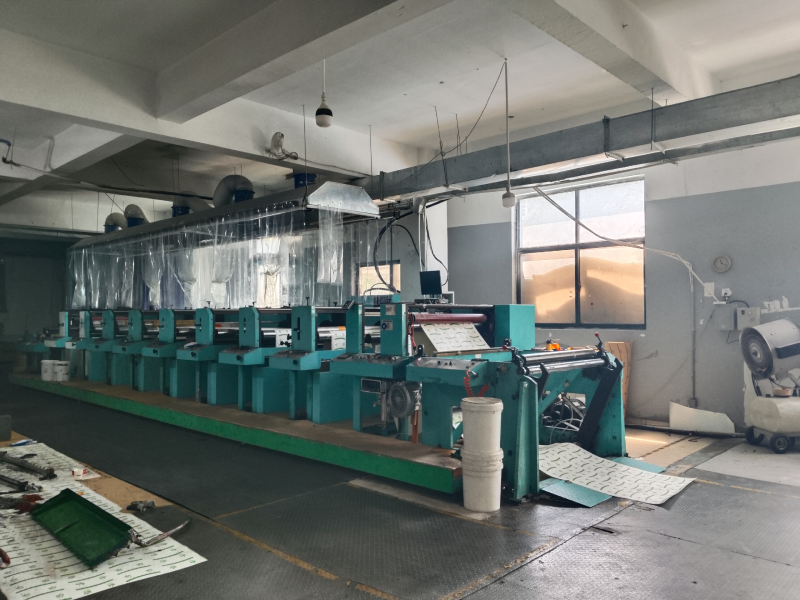
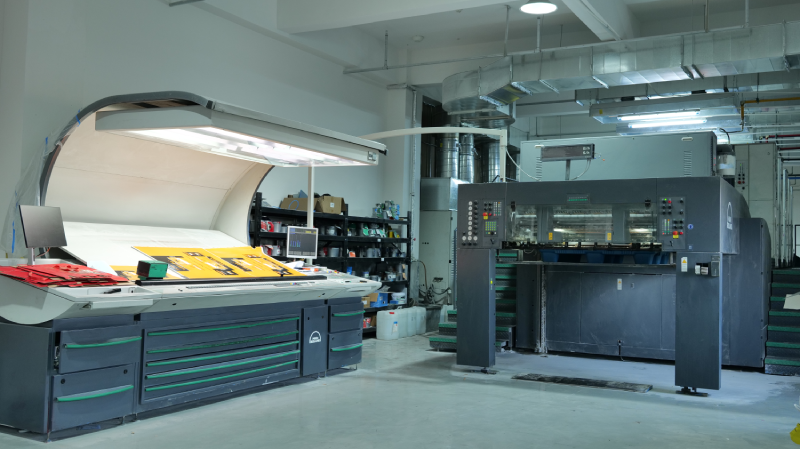
Branding, logos, and design consistency are important for chain restaurants and distributors.
Bulk Supply & Logistics
Packaging should be easy to stack, pack, and ship in large volumes.
Final Thoughts
French fries boxes are simple only at first glance.
Once you understand structure, the differences become obvious—and necessary.
Choosing the right format starts with knowing what each design is meant to do.
That knowledge saves time, cost, and a lot of unnecessary back-and-forth later.
Looking for a Reliable Paper Food Packaging Manufacturer?
We manufacture high-quality disposable paper cup and food packaging, including paper cups, paper bowls, takeaway boxes, food containers, and paper bags.As a factory with a full production line, we support wholesale custom printing for bulk paper packaging orders.
→ Explore Our Custom Paper Packaging Solutions
→ Contact Us for Samples, Specifications & OEM Support
Let our team help you choose the right paper packaging solution for your product, market, and logistics requirements.