Introduction
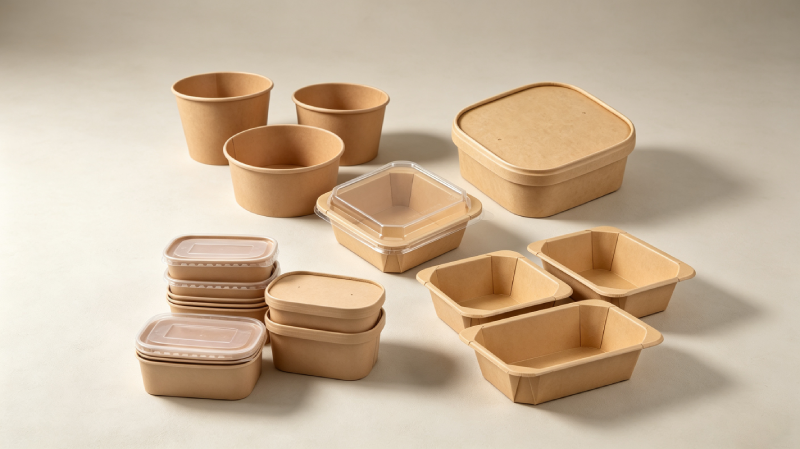
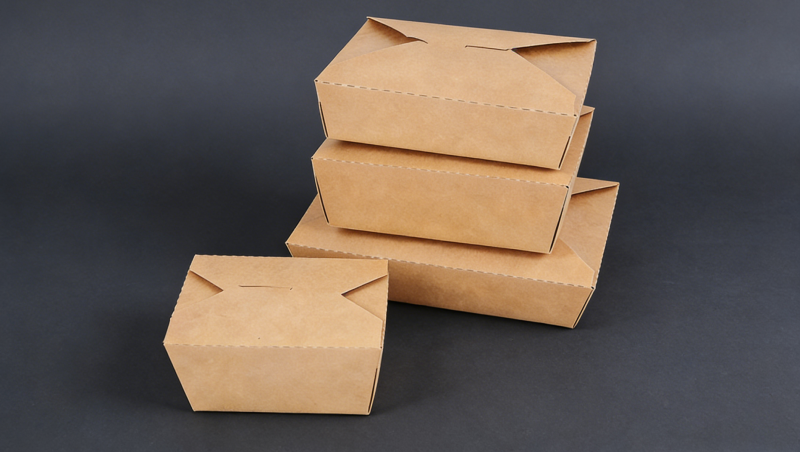
Every day, millions of takeout food boxes leave restaurants and arrive at doorsteps.
Most buyers only see the finished box.
Flat. Brown. Folded. Disposable.
But when I look at a takeout box, I see a manufacturing decision chain.
Paper choice.
Coating type.
Printing method.
Cutting accuracy.
And whether that box will survive hot food, oil, transport, and regulations.
If you are sourcing paper takeout boxes, understanding how they are made is not curiosity.
It is risk control.
In short: a takeout food box is not “just paper.” It is a engineered food-contact product built through multiple controlled steps.
Once you understand those steps, supplier conversations become easier.
And mistakes become far more expensive—for the wrong factory, not for you.
Step 1: Choosing the Right Paperboard (This Is Where Quality Starts)
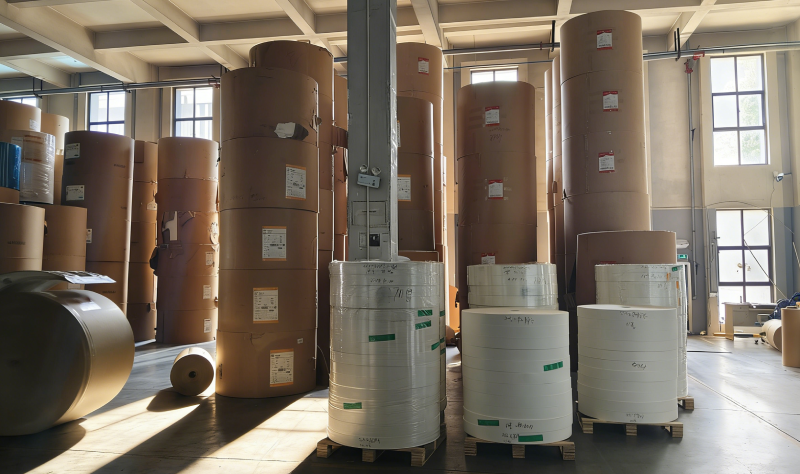
Everything begins with paperboard selection.
Not all paper is suitable for food contact.
And not all “food-grade” paper performs the same.
For takeout boxes, we usually work with virgin kraft paperboard or high-purity white paperboard.
Fiber consistency matters.
So does stiffness.
So does smell.
Low-grade recycled fibers may save cost, but they introduce instability.
Warping.
Weak folds.
Unexpected odor when hot food hits the surface.
This is why paper sourcing is never an afterthought.
It defines box strength long before cutting or folding ever happens.
Step 2: Adding the Functional Coating (Oil and Heat Are Not Optional)
A takeout box without coating is a short-lived box.
Hot food contains moisture, oil, and steam.
Paper alone cannot handle that.
This is where functional coatings come in.
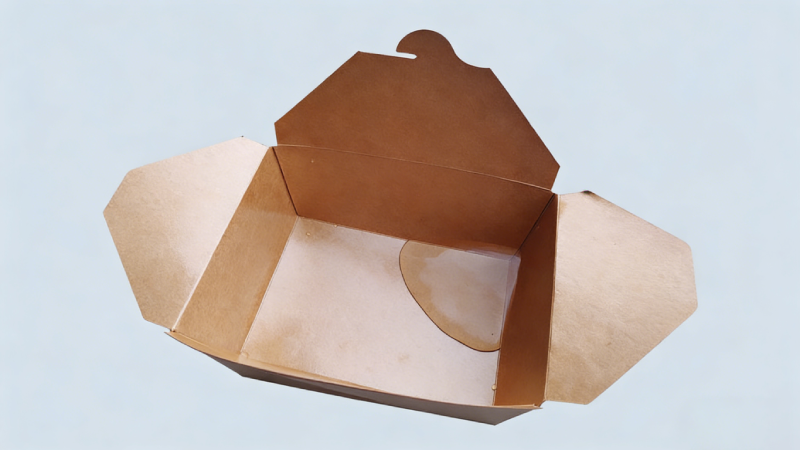
Most commonly, water-based or bio-based barrier coatings are applied to the paper surface.
Their role is simple.
Block oil penetration.
Reduce moisture absorption.
Maintain rigidity under heat.
The coating layer must be thin and uniform.
Too thin, and grease leaks.
Too thick, and folding becomes unstable.
From a manufacturing perspective, coating control is a technical threshold.
Factories without stable coating lines usually outsource this step.
That introduces inconsistency.
When buyers ask why two boxes “look the same” but perform differently, this step is usually the answer.
Step 3: Printing the Box (Brand Visibility Without Compromising Safety)
Printing is where marketing meets manufacturing reality.
And mistakes here are expensive.
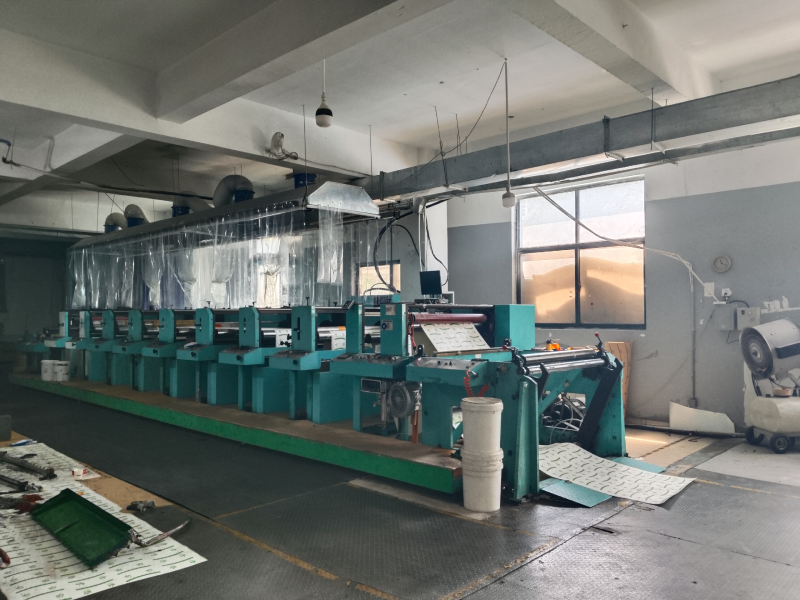
For takeout food boxes, flexographic printing is the most common method.
It handles large volumes.
It uses food-contact-safe inks.
It works well on coated paperboard.
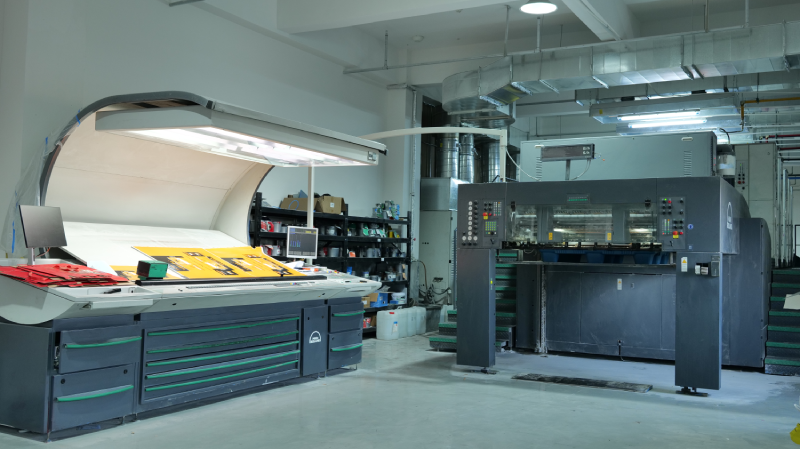
Offset printing can be used for higher visual demands.
But ink selection becomes more sensitive.
Drying time matters.
Migration risk must be controlled.
From a factory standpoint, printing is not about color alone.
It is about registration accuracy.
Ink adhesion on coated surfaces.
And consistency across batches.
A beautiful box that fails food contact compliance is not branding.
It is liability.
Step 4: Die Cutting (Precision Decides Everything Later)
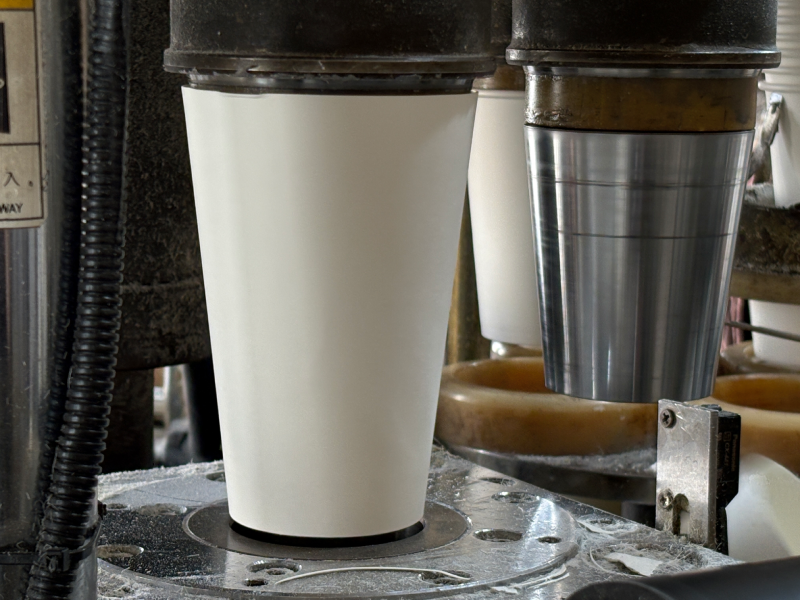
Once printed, the paperboard moves to die cutting.
This is where flat sheets become box shapes.
Cutting lines must be sharp.
Crease depth must be consistent.
Locking structures must align perfectly.
A small deviation here creates big problems later.
Boxes that do not close properly.
Edges that crack.
Stacks that lean during transport.
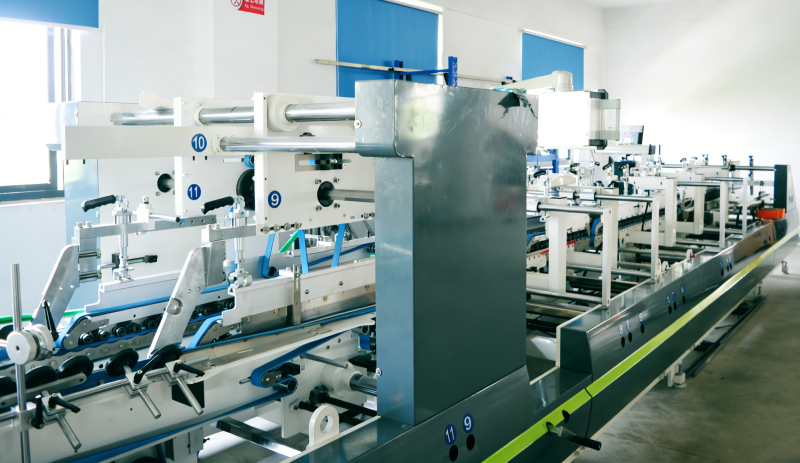
In high-volume production, automatic die-cutting machines are essential.
Manual setups introduce variation.
Variation increases complaints.
This is one of the easiest stages to underestimate—and one of the hardest to fix after shipment.
Step 5: Folding and Pre-Forming (Efficiency for Restaurants)
Many takeout boxes are delivered flat.
Some are pre-formed.
Both formats require controlled folding.
Folding lines must follow the paper grain direction.
Otherwise, cracks appear after heating.
Or the box pops open during use.
From a buyer’s perspective, folding quality affects restaurant efficiency.
Boxes that open smoothly save seconds.
Seconds add up during peak hours.
Factories that understand end use design boxes differently from those that only focus on output volume.
Step 6: Quality Inspection (This Is Where Compliance Lives)
Quality control is not a single step.
It is a system.
Paper weight checks.
Coating uniformity tests.
Print adhesion inspections.
Random folding trials.
For food-contact packaging, documentation matters as much as the product.
Material declarations.
Ink compliance statements.
Migration test references.
This is the difference between “we can make it” and “we can ship it globally.”
Buyers often ask why inspection adds time.
The answer is simple.
Because recalls cost far more.
Step 7: Packing, Storage, and Shipment (The Last Silent Risk)
Even a perfect box can fail if packed incorrectly.
Compression matters.
Humidity matters.
Pallet stability matters.
Boxes must stay flat.
Edges must remain crisp.
Moisture must be controlled.
This is why export-ready packaging is not optional.
It protects the work done in every step before.
Final Thoughts
A takeout food box looks simple because the work behind it is done right.
When every step is controlled, the product disappears into the workflow.
Understanding how a box is made makes sourcing easier.
And good sourcing always starts with clarity.
Looking for a Reliable Paper Food Packaging Manufacturer?
We manufacture high-quality disposable paper cup and food packaging, including paper cups, paper bowls, takeaway boxes, food containers, and paper bags.As a factory with a full production line, we support wholesale custom printing for bulk paper packaging orders.
→ Explore Our Custom Paper Packaging Solutions
→ Contact Us for Samples, Specifications & OEM Support
Let our team help you choose the right paper packaging solution for your product, market, and logistics requirements.