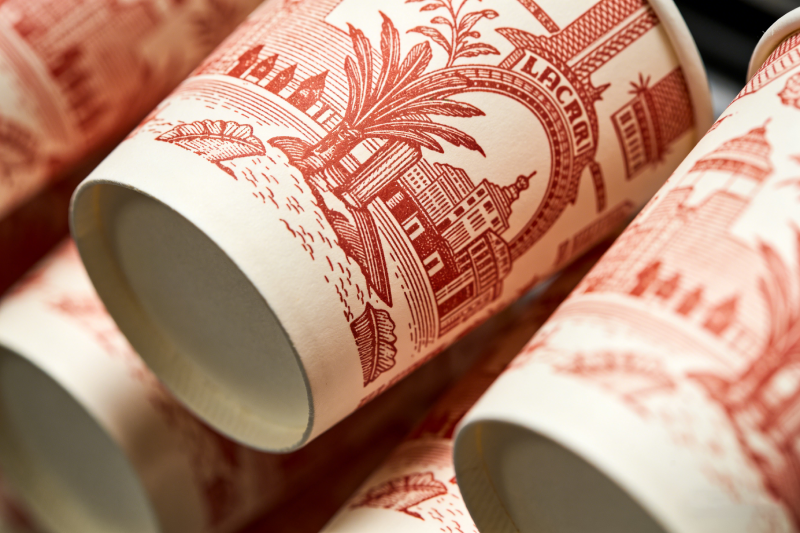
Printing plays a critical role in disposable paper cup manufacturing.
It affects brand visibility, unit cost, production efficiency, and final product quality.
For wholesale buyers and procurement managers, understanding different paper cup printing methods helps avoid mismatched expectations, cost overruns, and quality disputes.
This guide explains the most commonly used printing and finishing methods for disposable paper cups, from a manufacturer’s production perspective.
Why Printing Methods Matter in Paper Cup Manufacturing
Different printing methods result in differences in:
- Color accuracy and consistency
- Minimum order quantity (MOQ)
- Production speed
- Overall cost per unit
- Compatibility with food-grade requirements
There is no “best” printing method — only the right method for your order volume, design, and budget.
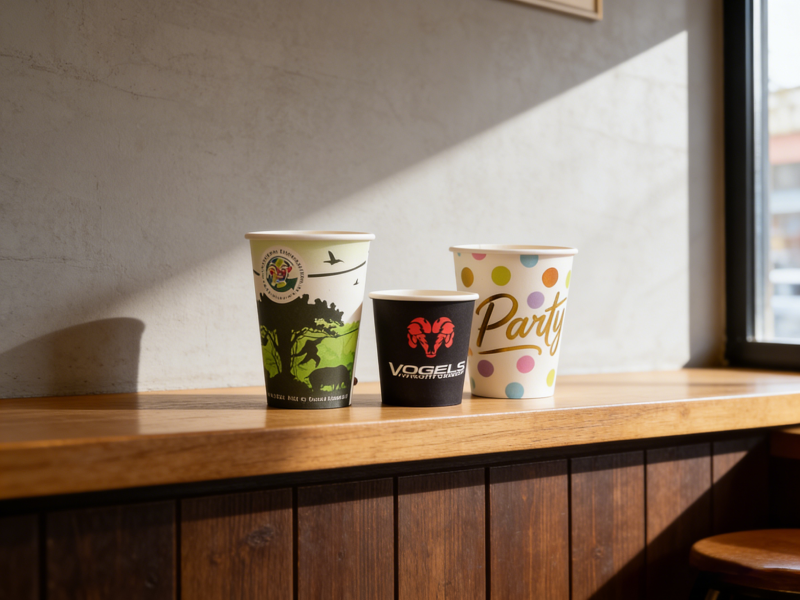
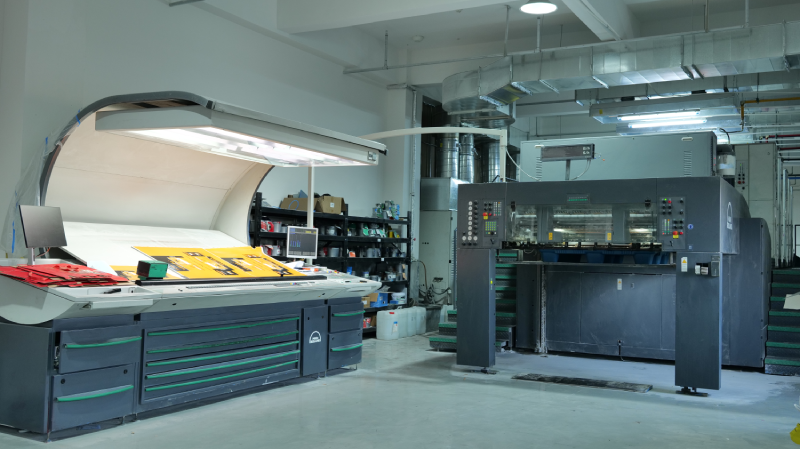
Offset Printing for Paper Cups
Offset printing is widely used for high-quality, full-color paper cup designs.
How Offset Printing Works
The image is transferred from a metal plate to a rubber blanket, then onto the paperboard surface.
Advantages
- Excellent color reproduction
- Suitable for complex graphics and gradients
- Stable print quality for medium to large orders
Limitations
- Higher setup cost
- Not ideal for very small quantities
Best for:
Branded disposable paper cups requiring detailed artwork and consistent color control.
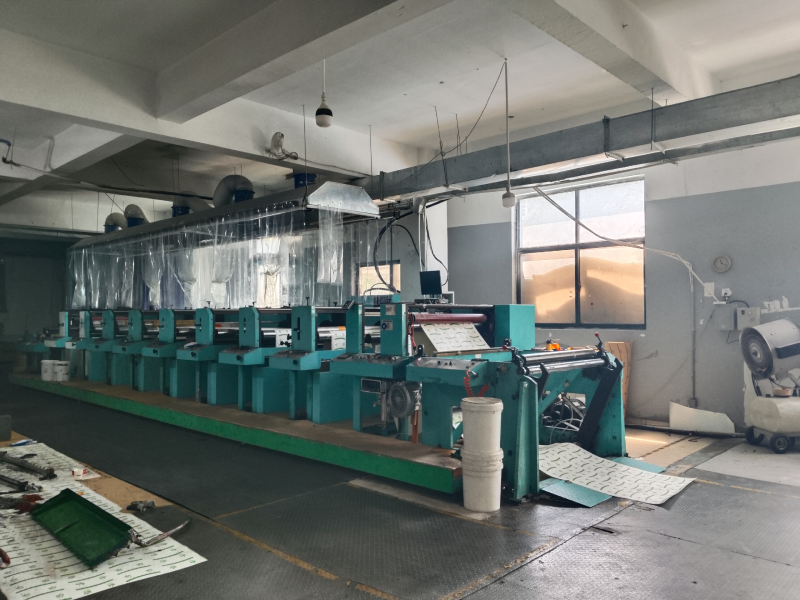
Flexographic Printing (Flexo Printing)
Flexographic printing is one of the most cost-effective printing methods in large-scale paper cup production.
Key Features
- Uses flexible printing plates
- Often combined with water-based inks
- High production speed
Advantages
- Lower cost for bulk orders
- Fast turnaround
- Environmentally friendly ink options
Limitations
- Slightly lower detail precision compared to offset printing
Best for:
Large-volume disposable paper cups with simple or repetitive designs.
Embossed & Debossed Printing (Surface Enhancement)
Embossing and debossing are post-printing finishing processes, not standalone printing methods.
What Is Embossed Printing?
Embossing creates raised patterns or logos on the cup surface, while debossing creates recessed textures.
Advantages
- Adds tactile branding
- Enhances perceived product value
- No ink required for the embossed area
Limitations
- Additional tooling cost
- Usually combined with offset or flexographic printing
Best for:
Premium paper cups, brand-focused marketing campaigns, and specialty beverage packaging.
UV Printing and UV Coating for Paper Cups
UV printing or UV coating is used to enhance visual impact and surface durability.
Key Characteristics
- Instant curing under UV light
- Glossy or matte finish options
- Selective (spot UV) or full-surface application
Advantages
- Improved scratch resistance
- Strong visual contrast
- Premium appearance
Limitations
- Higher cost
- Not required for standard bulk orders
Best for:
High-end custom printed paper cups and promotional products.
How to Choose the Right Paper Cup Printing Method
When selecting a printing solution, buyers should consider:
- Order quantity (MOQ)
- Design complexity and color requirements
- Target market positioning
- Budget and lead time
A manufacturer-led evaluation before mass production significantly reduces sourcing risks.
Manufacturer Insight: Combining Printing Methods
In real production scenarios, printing methods are often combined:
- Offset printing + embossing
- Flexographic printing + UV coating
This approach balances cost efficiency with brand presentation.
Frequently Asked Questions
Can embossed paper cups be food-safe?
Yes, when produced with food-grade materials and compliant processes.
Does UV printing affect recyclability or compostability?
UV coating may affect compostability claims and should be evaluated case by case.
Which printing method has the lowest cost per unit?
Flexographic printing is typically the most economical for large volumes.
Conclusion
Paper cup printing methods directly impact product performance, cost, and brand image.
Understanding the differences between offset printing, flexographic printing, embossed finishing, and UV coating allows buyers to make informed sourcing decisions.
In disposable packaging, printing is not decoration — it is a manufacturing decision.