The fastest way to lose trust in food packaging is invisible.
Ink smells.
Ink bleeding.
Ink migration you only discover after a customer complains.
I’ve seen buyers focus on paper thickness, coating type, and price per thousand units. Then the ink becomes an afterthought. That’s the problem. When ink selection goes wrong, no logo or sustainability story can save you.
The good news is this.
Food-safe inks are not complicated when you understand the rules.
In paper food packaging, soy-based inks and water-based inks are the two most practical, proven options—if they are used correctly.
Ink safety is not about buzzwords.
It’s about chemistry, contact conditions, and process control.
I’ll walk you through it. Calmly. Clearly. No fluff.
Why Keep Reading?
Because ink safety is one of the few decisions that affects compliance, brand reputation, and repeat orders at the same time.
Why Is Ink Safety a Real Issue in Paper Food Packaging?
Ink becomes risky when it migrates.
Migration happens when ink components move from printed surfaces into food.
This risk increases with:
- Heat
- Oil and grease
- Moisture
- Long contact time
Paper food packaging faces all four.
That’s why regulators focus less on “eco claims” and more on chemical composition and intended use.
Food safety authorities don’t care how green your brochure looks.
They care whether substances transfer into food.
What Makes an Ink “Food-Safe”?
There is no single magic label.
Food-safe ink means:
- The ink formulation is suitable for food packaging
- The printed side does not directly contact food, or
- Migration remains below regulated limits
In the U.S., this logic comes from FDA food contact regulations.
In the EU, it’s driven by framework regulations and national ordinances.
What Are Soy-Based Inks?
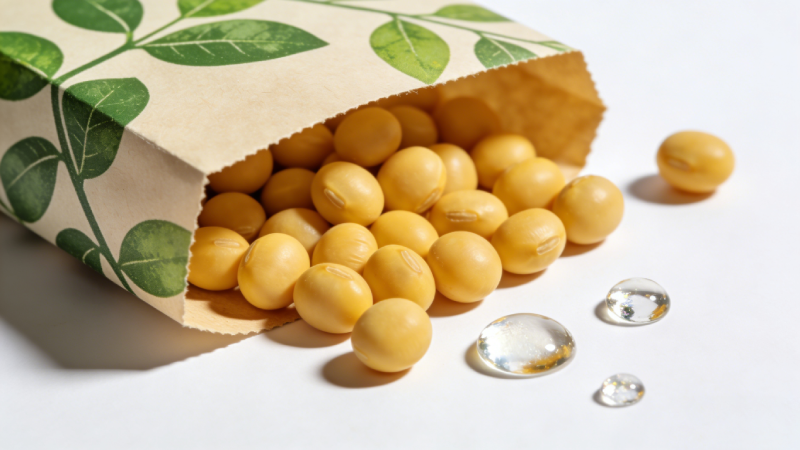
Soy-based inks use soybean oil as a renewable carrier instead of petroleum oil.
They are popular because:
- Lower VOC emissions
- Good color vibrancy
- Renewable raw material base
Soy ink does not automatically mean food-safe.
That’s an important sentence. Read it again.
Safety depends on:
- Pigments
- Additives
- Drying process
- Final application
When formulated correctly, soy-based inks work very well for outer printing on paper food packaging.
Strengths of Soy-Based Inks for Food Packaging
Soy inks perform well in:
- Logos
- Brand colors
- Large-area printing
They bond well with paperboard fibers.
They produce sharp graphics.
They support sustainability messaging without compromising print quality.
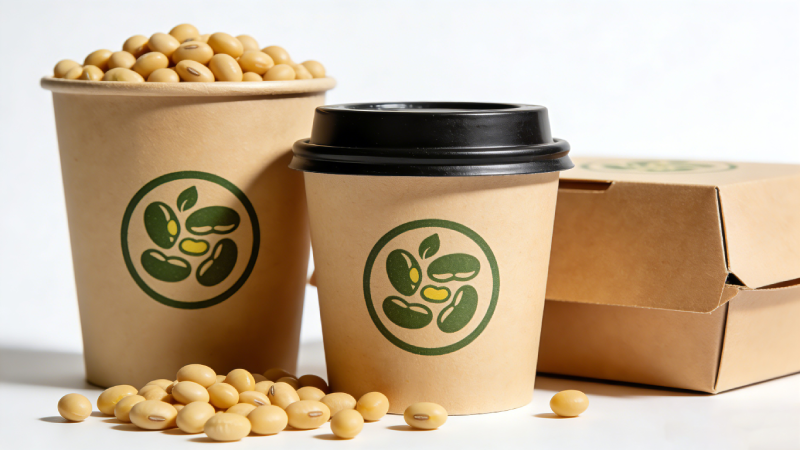
That’s why they’re commonly used on:
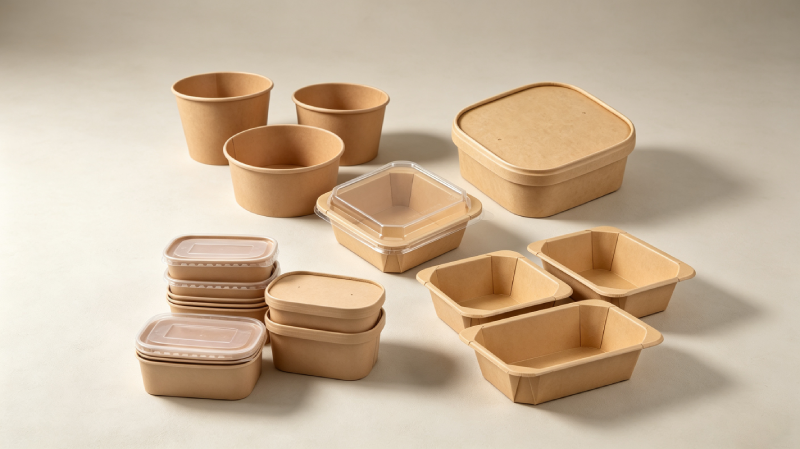
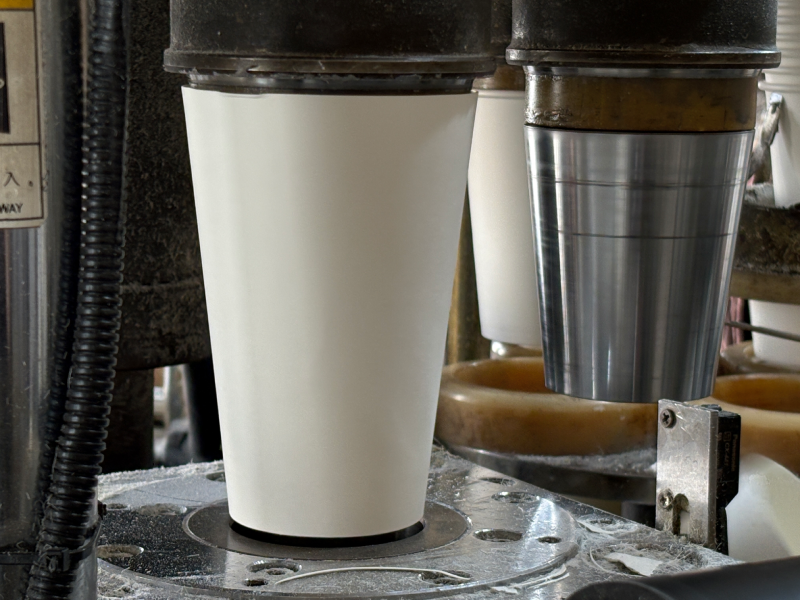
- Paper cups
- Takeout boxes
- Paper bags
Especially when combined with proper coatings and barriers.
Limitations of Soy-Based Inks
Soy ink dries slower than some petroleum-based systems.
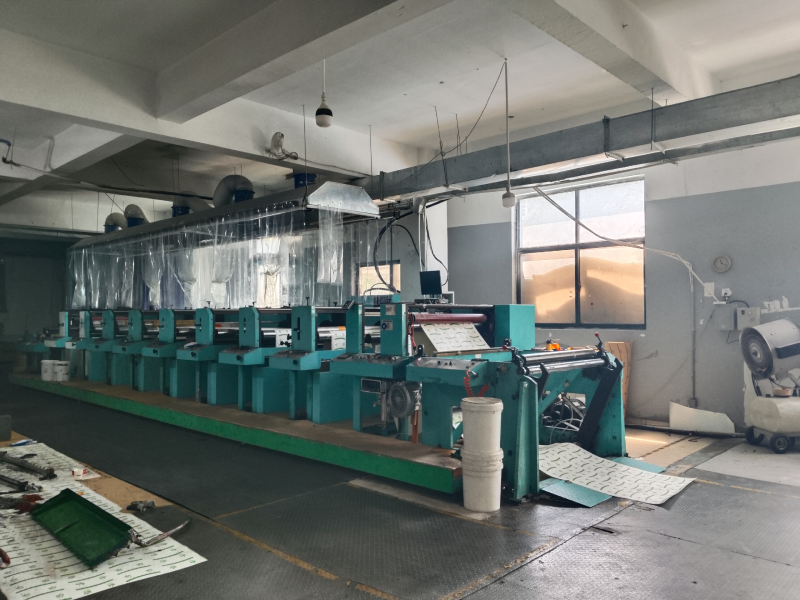
That affects production speed if the factory lacks proper drying control.
Soy ink is also not ideal for direct food contact zones.
That’s not a flaw.
That’s normal.
Smart packaging design keeps ink where it belongs.
What Are Water-Based Inks?
Water-based inks use water as the main solvent.
In food packaging, they are widely trusted because:
- Very low VOCs
- Minimal odor
- Strong regulatory acceptance
Water-based inks dominate food-contact-adjacent applications.
They are stable.
Predictable.
And easier to control from a safety standpoint.
Why Water-Based Inks Are the Industry Default
Water-based inks are excellent for:
- Inner surfaces near food
- Packaging exposed to heat or steam
- Grease-prone applications
They resist ink migration when properly cured.
That’s why many paper bowls, soup containers, and hot cup exteriors rely on water-based ink systems.
Soy Ink vs Water-Based Ink: A Practical Comparison
Safety:
Both are safe when properly formulated and applied.
Print Quality:
Soy ink offers richer colors.
Water-based ink offers cleaner control.
Cost:
Water-based inks are often more cost-stable at scale.
Use Case:
Soy ink shines in branding.
Water-based ink dominates performance-critical zones.
This is not a competition.
It’s a toolkit.
Matching Ink Choice to Product Categories
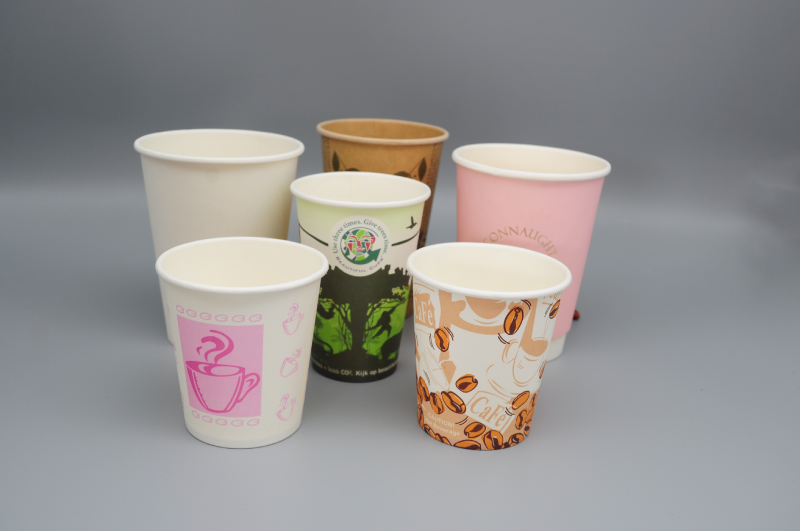
For paper cups, soy-based inks work well on the outer wall.
Water-based inks are preferred near rims or high-heat zones.
For takeout boxes, both systems work depending on grease exposure.
For paper bowls, water-based inks offer better moisture resistance.
For paper bags and wraps, soy inks balance branding and sustainability.
Ink choice follows function.
Always.
Common Questions About Food-Safe Inks
Are soy-based inks compostable?
The ink alone does not determine compostability.
The full packaging structure matters.
Do water-based inks wash off?
No. Properly cured water-based inks are durable.
Can ink affect taste or smell?
Poor-quality inks can.
Proper formulations prevent this.
Are certifications required?
Ink compliance supports packaging compliance.
Documentation matters.
Is one ink safer than the other?
Both are safe when used correctly.
Does price reflect safety?
No. Process control does.
More Related Questions
Ink safety is not solved by slogans.
It’s solved by:
- Material selection
- Process discipline
- Honest documentation
That’s where reliable suppliers make a difference.
Conclusion
Food-safe ink is not a mystery.
It’s a decision system.
When soy-based and water-based inks are applied with intent, paper food packaging stays safe, compliant, and visually sharp. That’s how trust is printed—quietly, correctly, and consistently.