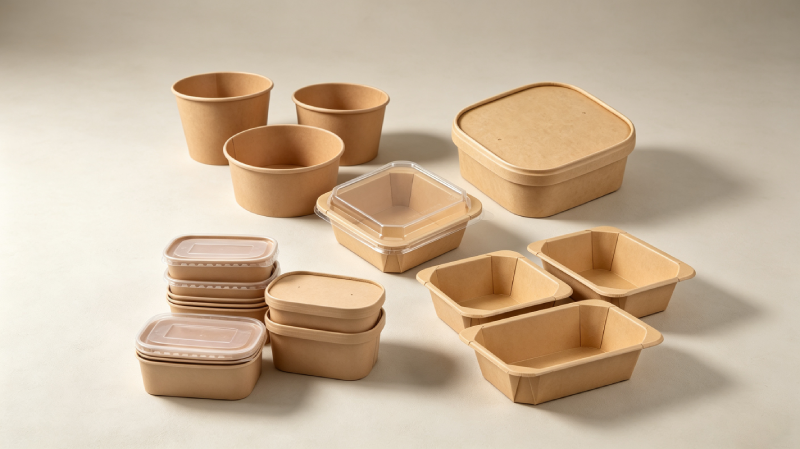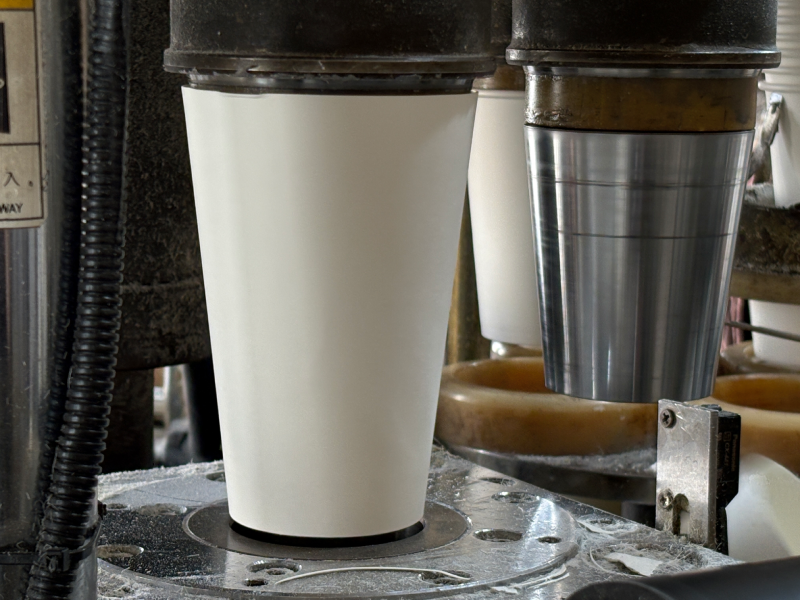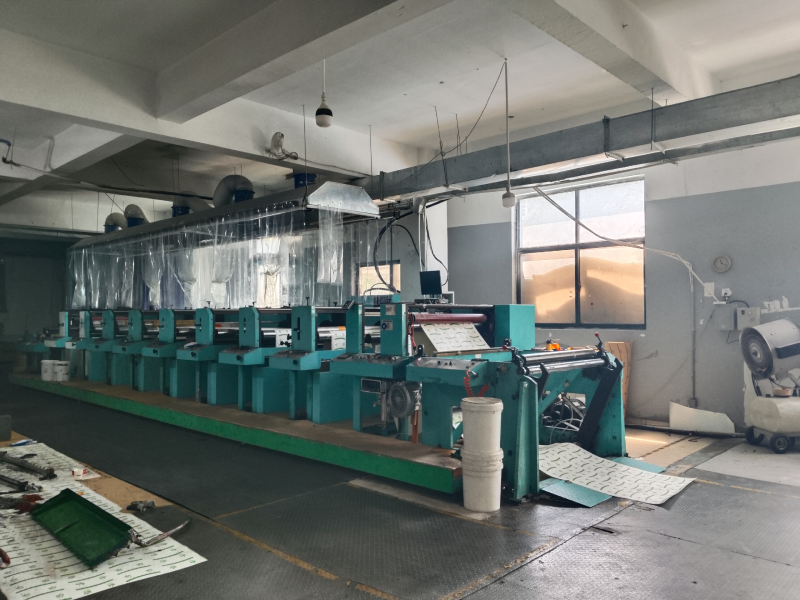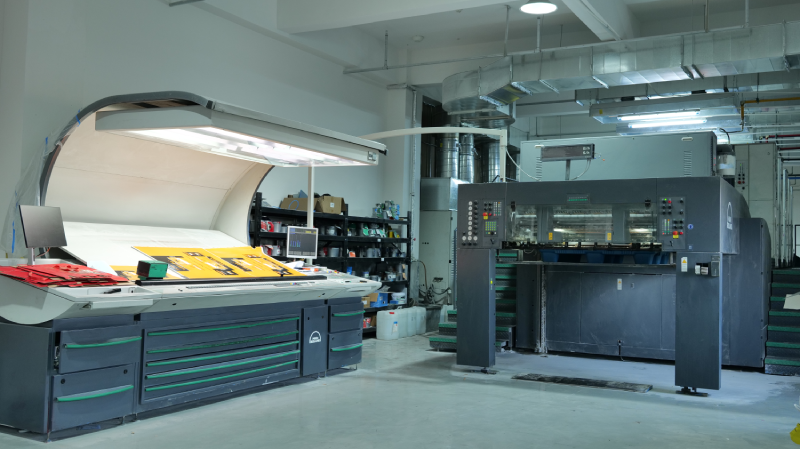
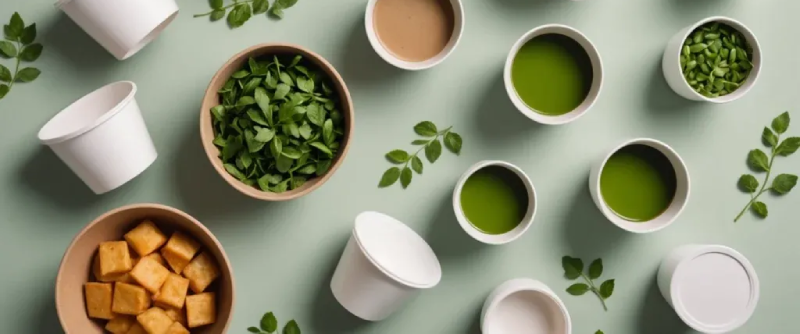
PLA has become one of the most frequently requested materials in food packaging.
It is promoted as sustainable, compostable, and future-ready.
At the same time, it is also one of the most misunderstood materials in our industry.
I see confusion again and again.
PLA is chosen for the wrong product.
It is used at the wrong temperature.
Then problems appear—soft cups, leaking seams, unstable lids.
This article is a knowledge-based PLA FAQ, written from the perspective of a packaging manufacturer with a full production line. No sales language. No trends. Only facts you can rely on.
PLA (Polylactic Acid) is a bio-based plastic made from renewable plant resources such as corn or sugarcane. It is industrially compostable under controlled conditions and widely used in cold beverage cups, lids, and selected paper food packaging. However, PLA has clear heat limits and disposal requirements that must be understood before use.
If you are sourcing paper cups, takeout boxes, soup bowls, or paper food containers, this guide will help you decide when PLA is a smart choice—and when it is not.
What Is PLA?
PLA stands for Polylactic Acid.
It is a thermoplastic polyester produced from fermented plant sugars.
Typical raw materials include:
- Corn starch
- Sugarcane
- Cassava (limited supply)
PLA is classified as a bio-based plastic, meaning its carbon source comes from renewable plants rather than fossil fuels.
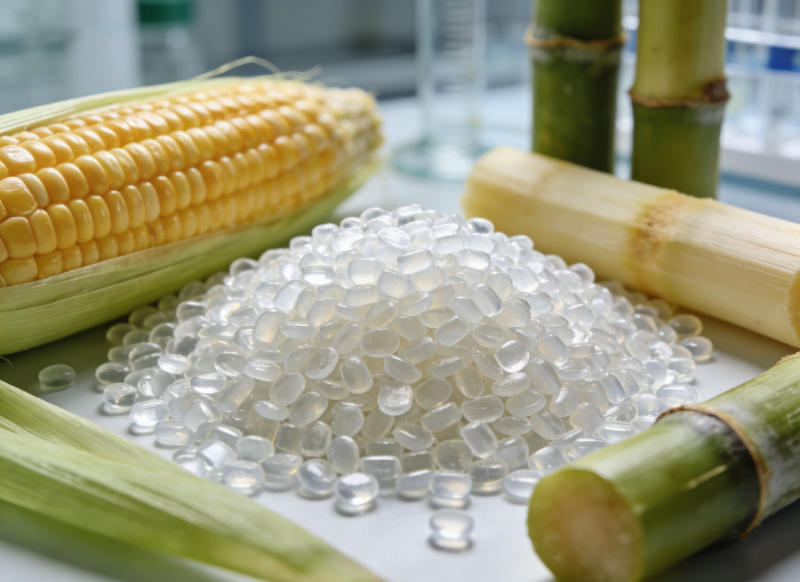
PLA visually resembles conventional plastic.
Functionally, it behaves very differently—especially under heat.
Is PLA Compostable or Biodegradable?
PLA is industrially compostable, not home-compostable.
To break down effectively, PLA requires:
- Sustained temperatures above 58°C
- High humidity
- Active microbial activity
These conditions exist only in industrial composting facilities.
Is PLA Safe for Food Contact?
Yes.
PLA is approved for food contact applications when manufactured correctly.
PLA is:
- Odor neutral
- Taste neutral
- Non-toxic
Food safety is not the limiting factor.
Thermal performance is.
Can PLA-Coated Paper Cups Be Used for Hot Coffee?
PLA-coated paper cups are commonly used for hot coffee in real commercial applications.
In this structure, the paperboard provides the cup’s strength and rigidity, while the PLA layer serves as a thin inner coating to prevent leakage and improve liquid resistance. The coating itself does not bear structural load.
Hot coffee is typically filled at temperatures between 85–95°C. Within this range, a properly manufactured PLA-coated paper cup can safely hold hot beverages for standard takeaway and on-site consumption scenarios.
PLA-coated paper cups are suitable for normal hot drink serving times, such as coffee shops, cafés, and quick-service restaurants. However, they are not intended for prolonged heat exposure, reheating, or extended storage of hot liquids.
When evaluated and applied correctly, PLA-coated paper cups meet both functional and compliance requirements for hot coffee service.

Where PLA Performs Best in Paper Food Packaging?
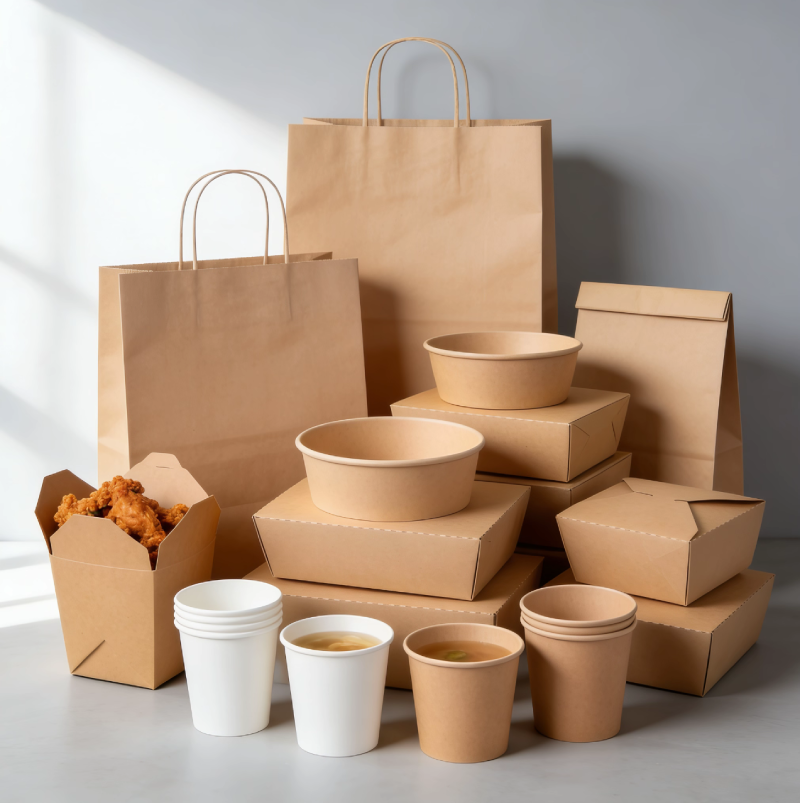
Based on production testing and market feedback, PLA performs best in:
- Cold drink paper cups
- Ice cream cups
- Salad boxes
- paper bowls
- takeaway containers
Where PLA Is Not Recommended?
PLA should be avoided for:
- Hot coffee cups without insulation
- Long-hold soup containers
- High-oil hot foods
- Long-distance deliver
In these scenarios, PLA may fail gradually and unpredictably.
Material limits must match real-world use.
PLA vs PE vs Water-Based Coatings
A practical comparison:
| Feature | PLA | PE | Water-Based |
| Heat resistance | Medium | High | Medium |
| Oil resistance | Medium | High | Medium |
| Compostability | Industrial only | No | Depends |
| Market maturity | Medium | High | Emerging |
Each coating serves a specific purpose.
There is no universal solution.
Common Misunderstandings About PLA
Some frequent misconceptions:
- PLA works for all foods. → Incorrect
- PLA composts naturally. → Incorrect
- PLA replaces plastic entirely. → Not yet
- PLA always reduces environmental impact. → Depends on disposal
PLA is engineered material.
It must be used deliberately.
Understanding these limits is part of professional sourcing.
PLA FAQ – Quick Answers
Is PLA recyclable?
PLA (Polylactic Acid) is technically recyclable and compostable; it needs specialized industrial composting facilities or mechanical recycling.
Is PLA microwave safe?
Generally no.
Does PLA affect food taste?
No, when produced correctly.
Is PLA more expensive than PE?
Yes, due to raw material and certification costs.
Is PLA accepted in the US and EU?
Yes, with proper compliance documentation.
Conclusion
For buyers sourcing paper cups or food containers with PLA coatings, material selection should always be confirmed based on product use, temperature, logistics, and local compliance requirements.
As a manufacturer with a full production line, we support material evaluation, sampling, and customization before mass production to reduce sourcing risk.